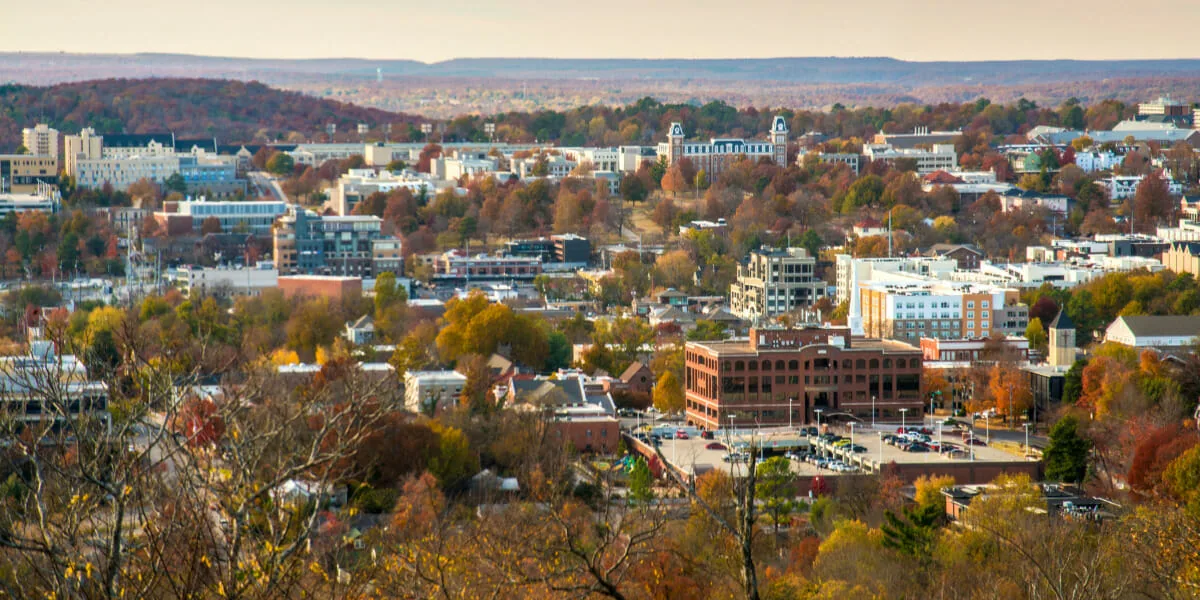
Roof Damage Repair in Fayetteville, AR

Commercial roof damage repair in Fayetteville, AR: hail, wind, tornado, ponding, seam and flashing failures, sorted by cost of waiting and timing.

Damage rarely announces itself on the day it happens. A hail line crosses Fayetteville, AR, on a Tuesday evening, the roof looks fine from the lot, and the stain shows up in a tenant's ceiling two storms later. The type of damage decides the repair, and the repair decides the budget. We sort each problem by what it costs to wait: a split seam with no water behind it now can mean wet insulation by summer, while a worn coating can often hold for another season.

Storm damage: hail, wind and tornado

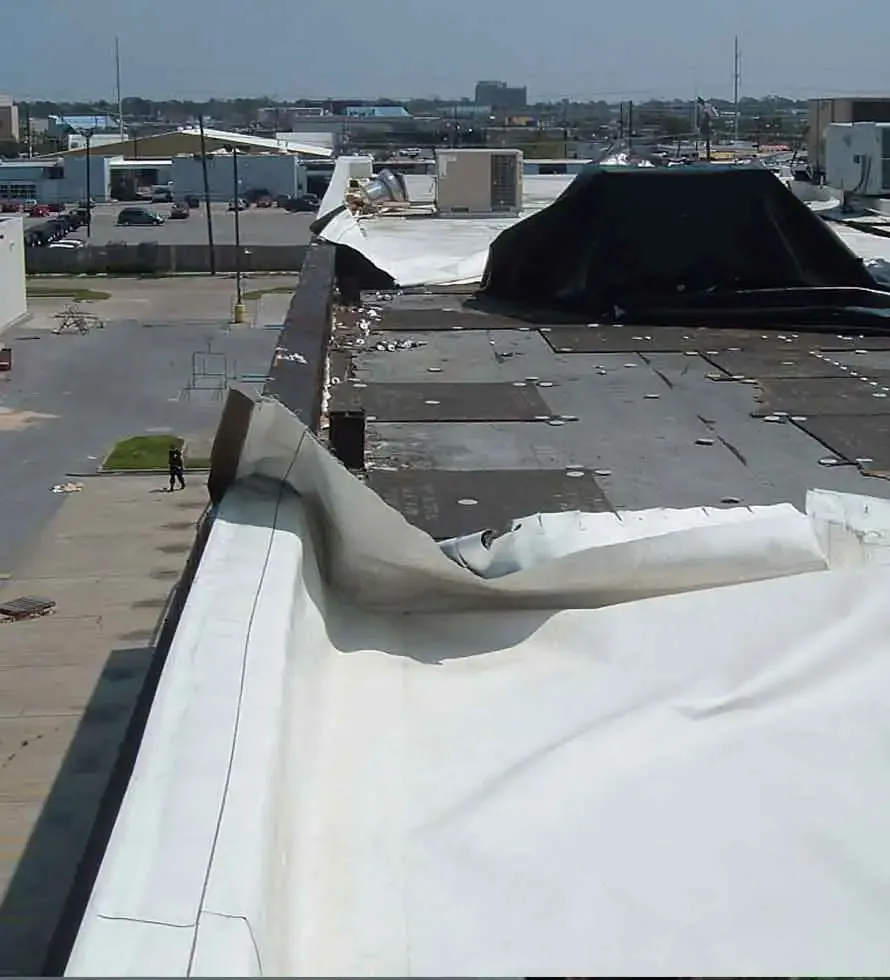
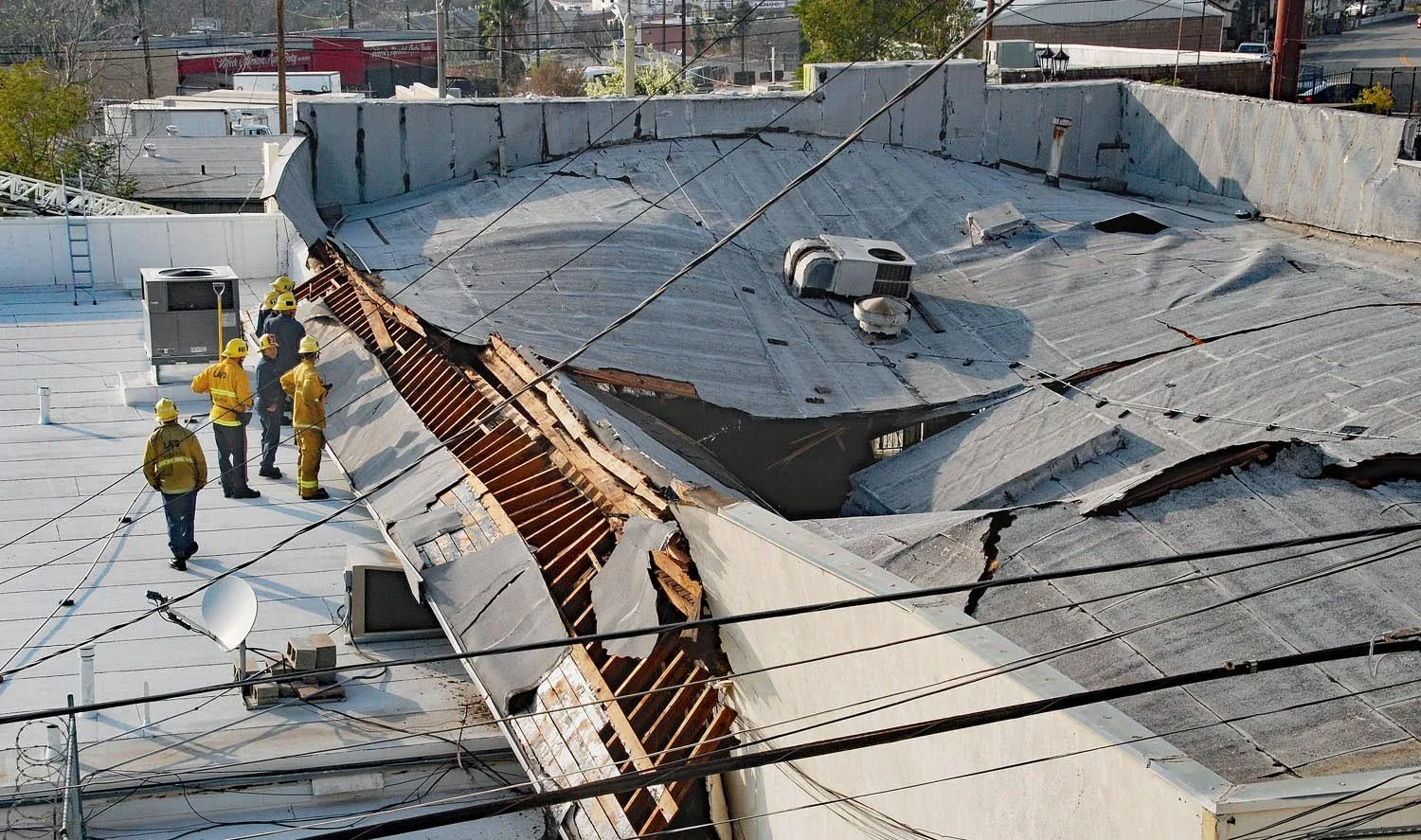
Northwest Arkansas takes all three. Hail up to 3.00 inches turned up in NWS Tulsa's May 2020 reports for the Fayetteville area, and Springdale's EF3 tornado of March 30, 2022 left a large metal building in ruins by Highway 412. Hail damage repair, wind damage repair and tornado damage repair each start with a safe dry-in and a full photographic record for the adjuster.

Roof Damage Repair in Fayetteville, AR

Water: ponding, flashing and seams

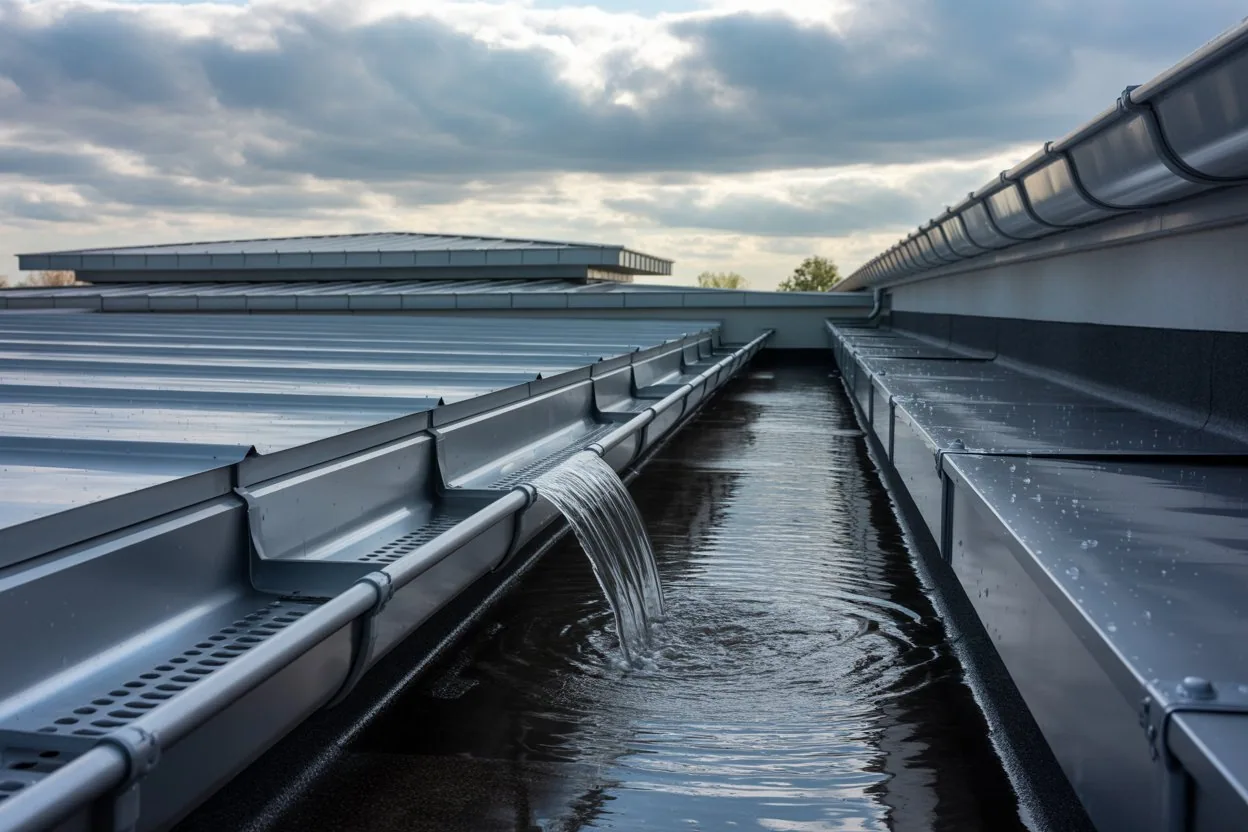
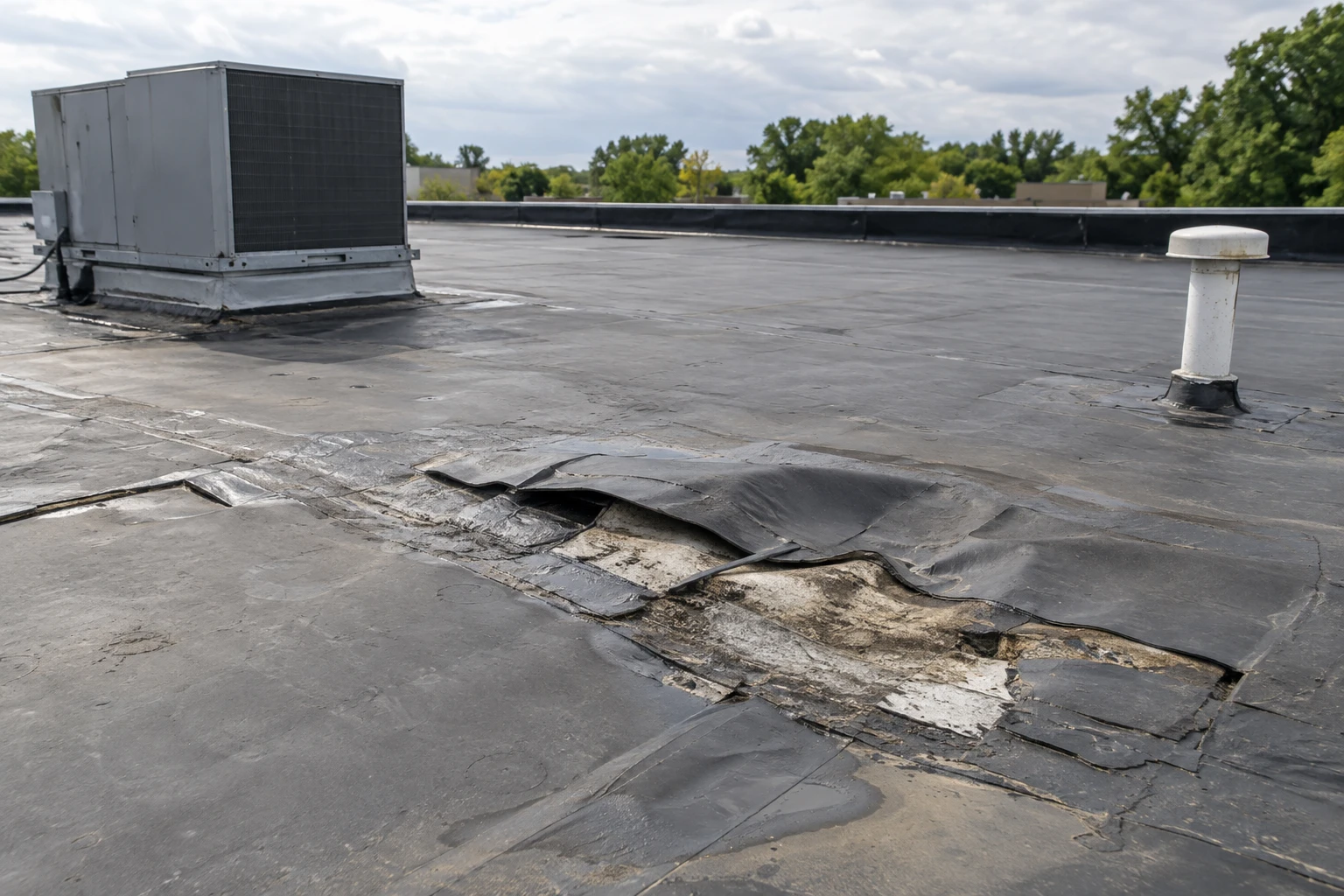
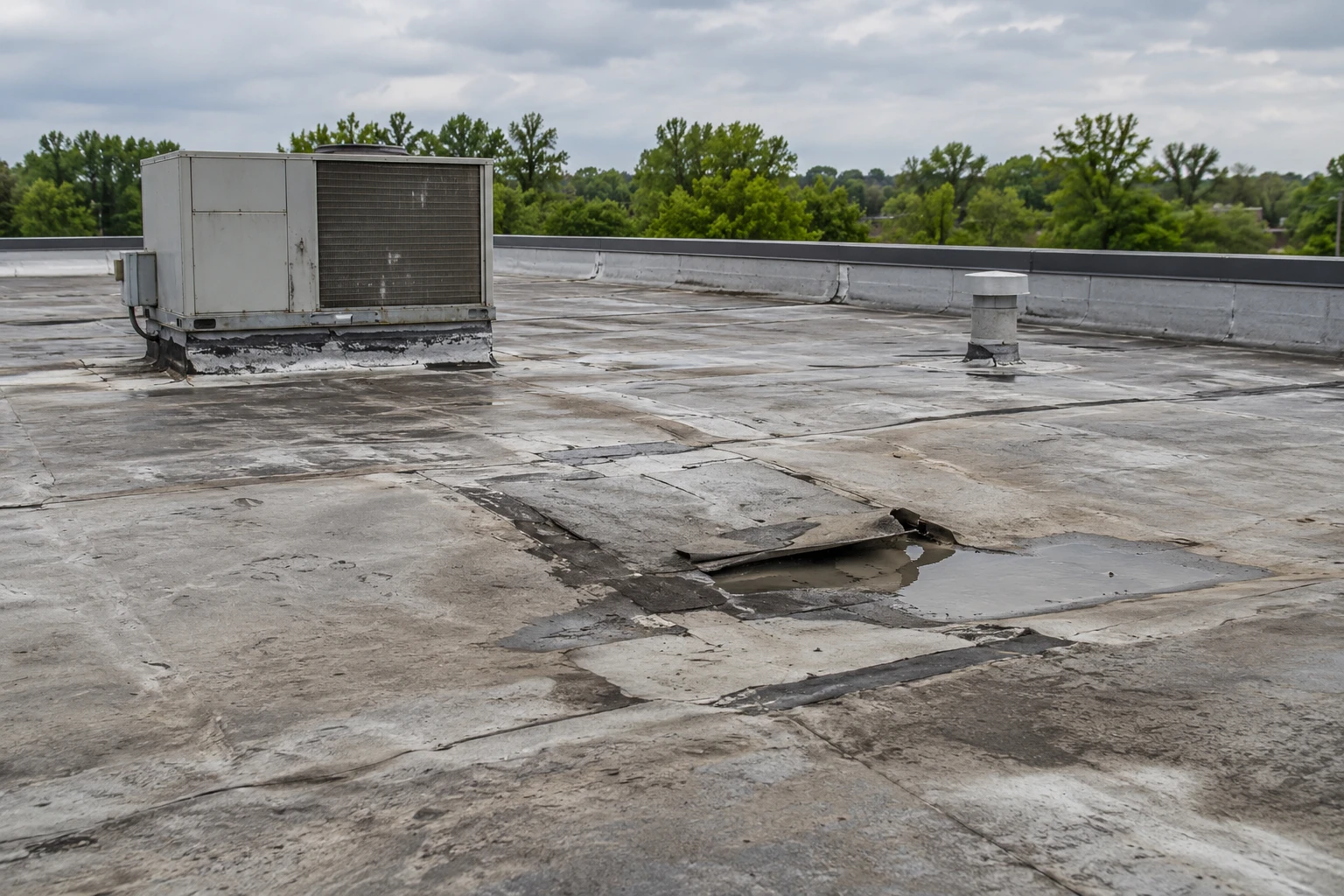
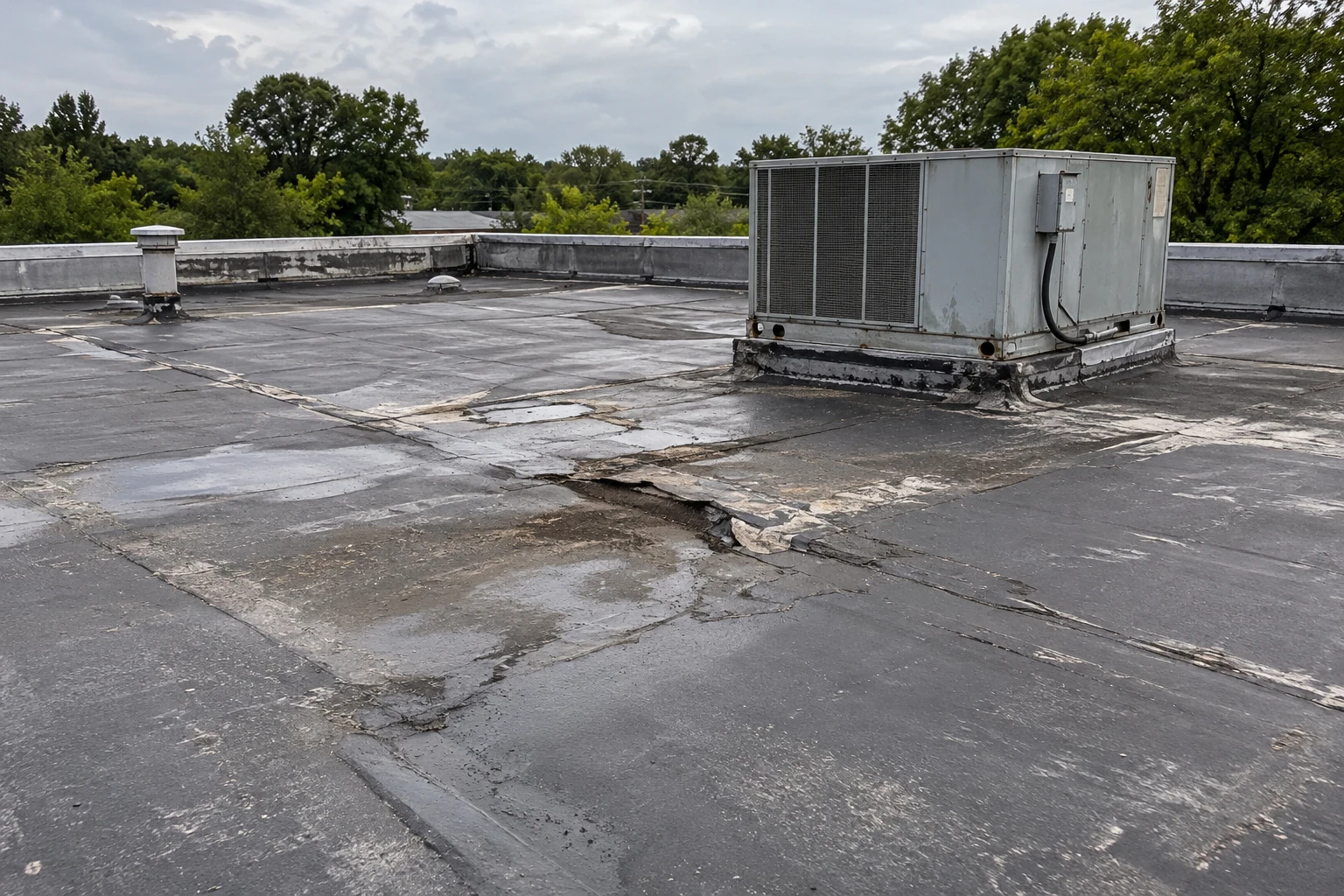
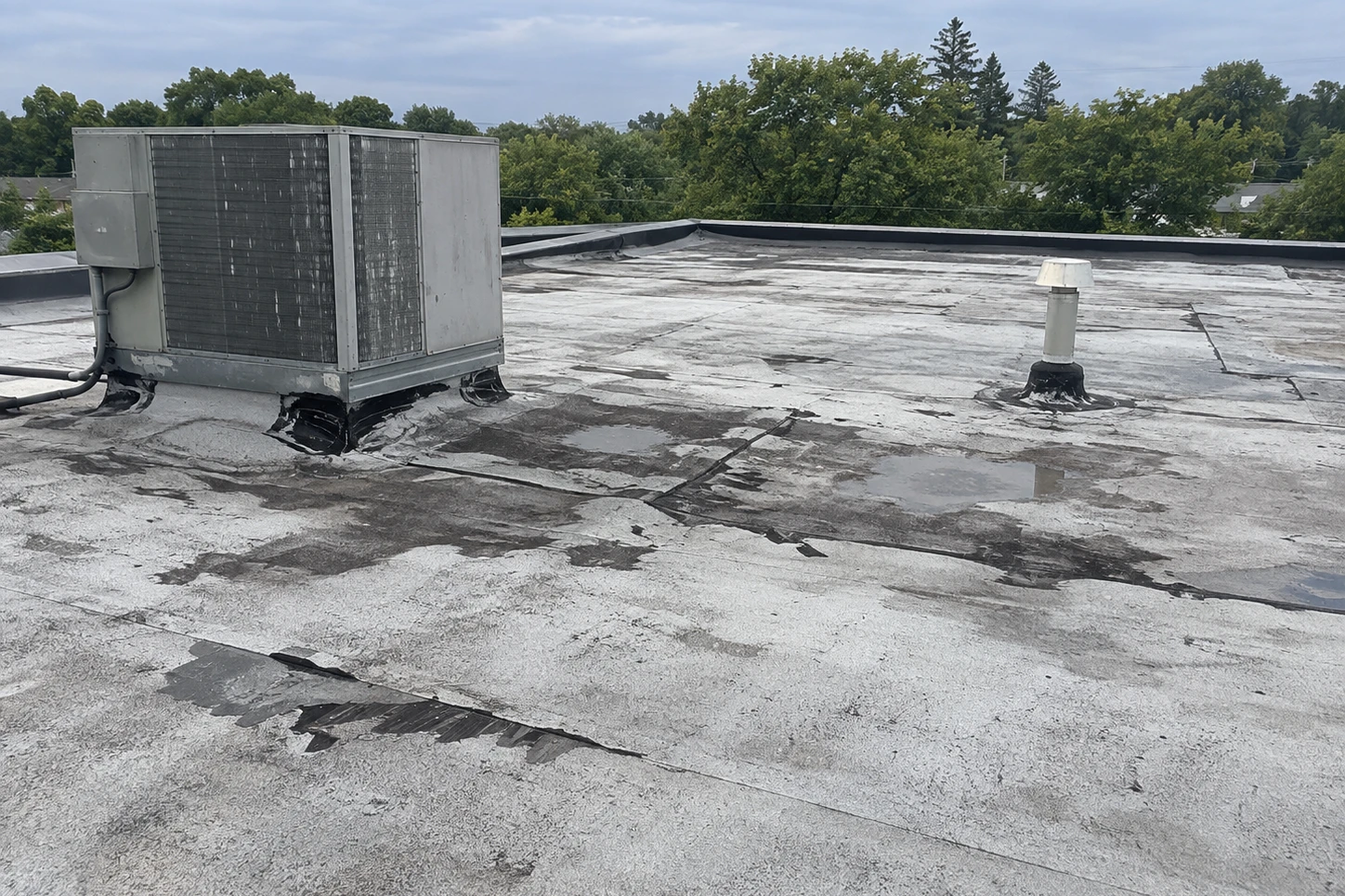
Most leaks are details. Ponding water roof repair corrects the low spots and drains that hold water for days, flashing failure repair reseals the joints at walls, curbs and edges, and seam failure repair reconnects laps that have opened. Drake Field averages 46.96 inches of precipitation, so any weak detail gets tested often.

Punctures and fire: when something hits the membrane

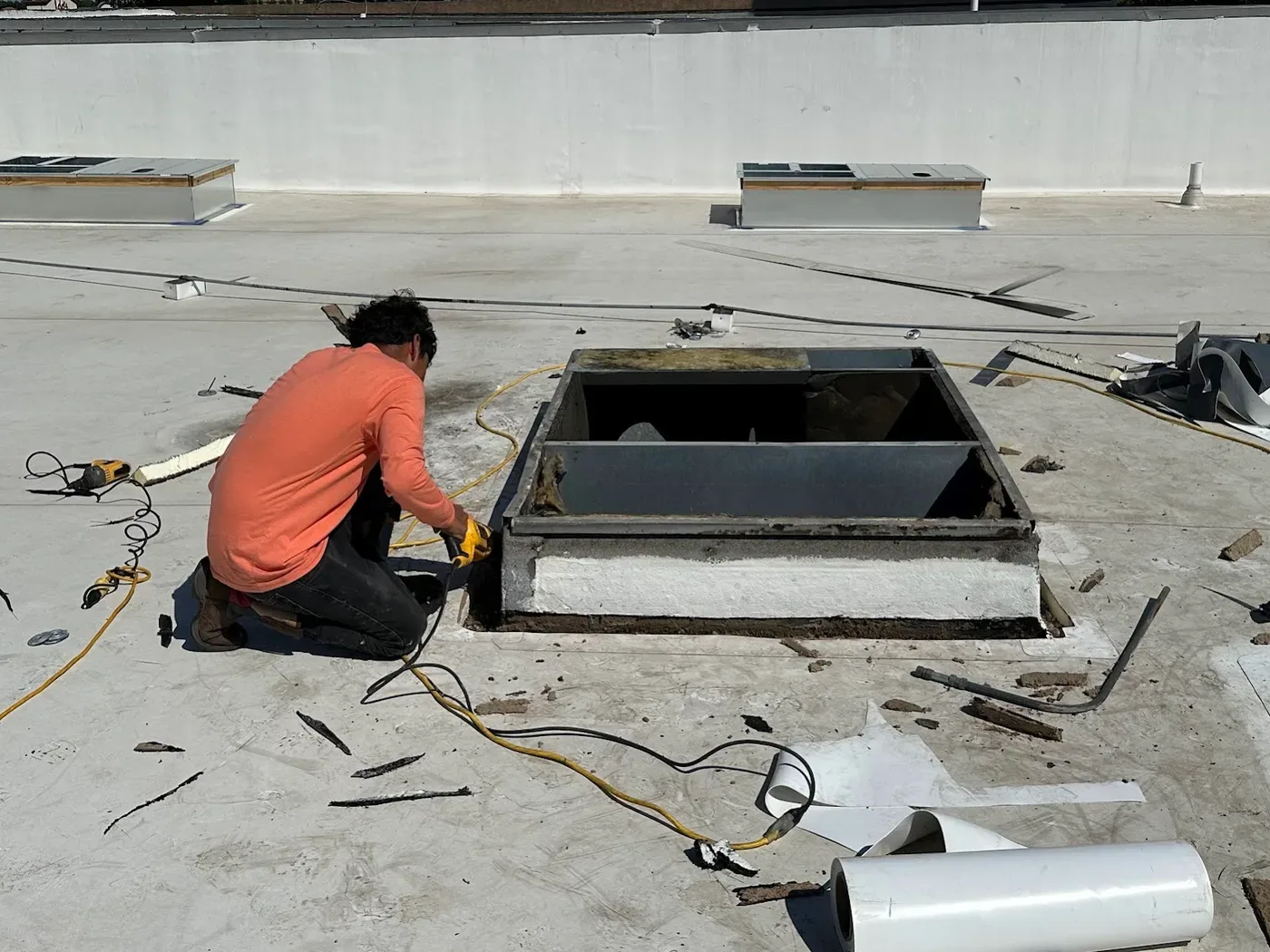
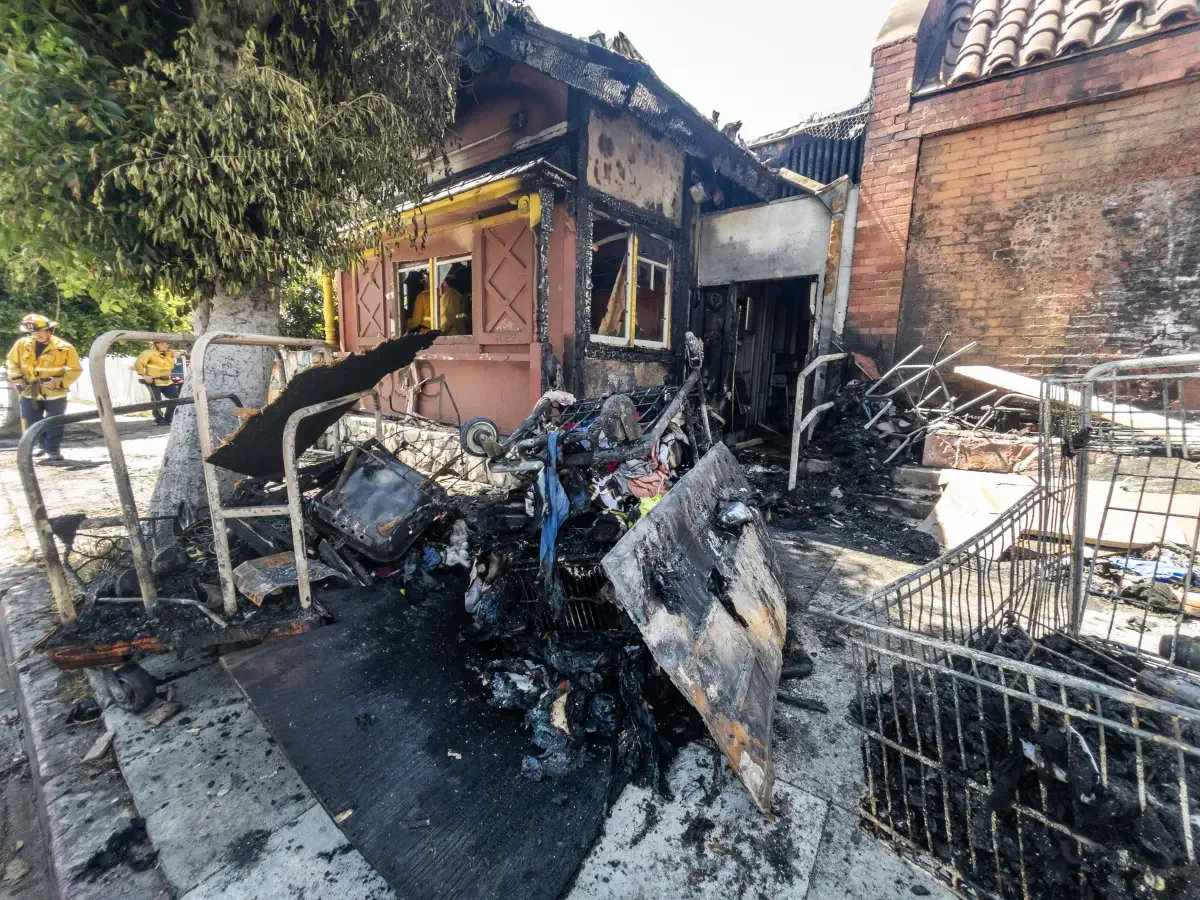
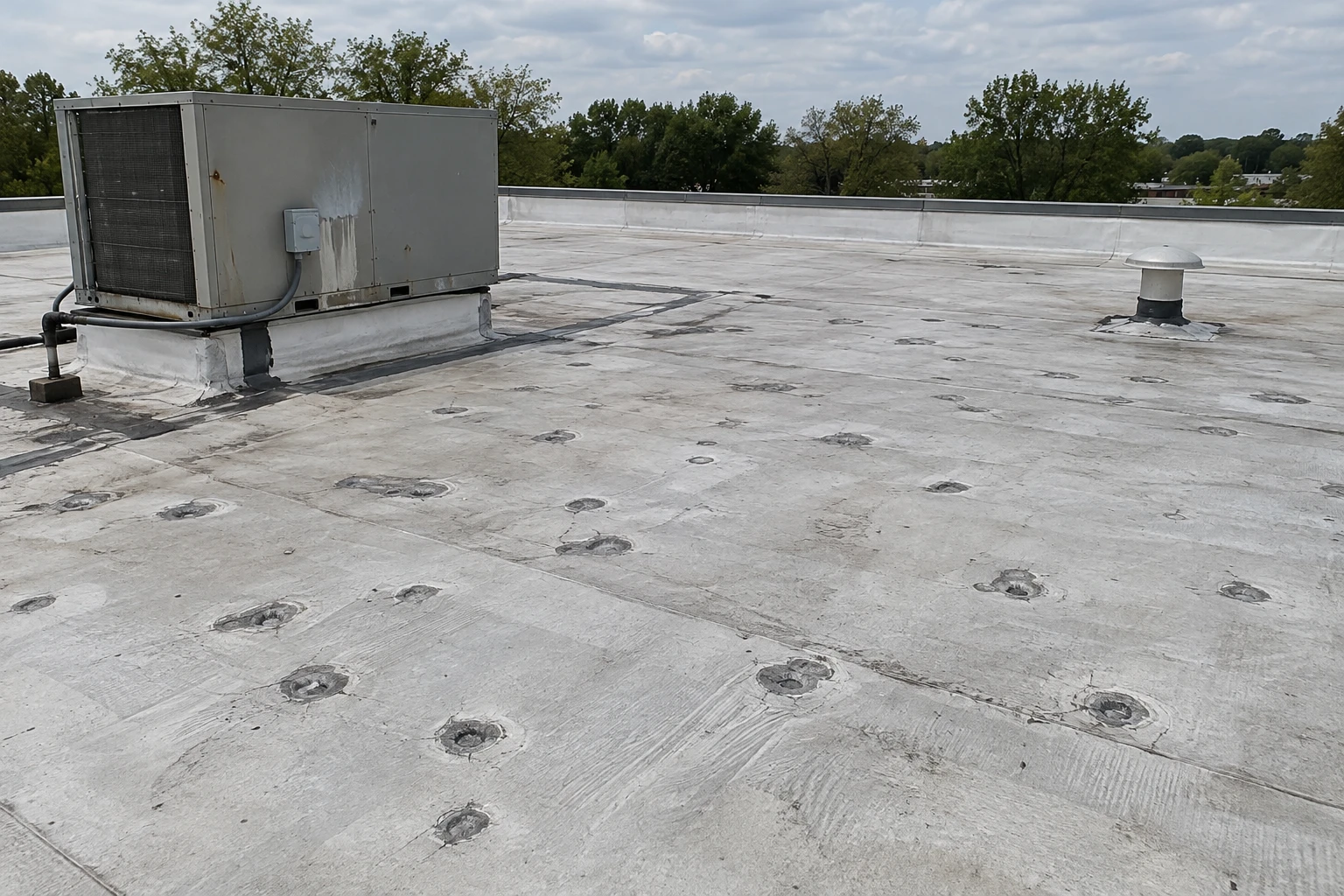
Foot traffic, dropped tools and debris puncture membranes, and membrane puncture repair patches the hole and checks the insulation below. After a blaze, fire damage roof repair assesses what the heat and water did to the deck, insulation and membrane, and what can stay.

Roof Damage Repair in Fayetteville, AR

Season: freeze-thaw, snow and summer heat

Fayetteville gets about 6.5 inches of snow in a year, and the February 2021 low reached minus 20 F. Snow and ice roof damage repair addresses cracks and displaced flashing from freeze-thaw weeks. With July highs that average 88.7 F and an all-time record of 111 F, heat and UV roof damage repair addresses cracking, chalking and shrinkage.

Triage: urgent, soon and later

Every finding goes into one of three groups, and the report states the group next to the photograph. Urgent items let water in now. Soon items will let water in with the next storm or the next freeze. Later items are wear that can be put on the capital line. The sorting keeps repair money going where it prevents the most damage.

Roof Damage Repair in Fayetteville, AR

Common Questions

How do I know if hail hurt a roof that is not leaking?

A field walk can show bruises, cracked coatings and displaced gravel before water appears. Dated photographs taken soon after the storm help the claim.

Is a patch enough after a puncture?

It is when the insulation below is dry. A moisture check tells us, and wet insulation under the hole gets cut out and replaced.

What should I capture right after a storm?

Photograph the stains and any visible damage, move valuables, and send us the address and roof age. Do not go on a wet roof.

Who pays for storm damage repair?

That depends on the policy and the findings. We supply the documentation, and the insurer and owner settle coverage.
Request a Roof Assessment in Fayetteville
Tell us about the building and what you are seeing on the roof.