Manufacturing Plant Roofing in Fayetteville, AR
Manufacturing plant roofing in Fayetteville, AR: process vents, exhaust, shift schedules and leak repair, recover and replacement for working plants.
A plant roof is a working surface. Exhaust stacks, make-up air units, process vents, roof drains and the odd cooling tower all sit on it, and every one of those is a place where the membrane meets something that moves, heats or drips. A leak over a production line is not a roofing problem for long. It is a safety problem, a quality problem and a schedule problem, and the property manager is asked how fast it can be fixed and what it will cost to put it off.
In Fayetteville, AR we inspect, repair, recover and replace plant roofs, and we plan around the shifts, not the other way around.
A plant also changes. A line is added, a wing is built, an old process is retired, and the roof keeps the scars: abandoned curbs, capped stacks, patched penetrations and drains that no longer match the floor below. Part of every first walk is making a map of what is up there now, since that map is the basis of every decision after it.
Roof types: what plants carry up top
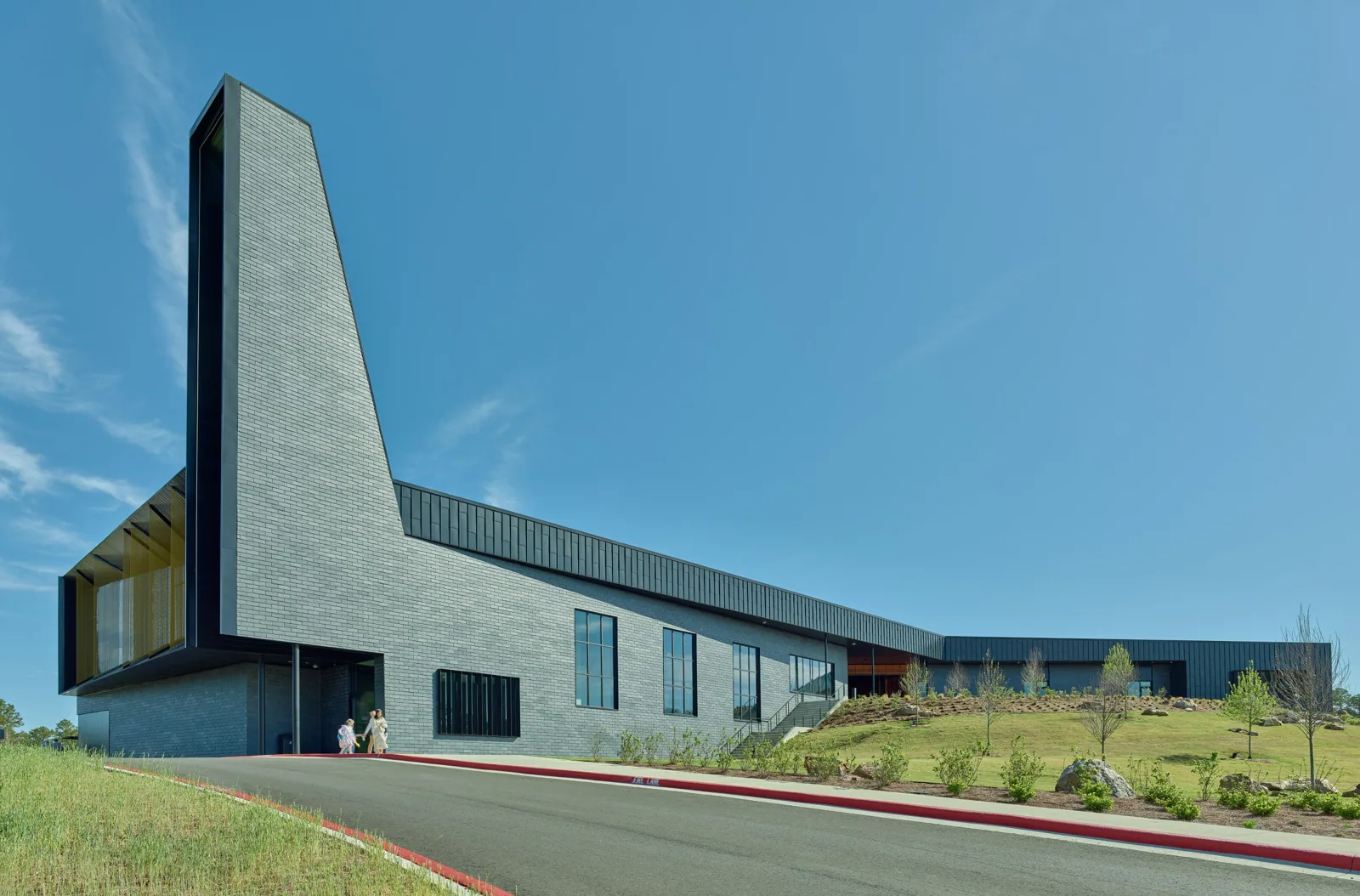
Plants run the full range: single-ply membranes over insulated steel deck, metal roofs with exposed fasteners or standing seams, and older built-up or modified bitumen roofs from earlier expansions. Kawneer, Rockline Industries and the poultry processors Tyson, George's and Cargill are among Springdale's largest employers, a mix of manufacturing and food processing. Process plants in general send steam, fat, solvent vapor or plain heat up their stacks and onto the roof around them.
That exposure decides the membrane. A KEE membrane or PVC roof resists oils and chemicals that degrade a basic single ply. We ask what is vented, at what temperature and how often, and we examine the roof around each discharge before recommending a system.
Food plants add cold rooms and freezers, and a cold storage roof is a separate case with its own condensation and ice problems. Dry storage and finished-goods space under the same roof behaves more like a warehouse, with long spans and few penetrations.
Maintenance call: a leak over a production line
The call comes from a shift lead or a maintenance planner, and the first question is whether it is safe to keep running. We advise on protection for equipment, electrical panels and product, and we bring a crew to seal or tarp the opening. The permanent repair follows when the area dries, and the cause goes into the building file.
On a large roof, finding the source takes method. Staining on the ceiling is a clue, not an answer. We trace water along the deck, check penetrations and drains, and use a moisture scan to see how far wet insulation extends. Dated photographs and a repair note give the plant manager a record for audits.
Quality and safety teams care about the cause as well as the repair. A leak onto a clean line, a drip onto a panel or a wet floor under a forklift lane is an incident, and the record of what happened and what was done goes into their files. We write the repair note to be useful to them.
Cost of waiting: downtime, damage and insulation
Drake Field collects 46.96 inches of precipitation a year, and its wettest month, May, brings 5.89 inches, so water keeps testing any weak spot over a plant. Wet insulation under a membrane spreads and does not dry, which turns a spot repair into a larger one. A plant that waits through one more spring storm line pays for the extra repair and for any production that the leak interrupts.
Winter adds roughly 10 days a year with highs under freezing and about 6.5 inches of snow. Condensation near warm exhaust and ice in drains add winter leaks to the spring ones. We compare the cost of repair now against the cost of waiting, and put both in front of the plant manager.
Stock of spare parts and equipment adds to the cost. A plant keeps replacement motors, controls and tooling under the same roof, and water on those items turns into a purchase order. A modest roof repair costs less than the replacement parts, and the comparison is easy to make.
Storm week: wind, hail and roof-mounted equipment
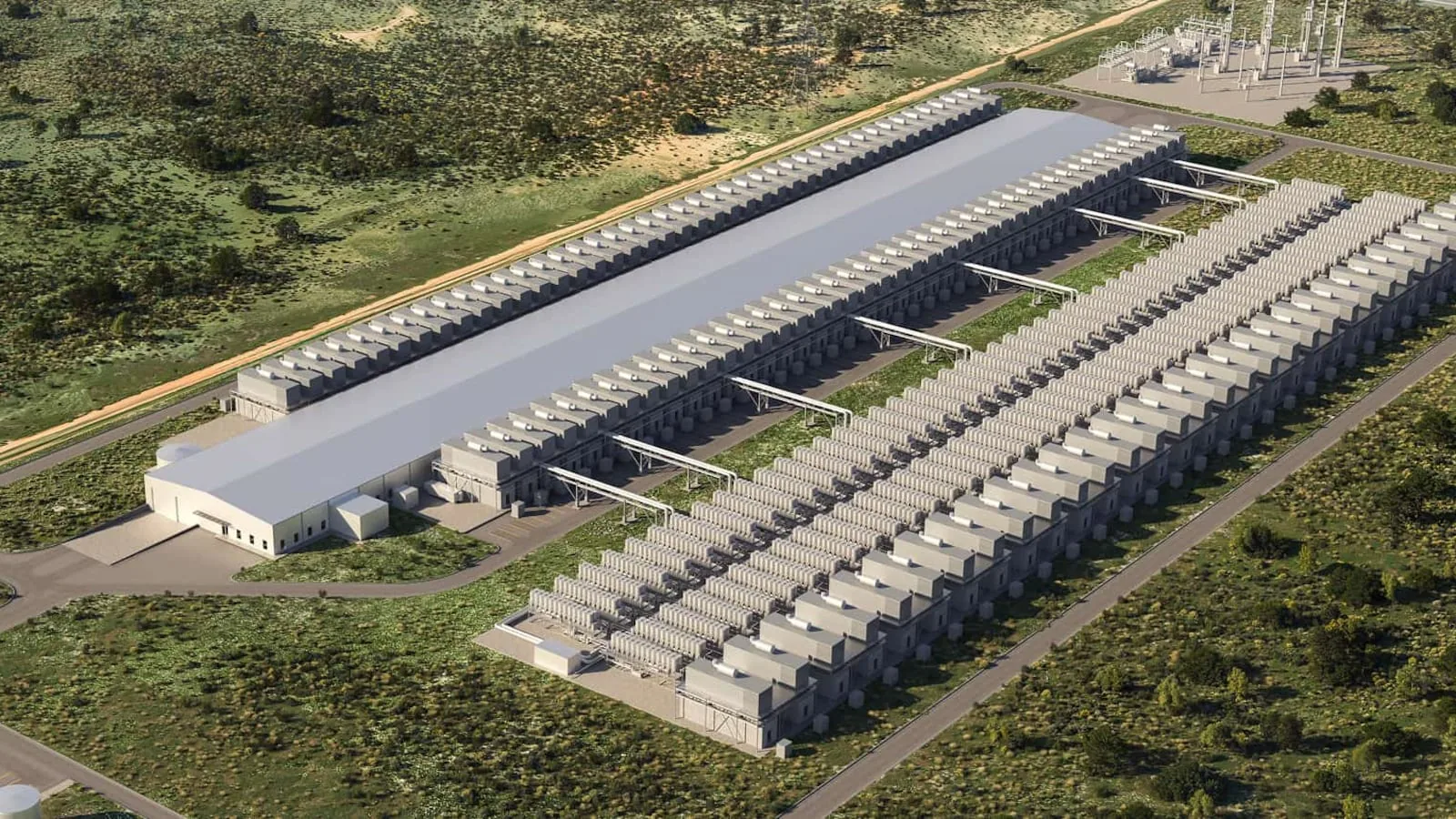
Springdale's March 30, 2022 EF3 tornado destroyed a large metal building near Highway 412, and the NWS Tulsa log for May 2020 carries 3.00-inch hail east-northeast of Fayetteville. Plant roofs carry equipment that wind and hail can damage, from fan housings to duct, and a storm can displace a unit cover and open a path for water.
After a storm line we check equipment, curbs, edge metal and membrane, and we photograph and map what we find. A wind damage repair done quickly keeps the next gust from doing more harm. For an adjuster, a pre-storm baseline and a post-storm record make the claim easier.
Roof-mounted equipment is the first thing a storm tests. Fan housings, duct supports and unit covers loosen, and a loose cover on a make-up air unit lets rain into the plant. We tighten, replace fasteners and reseal after each storm line.
Shifts and safety: working above a running plant
Roof work above a plant needs agreement on access, shutdowns and hazards. We confirm who authorizes roof entry, which equipment can be shut down and for how long, and where the crew can park and stage. Plants add hot work permits, lockout rules and sanitation requirements, and we follow them. Fall protection is set up at every edge and opening.
Fumes and dust are managed by locating air intakes before the roof is opened and covering or avoiding them. A plant that makes food or sensitive products needs the same discipline for debris and odors. An occupied-building reroof in a plant is cut into sections, with each one closed up at day's end.
Heat from equipment below can soften membrane near large vents, and process roofs often show a ring of wear around each discharge. We measure the ring, note its growth between visits and decide whether a splash pan or a local replacement will stop it.
Questions About Manufacturing Plant Roofing
Budget: capital lines for plant roofs
Plant roofs show up on capital plans because they are large and expensive. A capital plan ranks each roof by condition and cost, so replacement dates are spread across years. A multi-plant owner can use the same format for each site. Tyson's Springdale headquarters includes a 100,000 square foot research and development building, an example of the mix of plant, lab and office space a manufacturer can carry, each with its own roof needs.
Plant projects go through the same permit review as any building: Arkansas's 2021 International Building Code adoption, the older ASHRAE 90.1-2007 energy baseline and a building official who signs off on insulation at replacement. Plant owners in Springdale and Fayetteville Industrial Park get one report layout per roof.
Commercial Roofing Questions
How can we repair a plant roof without stopping production?
We work in sections, agree on shutdowns for specific exhaust fans and keep each opened bay dried in daily. Hot work, lockout and sanitation rules are part of the plan, and a named supervisor stays in contact with the plant manager.
Why does the sheet near one stack keep failing?
Heat, grease or chemicals from that exhaust are attacking the membrane. A resistant sheet, a taller stack, a splash pan or a directional cap can stop it. We test the material and ask what the stack vents.
What records help an audit of the roof?
A roof plan, dated photographs, a list of repairs, warranty terms and an inspection schedule. We prepare those after each visit so the file is complete.
Can we add new rooftop equipment during a reroof?
Yes, and it is the right time. New curbs, supports and penetrations are flashed into the new roof, and the loads are checked against the structure.
What does winter do to a plant roof?
Freeze-and-thaw weeks stress seams and flashing, ice blocks drains and condensation forms near warm exhaust. We check drains and seams after cold snaps.
Related Commercial Roofing Pages
Read how we handle this work in Fayetteville, AR
Read how we handle this work in Fayetteville, AR
Read how we handle this work in Fayetteville, AR
Read how we handle this work in Fayetteville, AR
Read how we handle this work in Fayetteville, AR
Read how we handle this work in Fayetteville, AR
Read how we handle this work in Fayetteville, AR
Read how we handle this work in Fayetteville, AR