
Commercial Roofing in Lowell, AR
Commercial roof repair, inspection, and replacement planning in Lowell, AR. We document conditions and schedule work around access, equipment, and operations.
A full loading schedule can turn a roof leak into an operations question as much as a repair ticket. Lowell, AR, is home to J.B. Hunt Transport Services, and US 71B runs through town as Bloomington Street, with I-49 access at Exit 78 on Highway 264. A commercial building still needs its own inspection, but the access and delivery plan should reflect how the property is used. We locate the failure, protect the space below, and give the manager a repair scope that can be scheduled around daily work.
For the first visit, send the address, roof age if known, leak location, and any limit on truck movement or equipment shutdown. We can then plan the access route and identify the person who can open the roof hatch. Clear details at the start save time on the roof and help the estimate match the site.
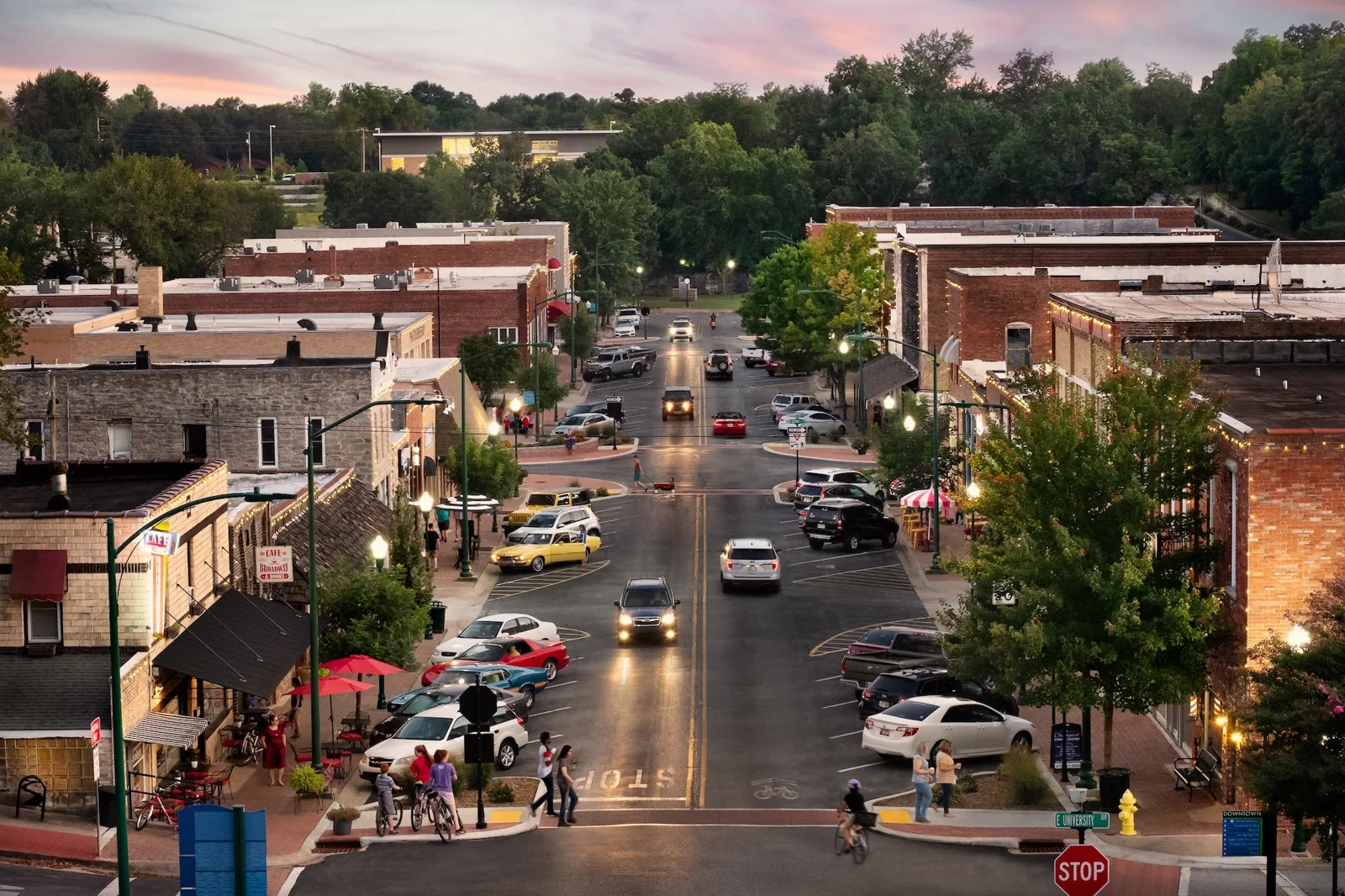
Access: keep the roof visit out of the delivery lane
Loading docks and service drives need to remain usable while a crew is on the roof. We confirm where a lift can set up, when deliveries arrive, and whether the work area below has people or equipment that need protection. Roof access may be through a tenant space or controlled hatch, so we identify the key holder before the visit. If the repair needs a larger material staging area, the manager can decide where to place it before trucks arrive.
Bloomington Street and the I-49 Exit 78 ramp on Highway 264 are the route references for the service plan. For a roof repair, we stage tools at the point of work and keep the path clear. On occupied properties, our occupied-building reroofing plan marks the roof sections, interior protection, and noisy work windows. The owner sees how the building stays covered while the repair proceeds.
Leak tracing: start with the interior report
A stain near a dock door may not sit below the roof opening. Water can follow the deck, insulation joint, pipe, or joist and appear several feet from the source. We record where it showed up, when it began, and whether it grows in steady rain or only with wind. On the roof, we inspect the area upslope and check seams, flashings, drains, curbs, and penetrations. That path helps distinguish a detail failure from a larger membrane problem.
Where a surface patch hides the original condition, we note the old repair and test the adjacent material. A core can show the layers and whether insulation is wet, while infrared may help locate suspected moisture across a larger field. Our commercial roof inspection includes photos and defect locations. When the manager needs an aerial view of a large or obstructed roof, a drone roof inspection can document areas that are difficult to see from the access point.
Freeze and thaw: protect details through the cold turn
At Drake Field in Fayetteville the average year brings about 6.5 inches of snow and roughly ten days when the high stays below freezing. Northwest Arkansas roofs, Lowell's included, work through that freeze-and-thaw turn every winter. The freeze-and-thaw pattern makes open seams, small cracks, and standing water worth checking before cold weather. Water that enters a split can expand as temperatures fall, widening the path and leaving a bigger repair after the next thaw.
We inspect penetrations, edge metal, wall flashings, and the areas around drains for movement or gaps. A metal roof needs review of fasteners and panel laps; a membrane roof needs weld or adhesion checks. If the system is already letting water into the insulation, a surface seal may not solve the underlying condition. The repair scope identifies the failed detail, while maintenance can revisit drains and seams on a planned schedule before winter exposure compounds a small defect.
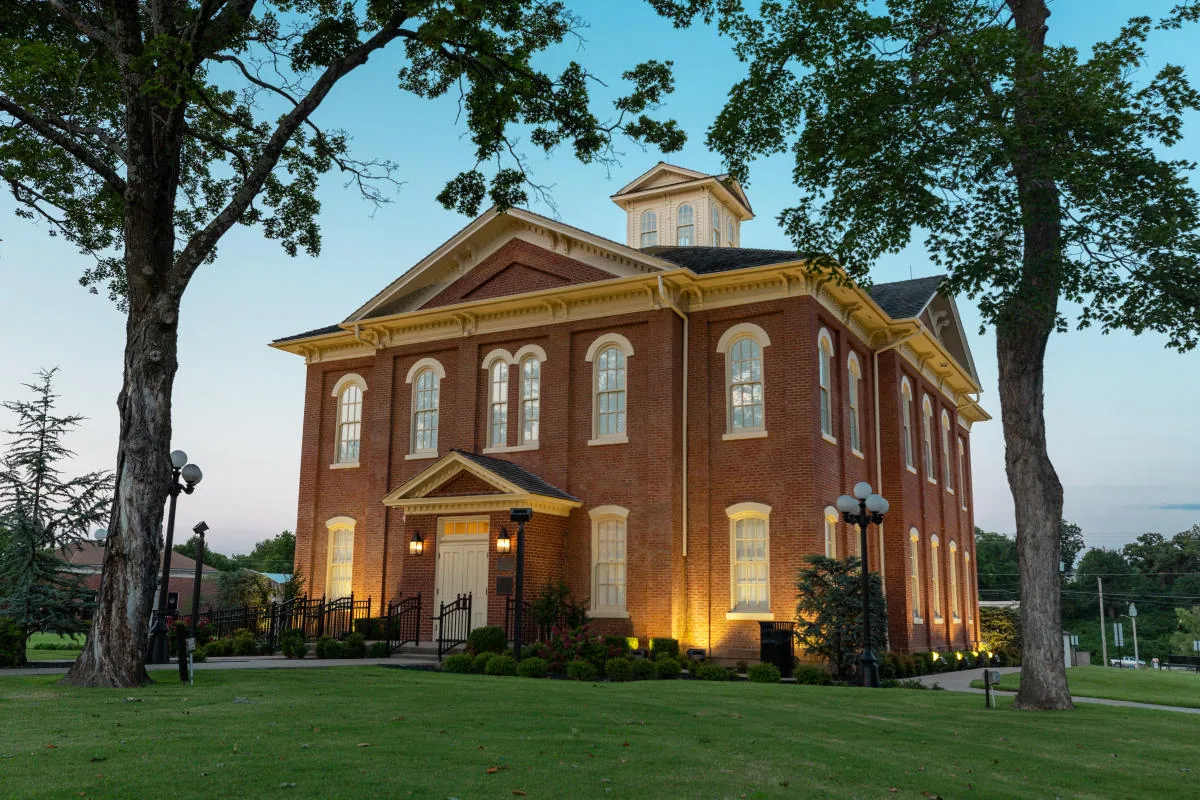
Repair decision: separate the leak from the roof's age
One leak does not by itself establish that the full system needs replacement. We check how far the wet area extends, whether the deck remains sound, and how the surrounding seams and flashings are performing. A localized curb or seam issue may be repaired. If moisture reaches multiple sections, repeated patches have lost adhesion, or the deck needs work, replacement can be the more practical project. The estimate should connect those findings to the recommended scope.
J.B. Hunt Transport Services is headquartered in Lowell, which makes logistics part of the city's commercial context. At an active loading property, we set the repair sequence with the manager, mark where equipment and deliveries need clearance, and identify what must stay protected below. That schedule belongs in the proposal alongside material and labor. We can separate temporary dry-in, permanent repair, and replacement planning so the manager knows which decision is urgent. A commercial leak repair addresses active entry, while a replacement proposal lays out removal, insulation, tie-ins, and staging where needed.
Records: leave the next shift a clear handoff
After the work, the roof record should identify the section, defect, material used, photographs, and any follow-up. That matters when managers or facility staff change shifts, because the next person needs to know whether a patch was temporary or permanent. A claim documentation file can include dated photos and a clear description when a storm caused the damage. Keep the repair record with the property's maintenance notes instead of leaving it in an email chain.
Managers with buildings in Fayetteville and Rogers can coordinate visits by area while keeping separate condition reports for each address. A moisture survey can be added when the assembly warrants it, but the result should be tied to the roof section and checked against visible conditions. A dated list of what was examined, repaired, or left for later keeps future budgets grounded in the work already completed. We can also note which equipment or interior area was protected during the visit, plus any follow-up date the manager should keep. If the roof was temporarily dried in, the record distinguishes that step from the permanent repair so it is not counted as a completed fix.
Questions About Lowell
Commercial Roofing Questions
How should we prepare the property for a roof inspection?
Share the address, access instructions, active leak locations, roof age if known, and delivery or loading restrictions. We will confirm where the crew can stage and whether anyone needs to provide interior access. Photos and old work orders help us trace repairs before the first walk.
Can a repair be scheduled without stopping operations?
Often, yes. We plan the work area, lift or ladder placement, noise, and protection around the facility schedule. If a rooftop unit must be isolated or a loading lane temporarily limited, that requirement goes into the schedule before the work starts.
Does freeze-and-thaw weather change the repair material?
It can affect preparation and installation conditions. We check whether the surface is dry and within the material manufacturer's application limits before a permanent repair. If conditions do not support that work, we can protect the opening and return when the assembly is ready.
What tells you a roof needs more than a leak patch?
The number and spread of wet areas, the condition of the deck, recurring seam or flashing failures, and the repair history all matter. We document those observations and compare repair with restoration or replacement. If only one detail failed on an otherwise sound roof, the scope can stay focused.
What records should we keep after the crew leaves?
Keep the date, roof section, photos, repair materials, and any remaining observation with the building record. We can provide that information in a written report. It gives the next manager a starting point if the same area is reported again.
Related Commercial Roofing Pages
Read how we handle this work in Fayetteville, AR
Read how we handle this work in Fayetteville, AR
Read how we handle this work in Fayetteville, AR
Read how we handle this work in Fayetteville, AR
Read how we handle this work in Fayetteville, AR
Read how we handle this work in Fayetteville, AR
Read how we handle this work in Fayetteville, AR
Read how we handle this work in Fayetteville, AR
