
Warehouse Roofing in Fayetteville, AR
Warehouse roofing in Fayetteville, AR: inspection, leak repair, recover and replacement for large low-slope roofs, with tenant, dock and storm-week timing.
The call on a warehouse usually starts at the dock: a pallet of paper goods wet on the floor, a shift supervisor with a phone and a tenant who wants to know whose roof this is. The property manager then has two questions, how bad it is and what it costs if the repair waits. A warehouse roof is a big, simple surface until it leaks, and then it is a search across thousands of square feet for one small opening.
In Fayetteville, AR we repair, recover and replace warehouse roofs, and we lay out the choice in dollars and calendar weeks so the work order can go out before the next storm line.
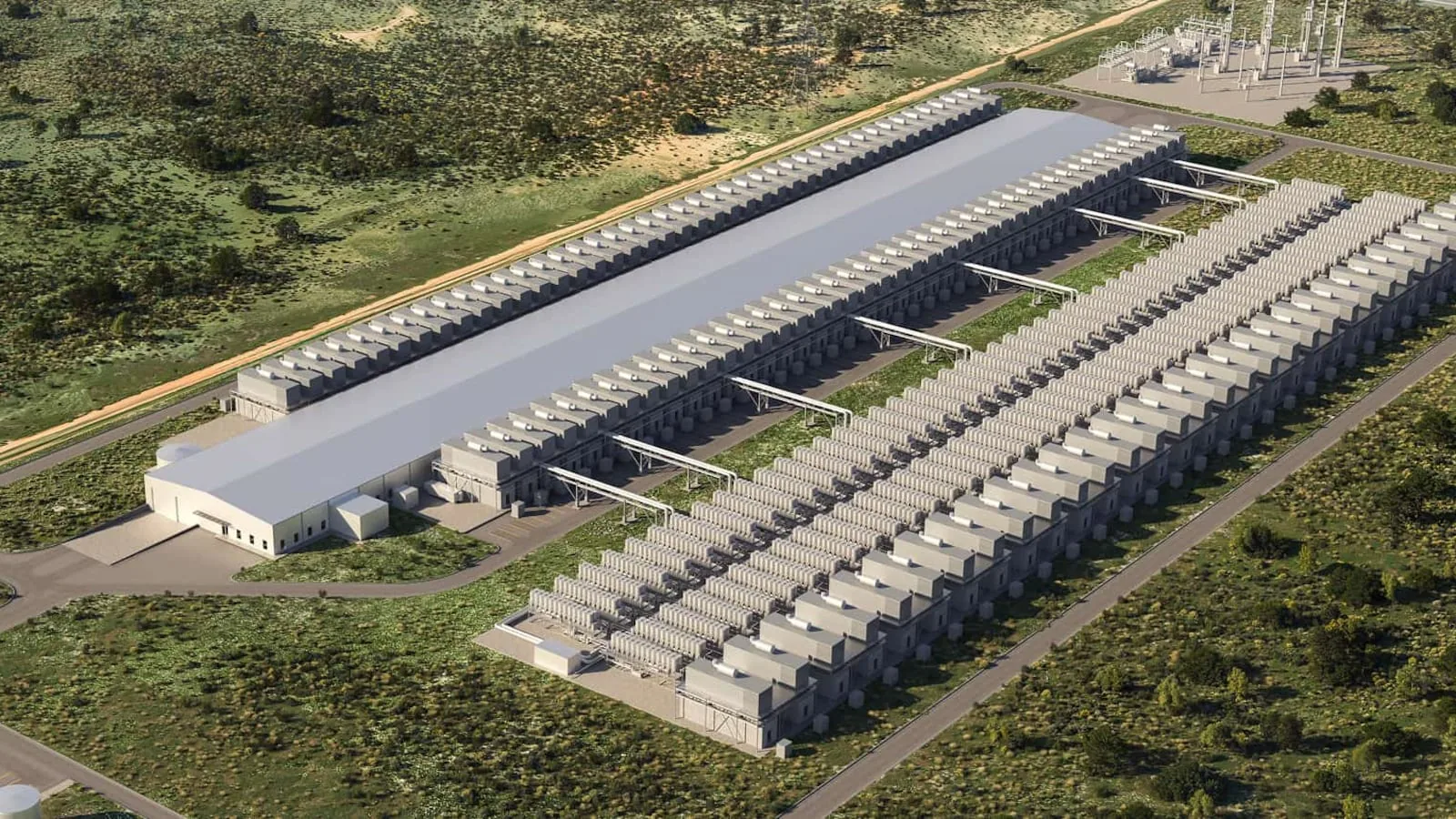
Roof types: what sits over a warehouse
Warehouses tend to carry one of three roofs: a single-ply membrane such as TPO or PVC, a metal roof with exposed fasteners or standing seams, or an older built-up or modified bitumen system. Industrial Park West, part of the Fayetteville Industrial Park east of Fifteenth Street, holds a single-story industrial building of 24,750 square feet. In industrial buildings like that, the roof type decides the repair path.
We read the roof before recommending a fix. A TPO roof fails at seams and flashing. A metal roof fails at fasteners and laps. A built-up roof fails at blisters and flashings. Each has a different repair, a different cost and a different life.
The dividing line between a warehouse and its neighbors is use. A distribution center runs trucks around the clock and needs roof work scheduled around them, while a manufacturing plant adds process vents and heat. A plain storage warehouse has fewer penetrations, which helps, and larger spans, which hurts when a leak starts.
Tenant call: tracing water on a big roof
The stain on the warehouse floor is not where water entered. It runs along a purlin or the underside of the deck before it falls, and a tenant's report of wet pallets near dock door six can point to a roof opening forty feet away. We start inside, noting the stain, the date and the weather, then work up to the roof and sweep toward the nearest penetration, wall or drain.
For a large roof, an infrared moisture survey speeds the search and shows how far wet insulation extends. A drone can cover a big roof quickly for a first look. The goal is a repair that stops the leak and a written note of what we found, so the next call does not start from zero.
Skylights and smoke vents are frequent leak points on older warehouses. Their curbs crack, their domes craze and the flashing around them dries out. Each skylight and vent gets checked by hand, and a unit past saving is replaced instead of patched, because a repaired dome rarely lasts.
Cost of waiting: what a small leak becomes
Drake Field sees measurable rain on about 113 days a year, 46.96 inches in total, so a leaking warehouse roof is wet often. Water that enters at a seam soaks the insulation below, and wet insulation does not dry in place. The patch that would have cost a little in March becomes a section replacement by the next spring, and the section becomes a full reroof sooner than the reserve allowed.
The manager gets three prices on one page: fix it now, fix it and schedule the rest, or replace. The comparison is simple and shows what each month of delay is likely to add. Stored goods add another cost, since a wet pallet is a claim from the tenant, and the claim can exceed the repair.
Drainage is the other half of the waiting cost. A clogged drain on a large roof puts a pond against a parapet within an hour of a heavy rain, and the added weight stresses a deck that was designed for dry roof loads. We clear and test drains on every visit.
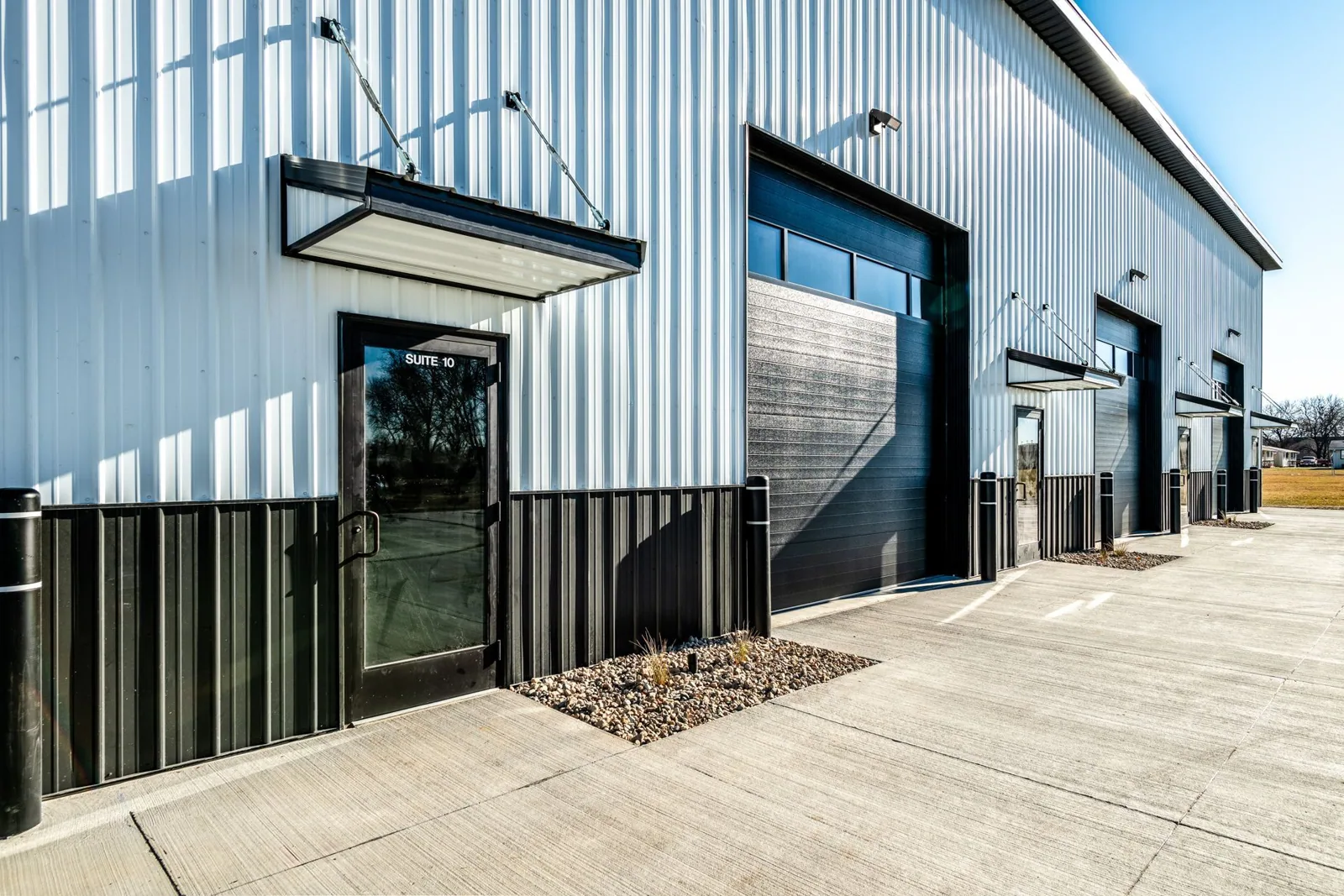
Storm week: hail, wind and the I-49 corridor
Smaller hail came with it, but the biggest stone in NWS Tulsa's May 2020 log, 3.00 inches, landed about a mile east-northeast of Fayetteville. A warehouse on a wide, open lot has little shelter, and its roof takes the full weight of a storm line. After a hail week we walk the roof, mark bruises and probe the insulation under suspicious spots.
Wind lifts edges and corners first, so perimeter trim and flashing are the first checks after a blow. A wind damage repair that fixes a lifted edge the same day keeps the next gust from working under the membrane. Dated photographs and a roof plan with the damage marked make the adjuster's visit simpler.
Docks and operations: scheduling around trucks
A warehouse roof job lives or dies on the dock schedule. Trucks need approach lanes, forklifts need clear aisles and the crew needs a hoist or lift position that does not block either. We agree on staging with the operations manager, mark off a work area on the ground and keep a spotter at any point where material is lifted over a drive.
Inside, sprinkler lines, lighting and racking sit directly under the deck, and a roofing crew needs to know which items cannot take a drip or a falling fastener. Interior protection and a sweep at day's end are standard. An occupied-building reroof is divided into bays that can be dried in daily.
Fire lanes and sprinkler access stay clear throughout. The local fire marshal may want notice of a large reroof, and we give the building's contact the dates in writing.
Questions About Warehouse Roofing
Budget: reserve lines and replacement planning
Owners with several warehouses need a ranked list. We prepare a roof condition report for each building, with the roof type, the age, the leak history and a likely life, and then rank them for the capital plan. The result is a calendar the finance side can follow, with replacement dates spread across years instead of bunched into one bad one.
For a warehouse replacement, the rule set is the 2021 International Building Code that Arkansas adopted through its fire prevention code on January 1, 2023, plus the ASHRAE 90.1-2007 energy listing; the building official signs off on insulation depth. Owners in Fayetteville Industrial Park and along I-49 get the same format for each building.
Commercial Roofing Questions
A tenant says the roof leaks over dock door six. Where do we start?
Begin with the interior stain, the date and the weather, then walk the roof toward the nearest penetration, wall or drain. Water often travels forty feet along a purlin before it drops. A moisture scan finds the wet insulation and narrows the search to a repair area.
Can we recover a warehouse roof instead of tearing it off?
Often, provided the insulation under the old membrane is dry and the deck is sound. A cover board separates old from new. Code limits on layers and added weight are checked first, and wet insulation has to come out before anything is laid over it.
What should be on the roof plan we keep?
Roof type and age, every penetration and drain, past repairs, warranty terms and photographs. Add a mark for each leak location and the date. The file saves a day of searching on the next call.
How do we limit the damage to stored goods during repairs?
We work in bays, dry in at day's end and protect the space below with covers. The operations manager moves sensitive stock out of the work zone, and we agree on the plan in writing.
When should we get quotes for a replacement?
Months ahead of the work, ideally in winter, before the spring storm line fills crews' calendars. A budgeted job costs less than an emergency one.
Related Commercial Roofing Pages
Read how we handle this work in Fayetteville, AR
Read how we handle this work in Fayetteville, AR
Read how we handle this work in Fayetteville, AR
Read how we handle this work in Fayetteville, AR
Read how we handle this work in Fayetteville, AR
Read how we handle this work in Fayetteville, AR
Read how we handle this work in Fayetteville, AR
Read how we handle this work in Fayetteville, AR
