
Roof Systems in Fayetteville, AR
Commercial roof systems in Fayetteville, AR: TPO, PVC, EPDM, modified bitumen, metal, foam and coatings, compared by cost, hail exposure and building use.
Choosing a roof system is a money decision with a weather clause attached. In Fayetteville, AR, a membrane has to handle about 47 inches of rain a year, hail that reached 3.00 inches east of town in May 2020, and a record range from minus 20 F in February 2021 to 111 F. A system that suits a warehouse may be wrong for a restaurant, and a roof that is cheap to install can cost more over a decade. Every system has a different cost to keep and a different best fit, and the right pick usually shows up once the roof has been walked and measured.
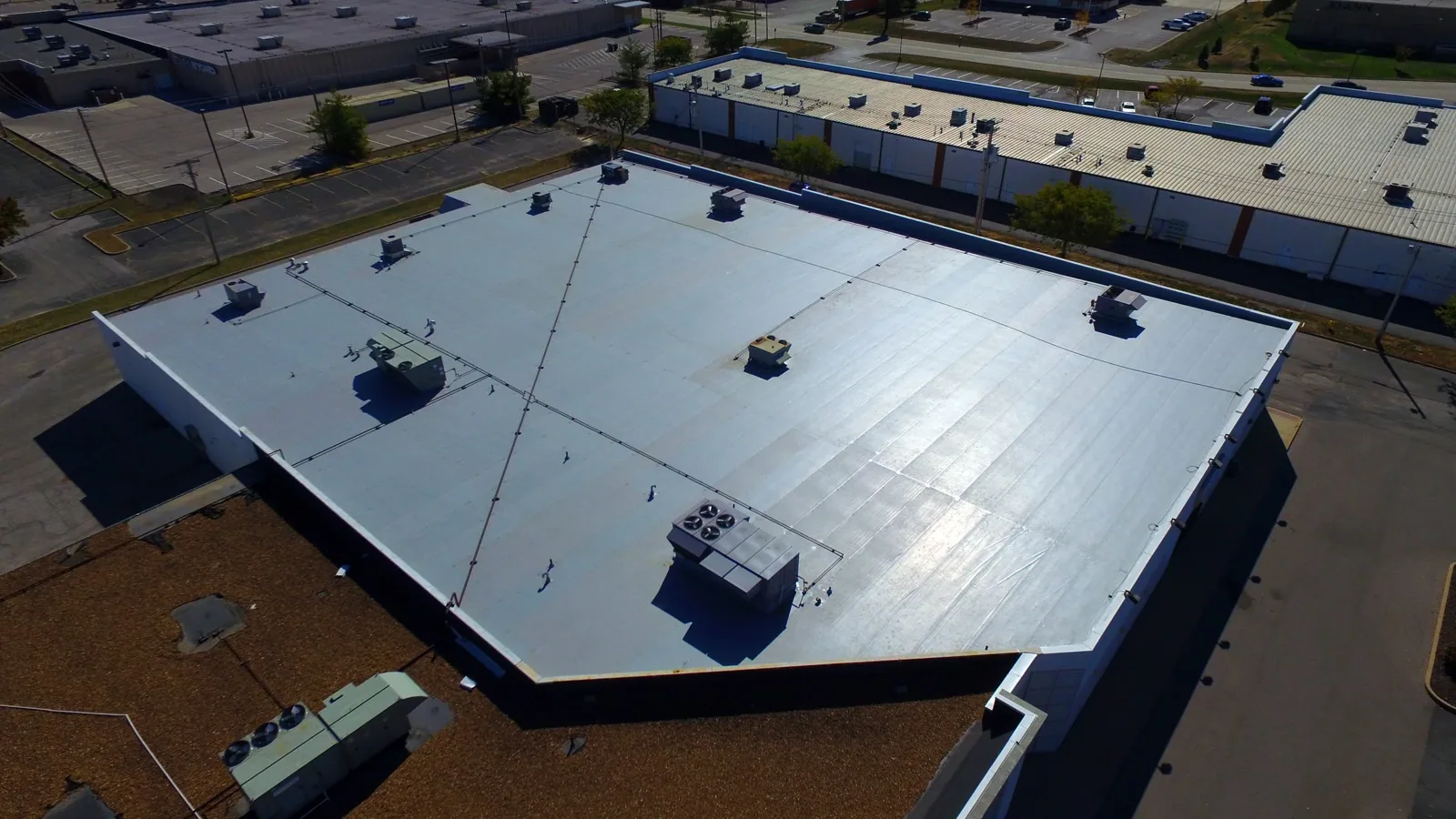
TPO Roofing
Learn more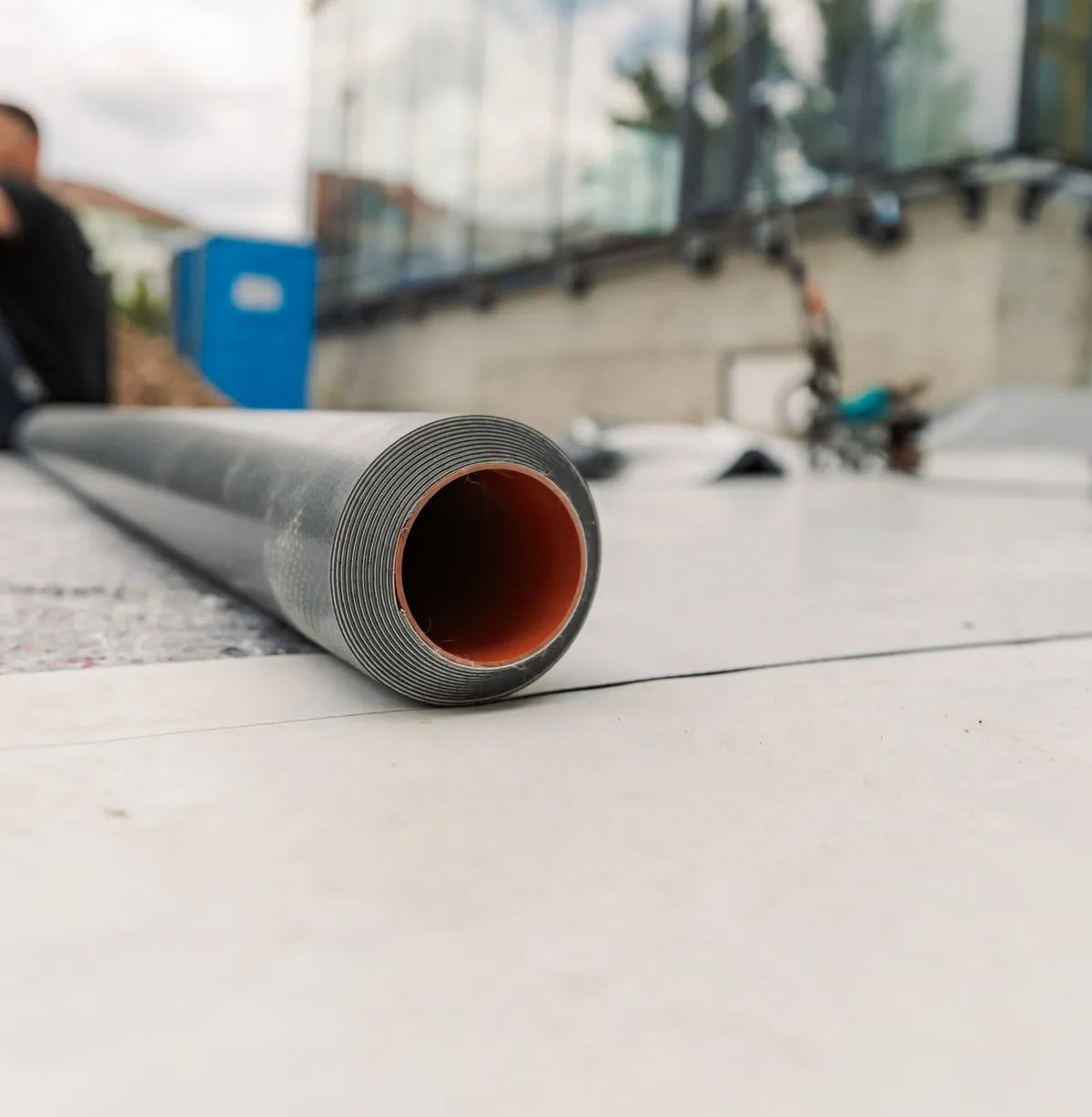
PVC Roofing
Learn more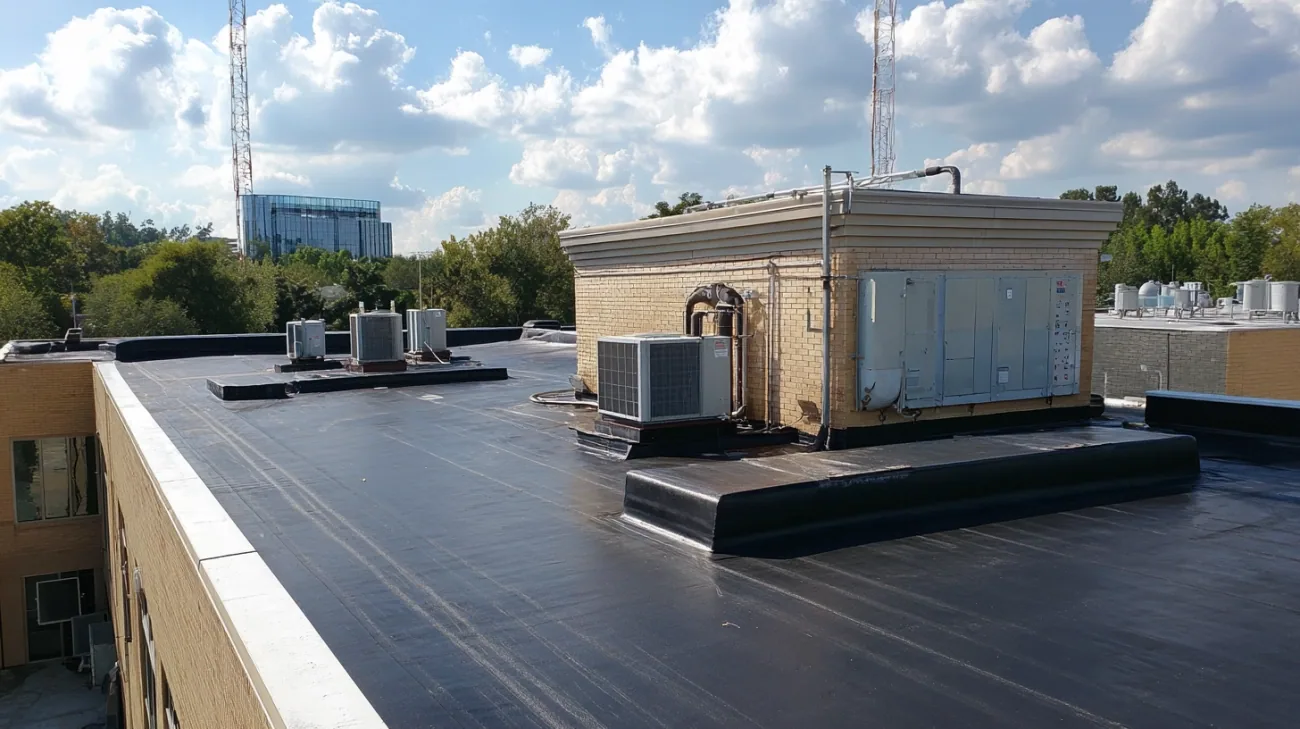
EPDM Roofing
Learn more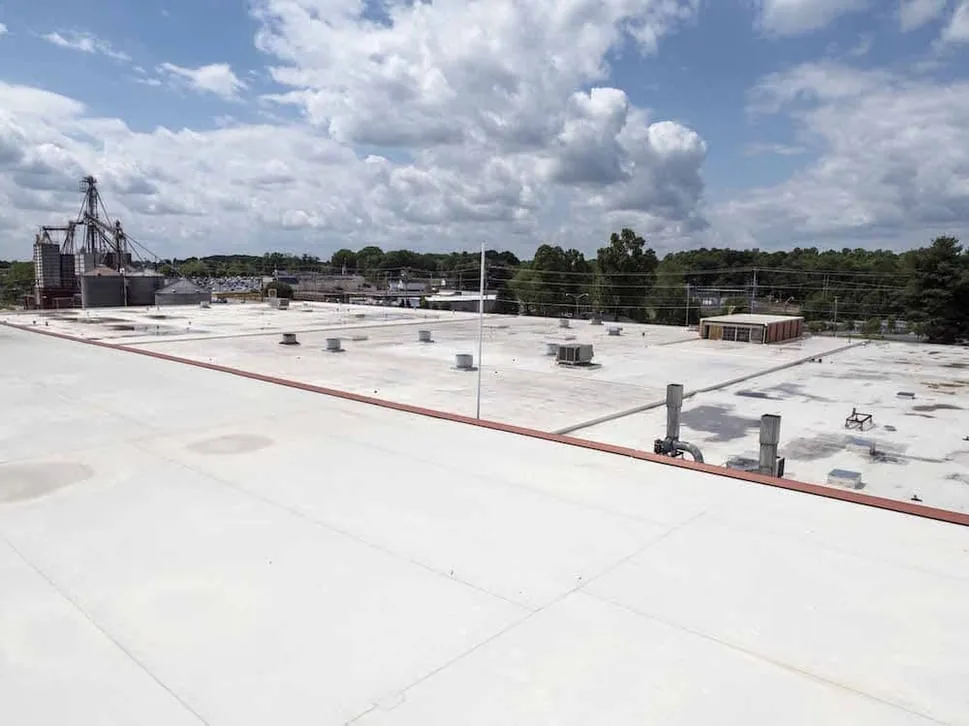
KEE Roofing
Learn more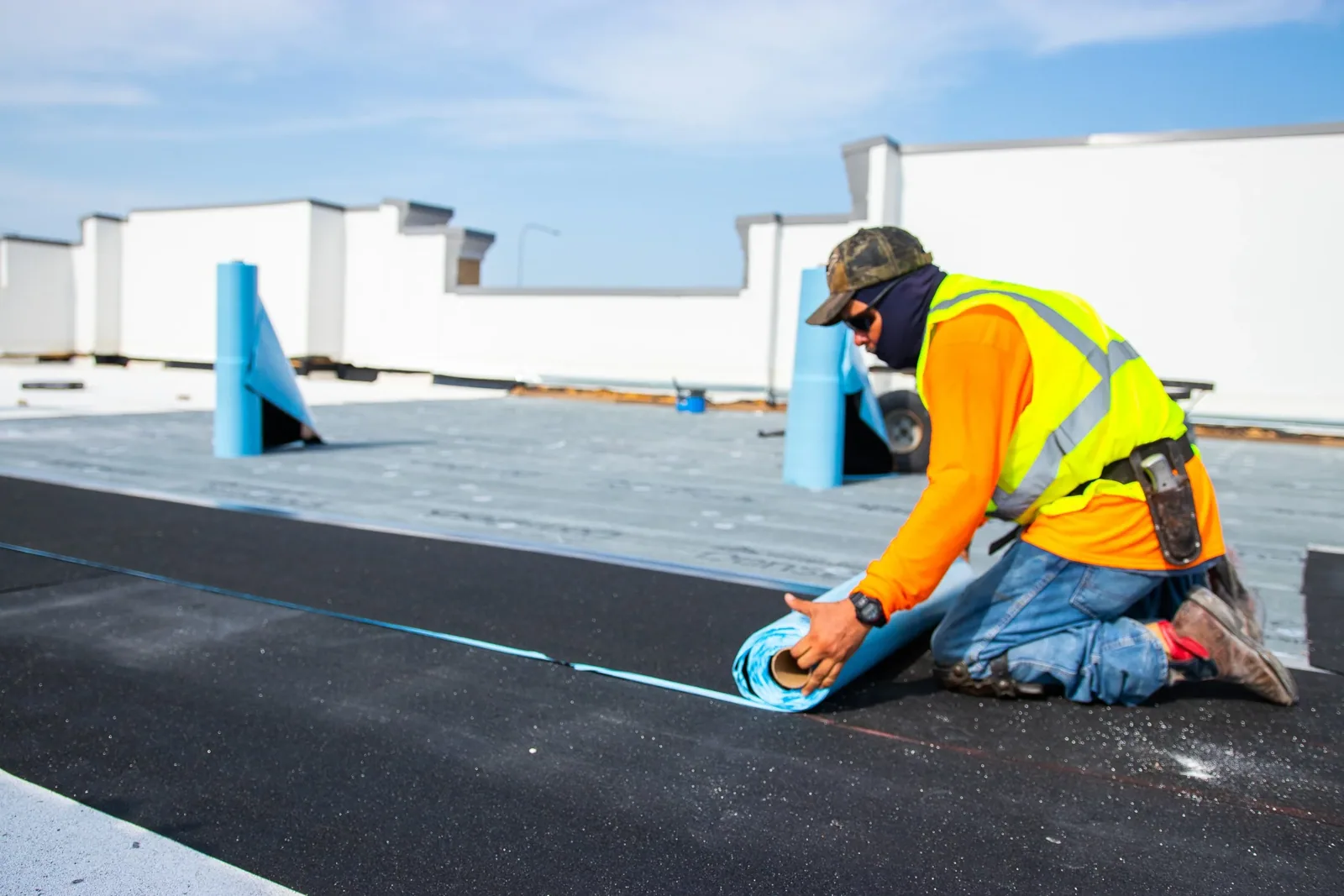
Modified Bitumen Roofing
Learn more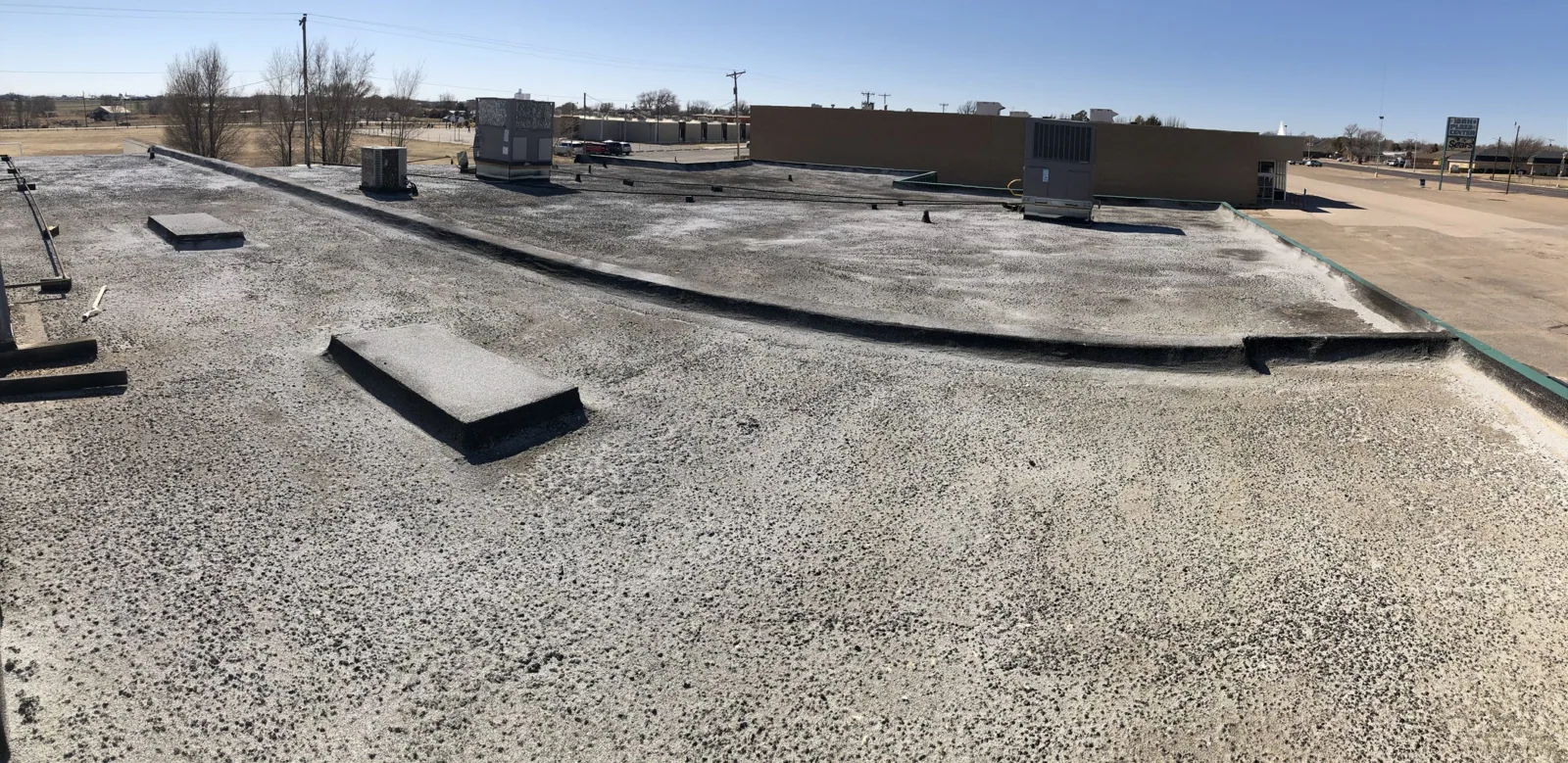
Built-Up Roofing
Learn more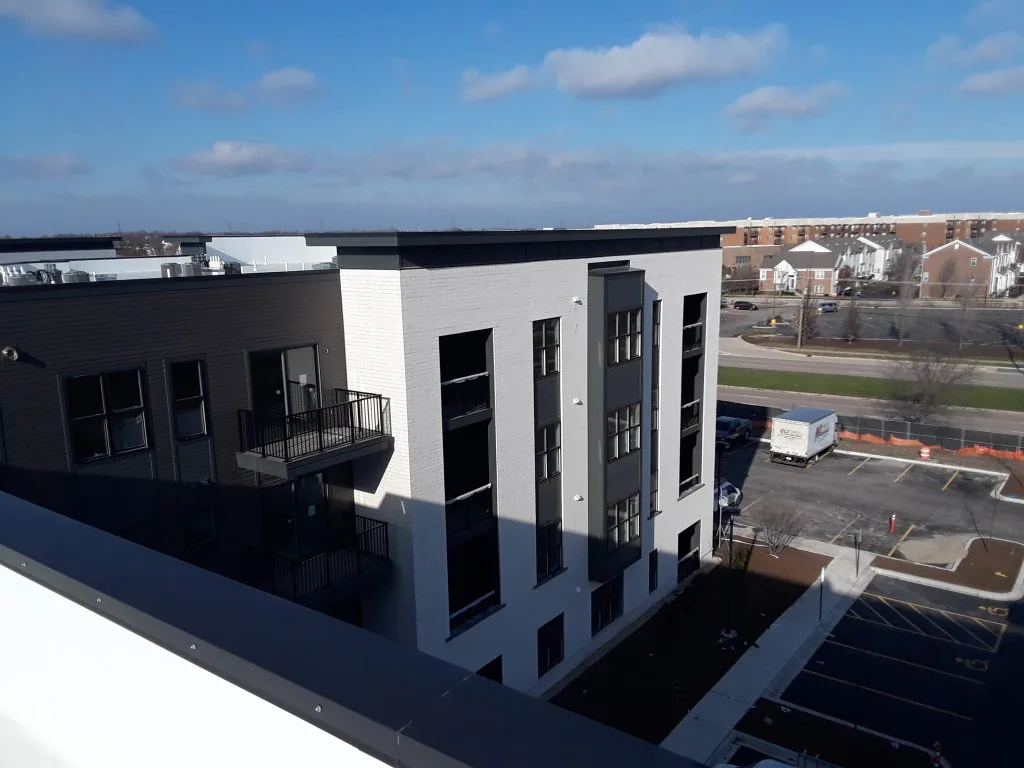
Standing Seam Metal Roofing
Learn more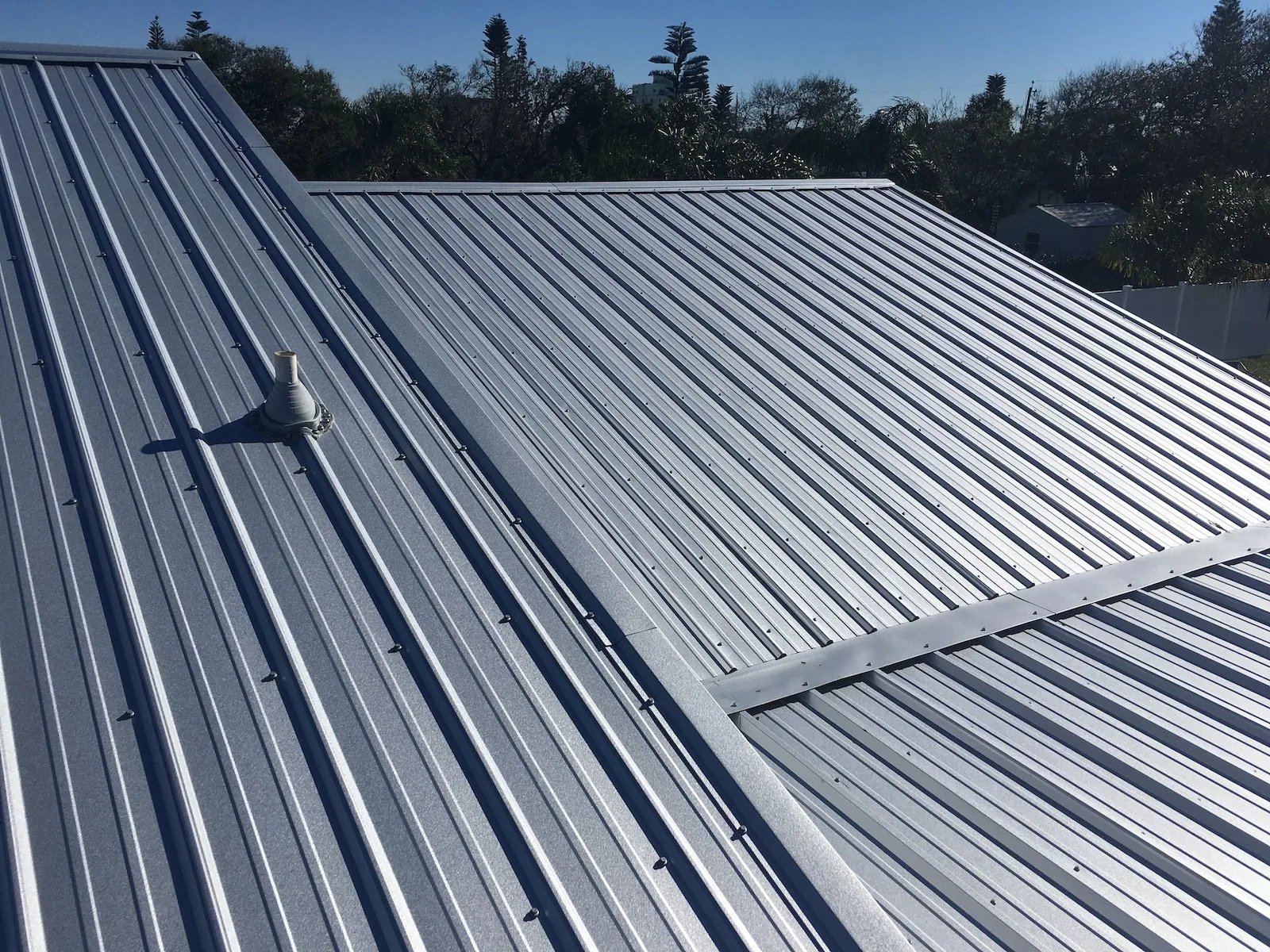
Metal Roof Retrofit
Learn more
Spray Foam Roofing
Learn more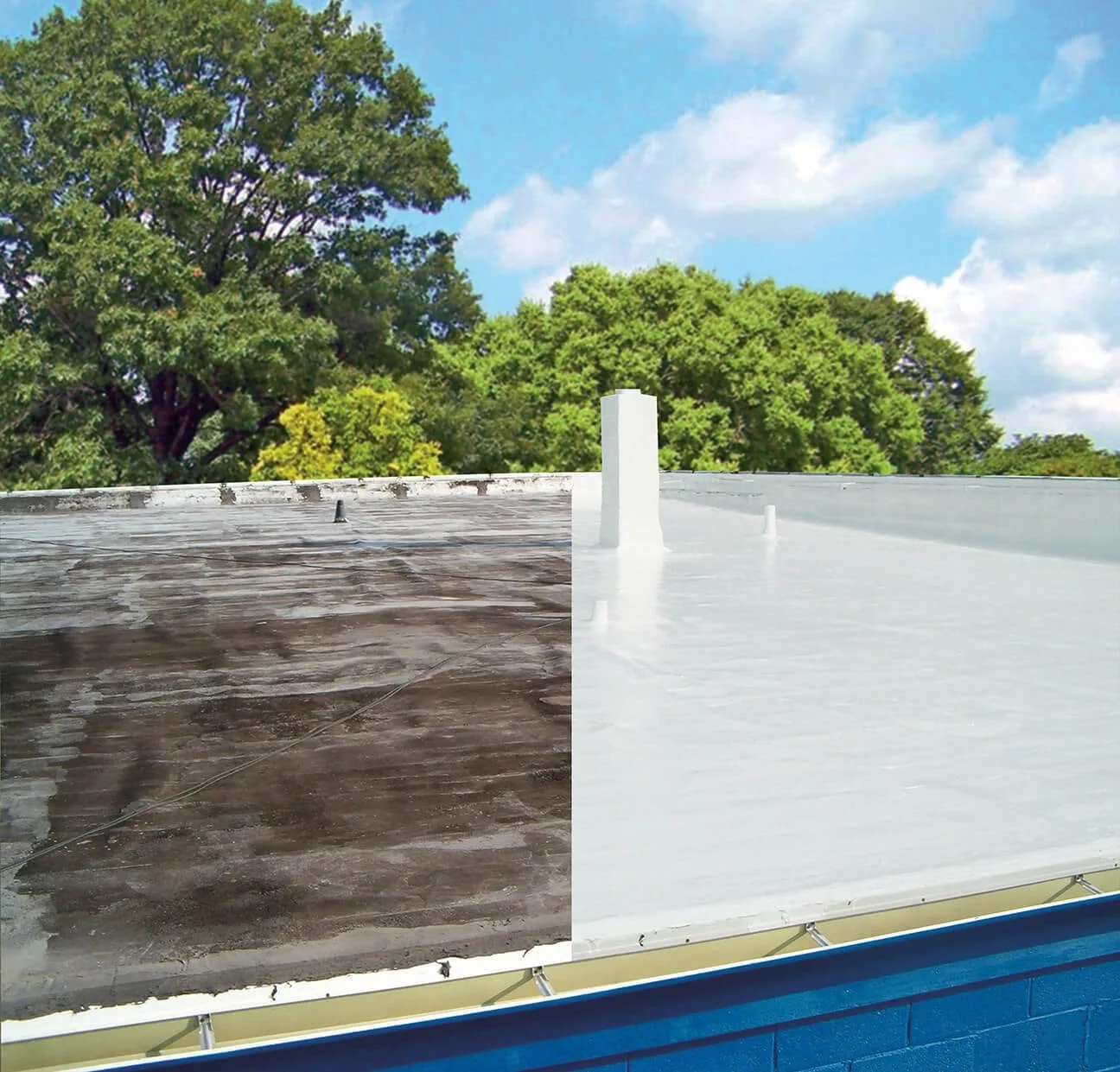
Silicone Roof Coatings
Learn more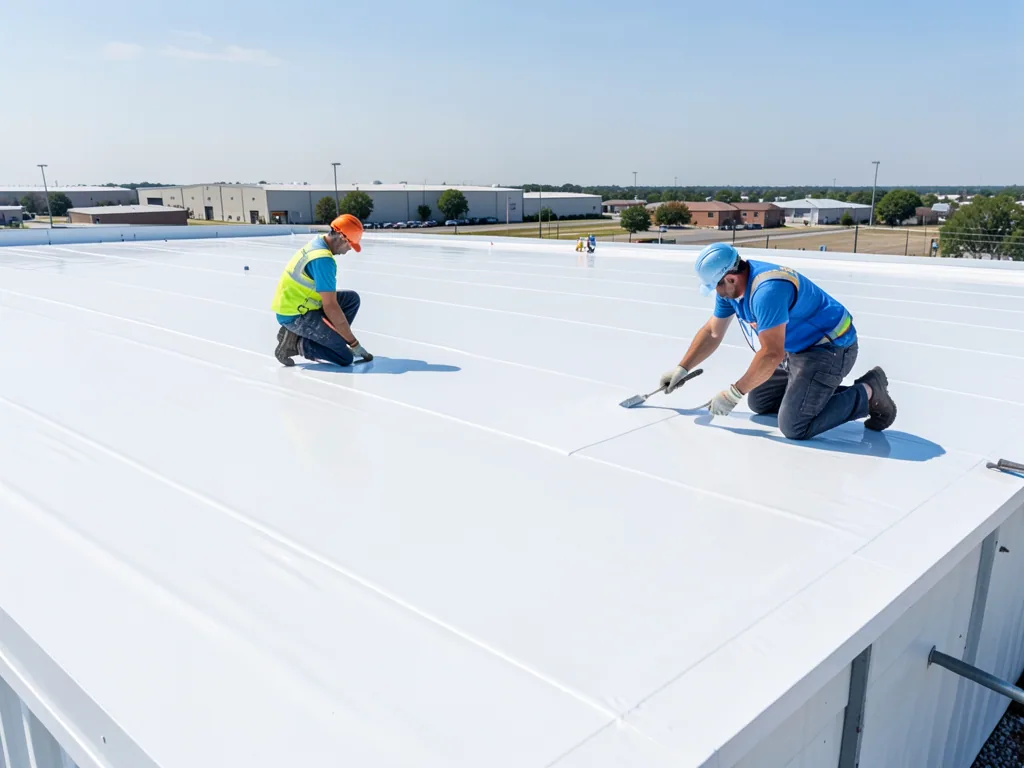
Acrylic Roof Coatings
Learn moreSingle-ply: the common choice for low-slope roofs
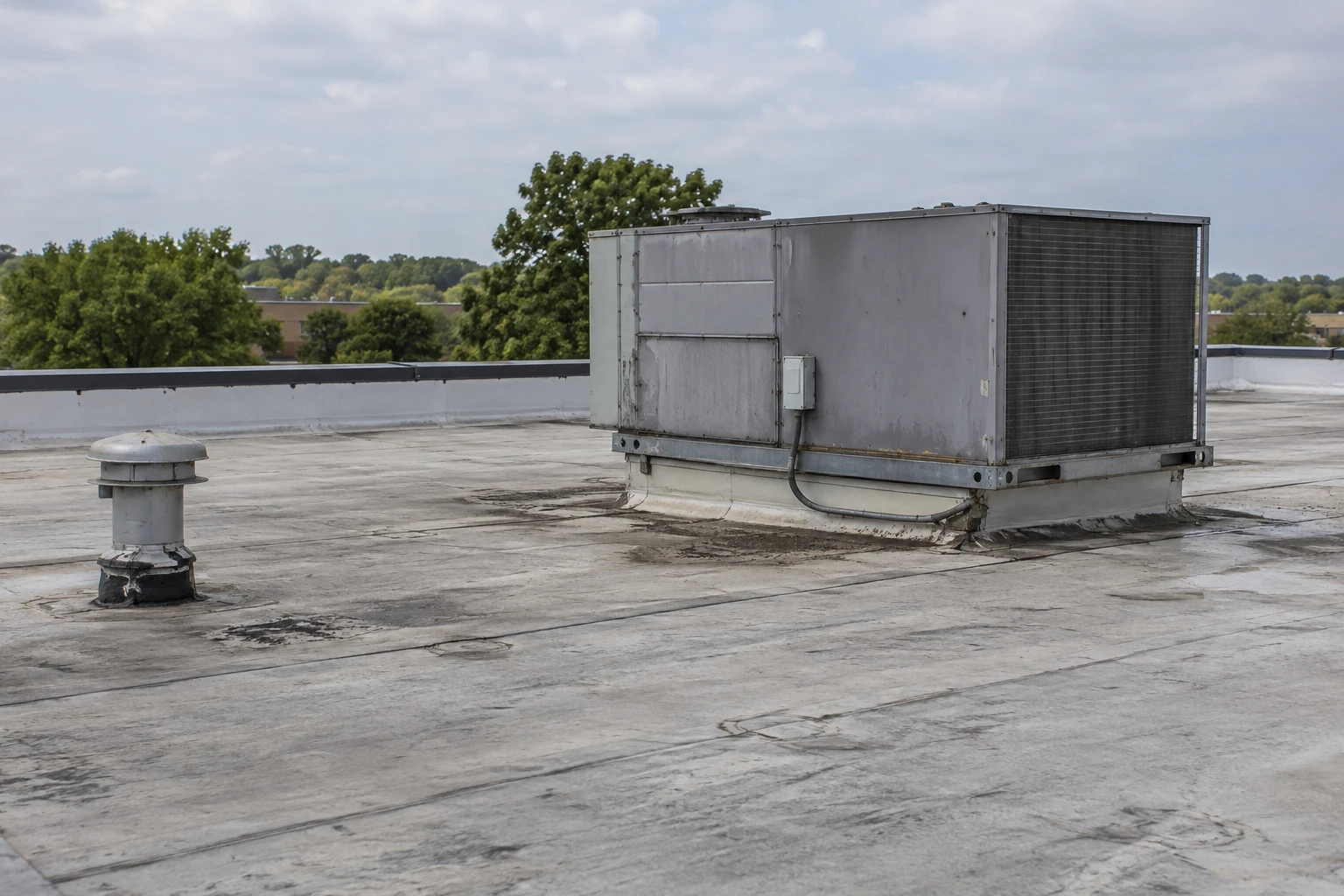
Single-ply membranes are the usual option for flat commercial roofs. TPO roofing is white, heat-welded and priced to compete, PVC roofing resists grease and chemicals, and EPDM roofing is a rubber sheet with a long record on large roofs. KEE roofing is a PVC variant made for tougher exposures.
Asphalt-based: layers that add thickness
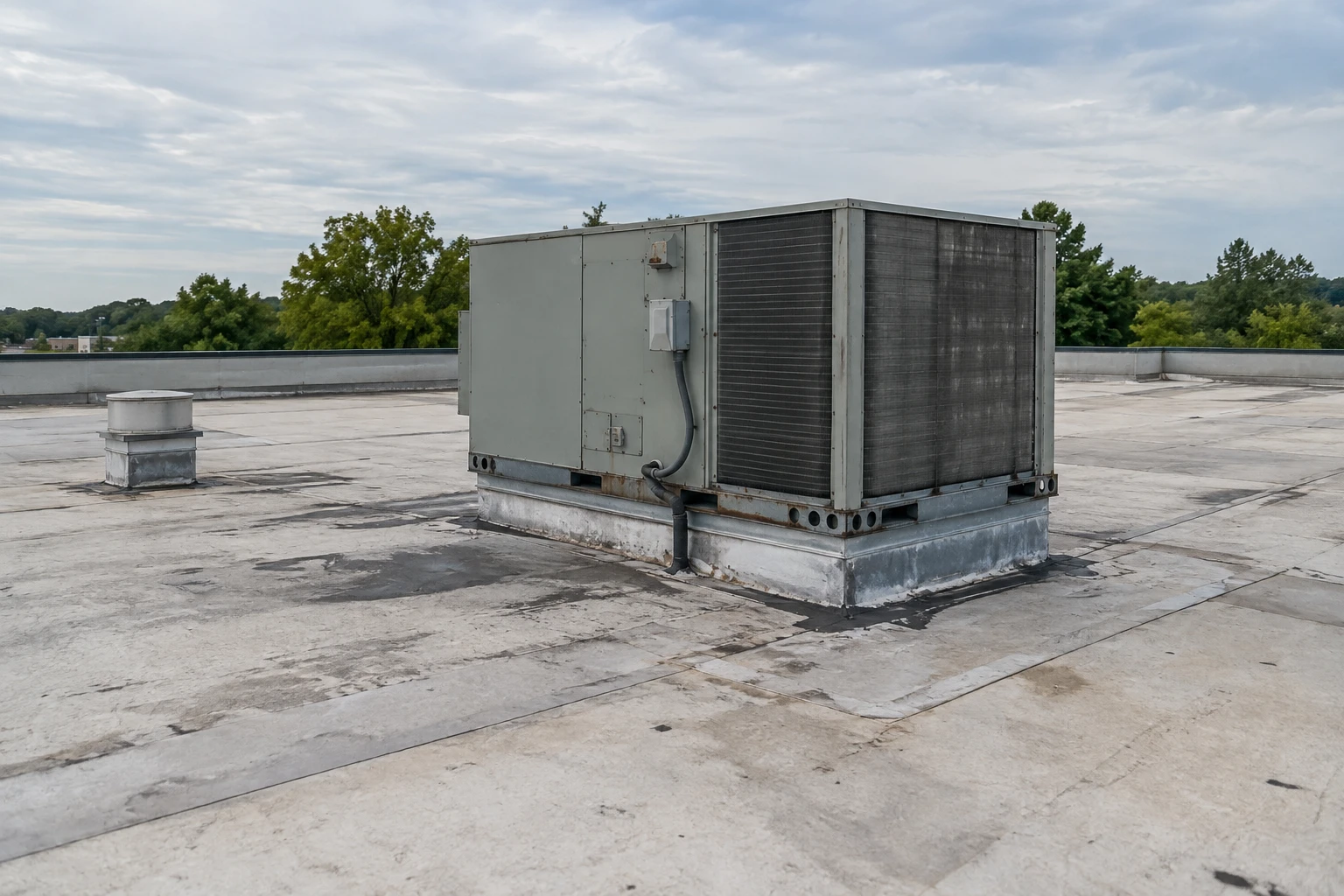
Where an owner wants a thick, redundant membrane, modified bitumen roofing and built-up roofing add plies of reinforcement and surfacing. They tolerate foot traffic well and take hail with gravel or granule surfaces. Rooftop equipment service visits put steady foot traffic on a roof, which is where that thickness pays off. Installation involves hot work or adhesives, so the schedule needs fire watch and tenant notice.
Metal and foam: long life on the right building
Standing seam metal roofing suits sloped roofs and owners who plan to hold a building for a long time. A metal roof retrofit restores or covers exposed-fastener panels, and spray foam roofing adds insulation and a jointless surface to roofs with many penetrations.
Coatings: extend a sound roof at lower cost
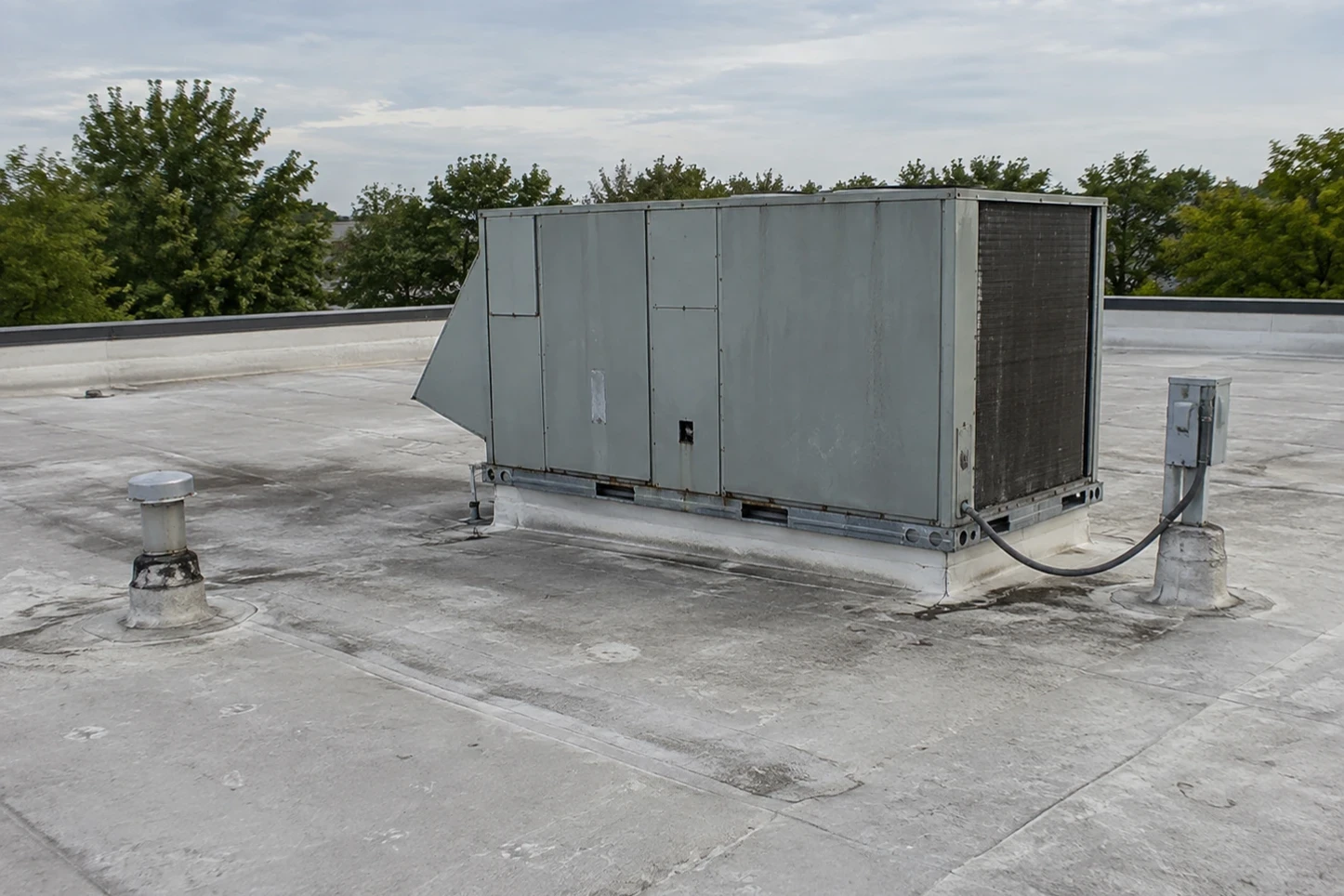
A coating can stretch the life of a roof that is dry and well attached. Silicone roof coatings tolerate ponded water, while acrylic roof coatings cost less on roofs that drain freely. Which one fits depends on the drainage test, the old surface and the weather window, since both products need a dry deck and a stretch of mild temperatures to cure. Spring is the busy season for that reason, and fall is a second chance.
Choosing: let the roof and the budget narrow the list
A first walk narrows the field. We check slope, deck, insulation, drainage, rooftop equipment and the building's use. Then we compare two or three systems on first cost, expected life and repair cost after hail. The state fire code points to the 2021 International Building Code, so the choice also has to fit the permit path.
Common Questions
Which system holds up best against Northwest Arkansas hail?
Thicker membranes and gravel or granule surfaces take impact better, and cover boards add protection over insulation. We compare options on repair cost after a storm, not only on first price.
Is the cheapest system the best value?
Not always. A lower first price can mean shorter life or more frequent repairs, so we put expected life and maintenance beside the install price.
Can I switch systems when I replace a roof?
Yes, as long as the deck, insulation and details can support the new membrane. We check compatibility during the walk and list any extra prep.
Do coatings work on every roof?
Only on roofs with dry insulation and a sound surface. A moisture survey and an adhesion test tell us before a bid goes out.
