Commercial Roofing in Downtown Fayetteville, AR
Commercial roofing in Downtown Fayetteville, AR: roof checks near the Square and Dickson Street, leak tracing, repair-or-replace costs and storm timing.
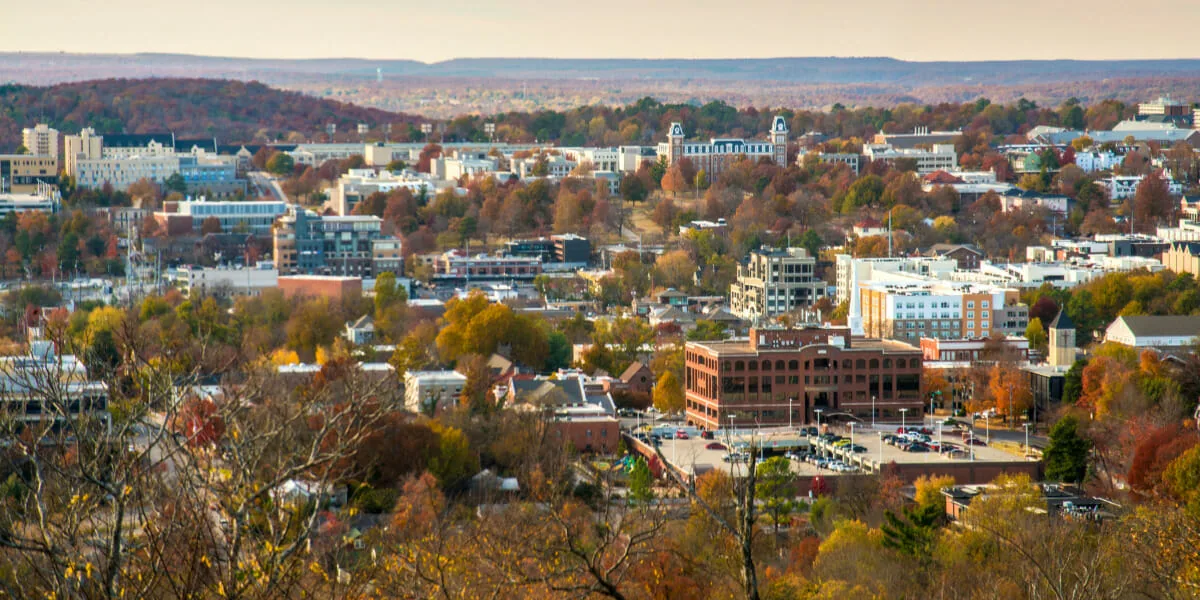
A stained ceiling tile over a Square storefront sets off the same two questions it sets off anywhere: where is the water coming in, and what does it cost if the answer waits until next quarter. Downtown Fayetteville, AR, has commercial buildings of very different ages sharing a few blocks, and the roof over each one has its own history of patches, drains and parapet repairs. We start with the roof over the tenant who called, trace the water back through the layers, and put a price range next to each option. Then the property manager sorts the findings between this year's work order and a later capital line.
The Square and Dickson Street: what shares the district
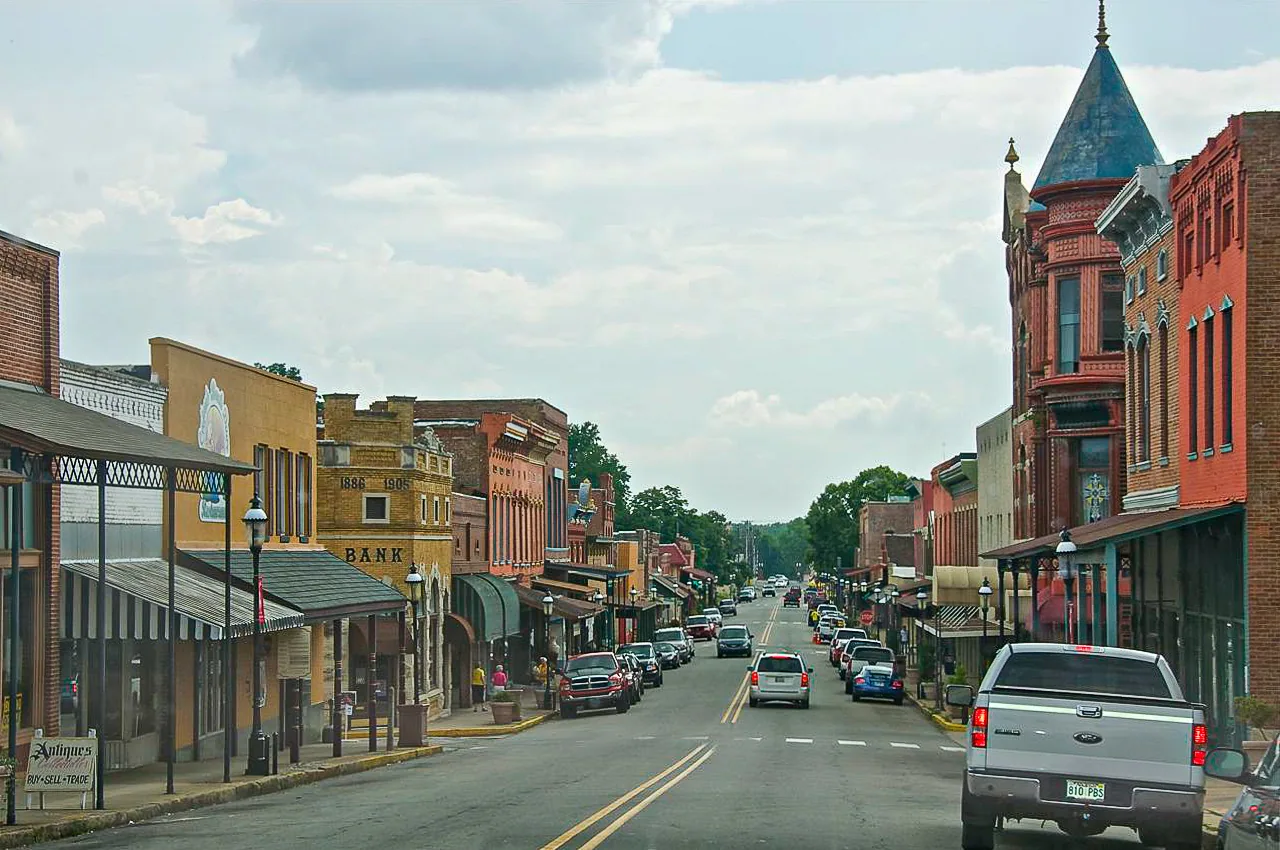
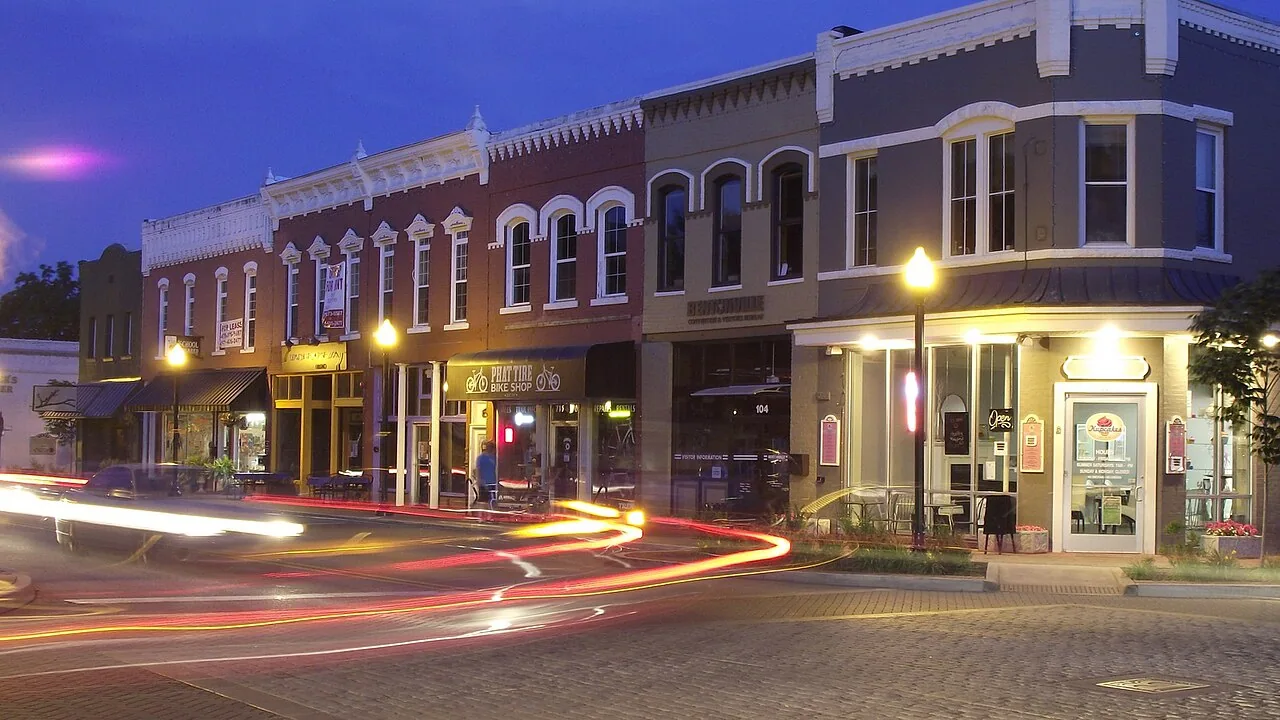
Downtown Fayetteville's Historic Square has carried a National Register of Historic Places listing since 1974, and the buildings around it include the 1911 Old Post Office, the 1908 Lewis Brothers Building, the 1887 Mrs. Young Building and the 1886 Guisinger Building. Dickson Street, a few blocks away, is the city's primary entertainment district, and a 3.7-mile trail loop circling the university campus finishes at the corner of Dickson and College. An entertainment district and a historic square sit close together, so access and tenant hours matter on every job.
A building's date says little about its roof today. Roofs get replaced, recovered and patched over a century, so we open the roof and read it. The setting still shapes the job: older blocks, a busy entertainment district and tenants with busy hours. Those conditions shape the access plan more than anything printed on a drawing.
First walk: read the roof before anyone prices it
On a downtown building we begin at the low points. Drains, scuppers, internal gutters and the wall-to-roof joints are where water tests a roof first, and on older buildings with parapets those joints are long. We look at coping, counterflashing, mortar at the parapet top, and any place two roof levels meet. Then we walk the field, mark soft spots under foot, and check penetrations for pipes, vents and rooftop equipment.
Most downtown leaks turn out to be a detail rather than the whole membrane. A cracked flashing at a wall costs far less than a full replacement, and a clear list of failed details lets the owner repair what is failing and leave the sound area alone. When the field itself is worn, we say so and show the photographs. A commercial roof inspection report sorts findings into repair now, watch, and plan.
Weather: rain, freeze-thaw and hail season
At Drake Field in Fayetteville, rain falls on about 113 days a year and adds up to 46.96 inches, and May is the wettest month, at 5.89 inches. A typical year brings around 6.5 inches of snow and about ten days that never climb past freezing. The freeze-and-thaw week that follows a snowfall opens small cracks that spring rain then finds.
Hail is the larger worry. Storm reports compiled by NWS Tulsa for May 2020 put 3.00 inch stones roughly a mile east-northeast of Fayetteville, along with 2.50 inch and 1.75 inch stones. A membrane that took that kind of hit can look intact from the sidewalk and leak after the next hard rain. After a storm line, we check the field for bruises, split seams and displaced stone, and the adjuster visit goes smoother with insurance claim documentation in hand. A hail damage repair scope can then be priced from the photographs.
Repair or replace: put the condition beside the cost
The repair-versus-replace question is a money question with a roof-age answer inside it. If the field is sound and a few details are failing, repair. If the insulation is wet across large areas, the repair buys a season and the bill grows with each storm. We use an infrared moisture survey to tell the difference, since a surface that looks dry can hide wet insulation below. The scan goes into the file next to the core cuts.
In between sits restoration: a coating over a sound membrane, or a recover where the structure allows it. Roof coating restoration costs less than replacement and stretches the budget over a few more years, and a commercial roof replacement belongs in the reserve plan when the field is worn through. We give a range for each so the choice rests on numbers.
Scheduling: work around the tenants and the street
A downtown roof job has more constraints than a suburban one. Sidewalks may need protection, a lift or crane may need a street permit, and a tenant that cooks cannot lose its kitchen exhaust in the middle of service. We write the sequence with the property manager: notice to tenants, delivery hours, the route to the roof, and the point each day when the open area is dried in.
Deliveries and lifts go on the quietest days of the tenants' week, and the property manager picks those days with us. Weather holds are part of the plan, and a roof section is never left open at day's end. Since January 1, 2023, Arkansas has enforced the 2021 International Building Code, so we confirm with the permit office what a given scope requires. Properties elsewhere in Fayetteville and the metro follow the same state code.
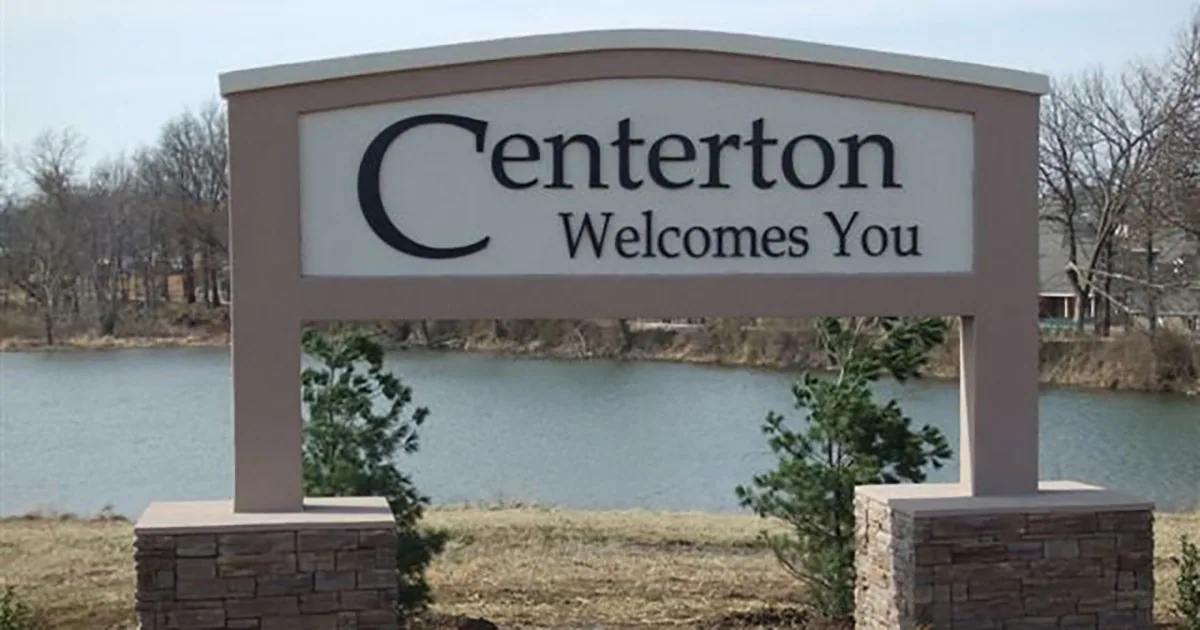
Questions About Downtown Fayetteville
Records: leave the next budget meeting a straight answer
Every walk ends with a written file: photographs by roof section, a drawing marking repairs, wet insulation and drains, and a list of recommended work in order. That file is what a lender, a new owner or an adjuster asks for. It also lets the property manager compare one building against another when the reserve budget is cut.
Owners with several properties around the metro often ask for the same report format on each. A building near the Square can sit beside a warehouse in Fayetteville Industrial Park in one capital plan, and a roof condition report keeps the comparison fair. For recurring leaks, a preventive maintenance visit before the March to May stretch catches clogged drains and loose flashing before the spring line of storms.
Commercial Roofing Questions
Can you tell what kind of roof an older Square building has before you go up?
Not from the street. A building's construction date says nothing certain about the roof, since roofs get replaced several times over a century. We check the surface, cut a small core if the owner allows it, and name the system in the written report.
What does it cost to wait through one more spring?
If the leak is at a flashing, a season of rain may only enlarge the repair. If insulation is already wet, another spring storm line can turn a patch into a replacement of the wet section, and the quote window shrinks as the damage spreads.
How do you protect a tenant with a kitchen below the roof work?
We set the work zone away from kitchen exhaust and grease, cover rooftop equipment, and agree on delivery hours that avoid service times. A call to the tenant ahead of each phase checks that the plan still suits their week.
Should the whole building be inspected after a hail report?
Yes, because hail leaves bruises across a field, not only at the spot where a stain appears. The May 2020 reports east of town reached 3.00 inches, so a full-field check is the safe way to document it for the adjuster.
Is a recover an option on an older downtown building?
It can be when the structure can carry the added layer, the insulation is dry and the code allows it. A moisture scan and a structural look decide it, and a tear-off is the plan when either one fails.
Related Commercial Roofing Pages
Read how we handle this work in Fayetteville, AR
Read how we handle this work in Fayetteville, AR
Read how we handle this work in Fayetteville, AR
Read how we handle this work in Fayetteville, AR
Read how we handle this work in Fayetteville, AR
Read how we handle this work in Fayetteville, AR
Read how we handle this work in Fayetteville, AR
Read how we handle this work in Fayetteville, AR