Commercial Roof Condition Reports in Fayetteville, AR
Get a photographed commercial roof condition report in Fayetteville, AR, with prioritized repairs, observed limits and next steps for owners and managers.
Budget season arrives, the owner asks which roof gets this year's money, and the folder holds one photo of a stained ceiling tile. A condition report ends that scramble. It is the written record of a walk across the whole roof: what is sound, what is failing, what each item costs to fix and what it costs to put off.
For a property manager in Fayetteville, AR, the same paper also answers the lender, the adjuster and the next person who inherits the building. We write it so someone who never climbed the ladder can read it, approve a work order from it and defend the number to an owner who has never seen the roof.
Record: what the walk puts on paper
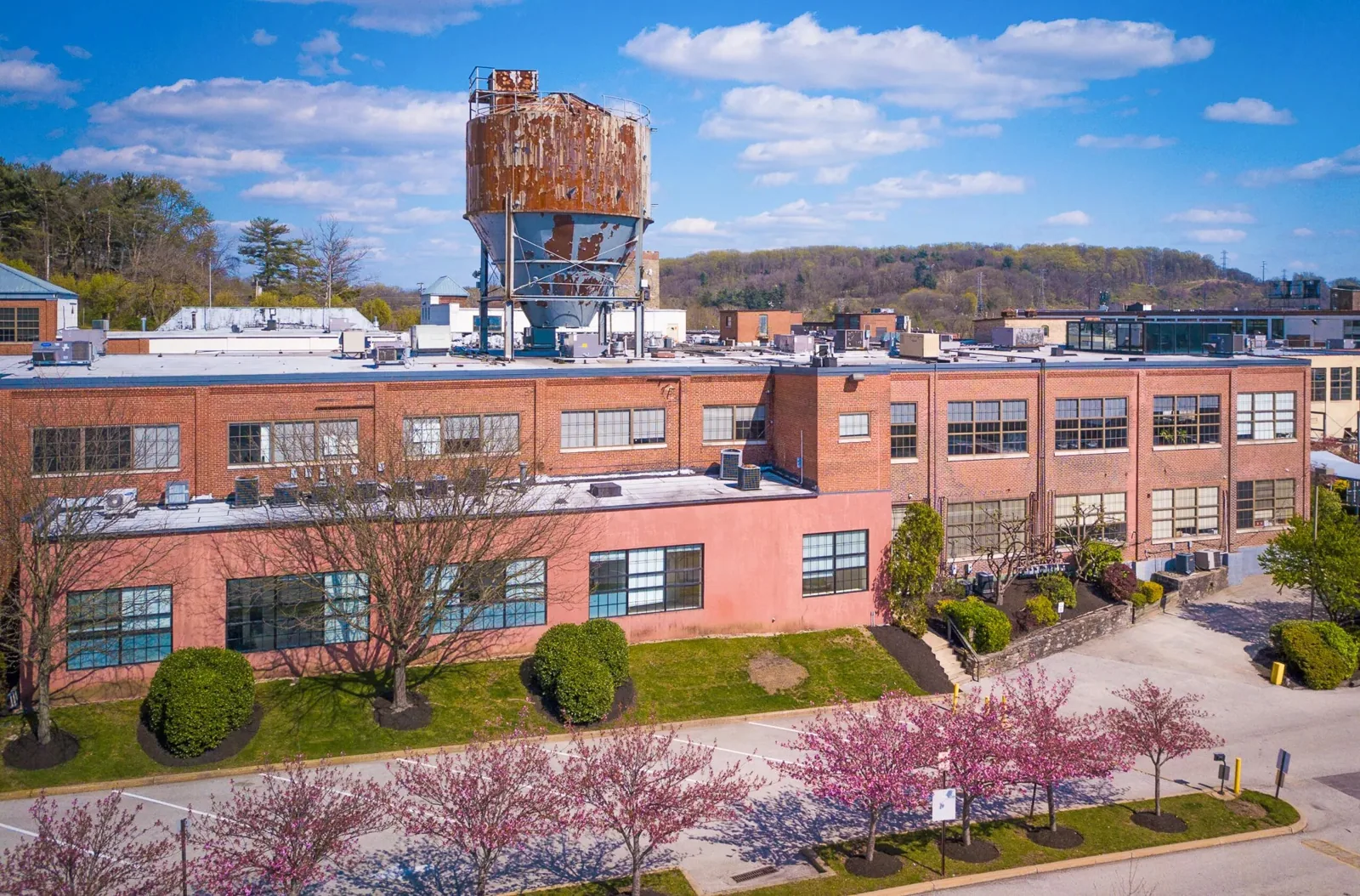
We start at the drains and work back through the edges, wall flashings, penetrations and the field. Every finding gets a photograph, a spot on the roof sketch and a plain description, so a caption reads "north parapet, third bay, coping joint open" instead of a file name nobody can place. The report names the roof system once we have confirmed it, counts the layers where a core was cut and lists each rooftop unit, vent and curb with its condition.
Some roofs need more than a walk. On a broad low-slope roof we add an infrared moisture survey to show where insulation has gone wet, and on a roof that is steep, slick or simply too long to cover on foot we start with a drone pass and follow with hands on the trouble spots. The report says which method produced which finding, so the reader knows what was seen and what was measured.
Priority: fix now, fix this year, watch
Every line carries one of three tags. Fix now means water is entering or about to: an open seam, a lifted edge, a drain that holds a pond. Fix this year means the roof still works but the detail will not make it through another wet spring. Watch means worn but dry, with a date for the next look. A manager can hand the first group to maintenance, put the second on this year's work order and leave the third on the calendar.
The tags matter because Drake Field in Fayetteville averages 46.96 inches of precipitation across about 113 days, and May alone brings 5.89 inches. A flashing gap in March is a ten-minute repair. The same gap after a wet May has soaked the board under it, and the quote now includes cutting out insulation.
Money: repair against replace, with the waiting cost beside it
The report does not stop at what is wrong. For each item we show the repair price, the likely life of the repair and what another season of waiting adds. If the field is dry and the trouble sits in a few details, the numbers favor repair. If the scan and cores show wet insulation across most of a bay, or the same seams keep reopening beside old patches, the repair line starts to look like money spent buying a few months, and the report says so.
That comparison is the part a budget committee wants. It can sit next to a planned repair quote and a replacement range on one page, so the choice rests on numbers and not on who argued loudest at the meeting.
Storm baseline: before and after the spring line
A report dated before a storm is the best evidence an adjuster can be handed. Hail of 3.00 inches turned up about a mile east-northeast of Fayetteville in NWS Tulsa's May 2020 data, alongside 2.50 and 1.75 inch stones, and then Springdale's EF3 tornado of March 30, 2022 brought an estimated 145 mph. Roofs that had a current report on file could show what changed. Roofs without one had to argue about what was already there.
After a storm we walk the same roof again, photograph from the same spots and mark new bruises, lifted trim and displaced covers against the earlier sketch. The storm repair list that follows separates what the weather did from what age and foot traffic had already done.
Access: the notes that save a second trip
A good report also records how to get onto the roof. It lists the hatch or ladder location, who holds the key, whether the way up crosses a tenant suite, which rooftop units need a shutdown before anyone works beside them and where a lift can stand without blocking a dock. On an occupied building those lines often decide whether a repair takes one morning or three.
For a hospital, a school or a retail center the report adds air intakes to protect, hours when children or customers are present and the entrances that must stay clear. An occupied-building reroof plan starts from those notes instead of rediscovering them.

Questions About Commercial Roof Condition Reports
Portfolio: one format across many roofs
An owner with a strip center in Rogers, a clinic in Fayetteville and a flex building near the Fayetteville Industrial Park, east of Fifteenth Street, needs the reports to line up. We use one layout, one tag system and one photo order, so the roofs can be ranked against each other and the weakest one gets the first dollar. That ranking is the core of roof capital planning, and the dated reports are what roof asset management keeps current from year to year.
Each building still keeps its own findings. A metal panel roof and a welded single ply do not fail the same way, and the report for each says what was checked on that system, from fastener backout on panels to weld probes on seams.
Handoff: lender, buyer and the next manager
Roofs outlast the people who manage them. The report is written to survive that turnover, with a short summary on top for the approver and the detail underneath for the crew. It lists every repair made, the date and the material, the open items and the date for the next look. A lender can read it in a few minutes, a buyer can price from it and a new manager can start from it on the first day.
Before the next capital review, gather the report, the repair invoices, any warranty papers and the leak log. If a roof has changed since the last walk, a short inspection brings the file current.
Commercial Roofing Questions
What should a commercial roof condition report include?
Photographs of each roof section, a sketch with every finding located, the roof system and layer count where confirmed, moisture results, a priority tag on each item and a cost range for the recommended work. It also lists what could not be reached, such as a section blocked by equipment, so nobody mistakes a skipped area for a clean one.
Can the report help decide between repair and replacement?
Yes, and that is its main use. It sets the cost of repair, the likely life of that repair and the cost of waiting beside the replacement range. When wet insulation is widespread or patches keep failing in new places, the numbers usually move toward replacement. When the field is dry and a few details are failing, they favor repair.
How long before a budget meeting should we schedule the walk?
Six to eight weeks is comfortable. That leaves time for a moisture scan if one is needed, for core cuts, for the written report and for a second look at anything that surprised us. A walk done the week before the meeting can still produce a useful list, but the cost ranges will be wider.
Does a report help with an insurance claim after hail?
It gives the adjuster a dated starting point, which is the hardest thing to produce after the fact. Photographs taken before the storm show the condition of the membrane, and a second set afterward shows new bruises and displaced trim. We keep storm damage and older wear in separate columns so the claim stays clean.
What do you need from us before the visit?
The building address, the roof age if you know it, past repair invoices, any warranty paperwork and a note of where tenants have reported leaks. Access details matter too, such as the hatch location and who holds the key. Missing records are fine; we build the file from the roof.
Related Commercial Roofing Pages
Read how we handle this work in Fayetteville, AR
Read how we handle this work in Fayetteville, AR
Read how we handle this work in Fayetteville, AR
Read how we handle this work in Fayetteville, AR
Read how we handle this work in Fayetteville, AR
Read how we handle this work in Fayetteville, AR
Read how we handle this work in Fayetteville, AR
Read how we handle this work in Fayetteville, AR