Roof Insurance Claim Assistance in Fayetteville, AR
Roof damage documentation for insurance claims in Fayetteville, AR: dated surveys, marked plans, hail and wind findings and estimates an adjuster can use.
The adjuster is coming Thursday, the tenant has a bucket in the hallway and the property manager has until the end of the month to file. What a manager needs between now and Thursday is a clear picture of the roof: when the damage happened, what it looks like and what it will cost to put right. A claim lives or dies on paper, and the paper has to be made before the repair changes the roof.
We document the damage, price the work and keep the record in an order a reviewer can follow. The insurer decides coverage, and the owner decides whether to accept the offer; our job is to make sure the roof's actual condition is in the file.
First week: what to do before anyone repairs anything
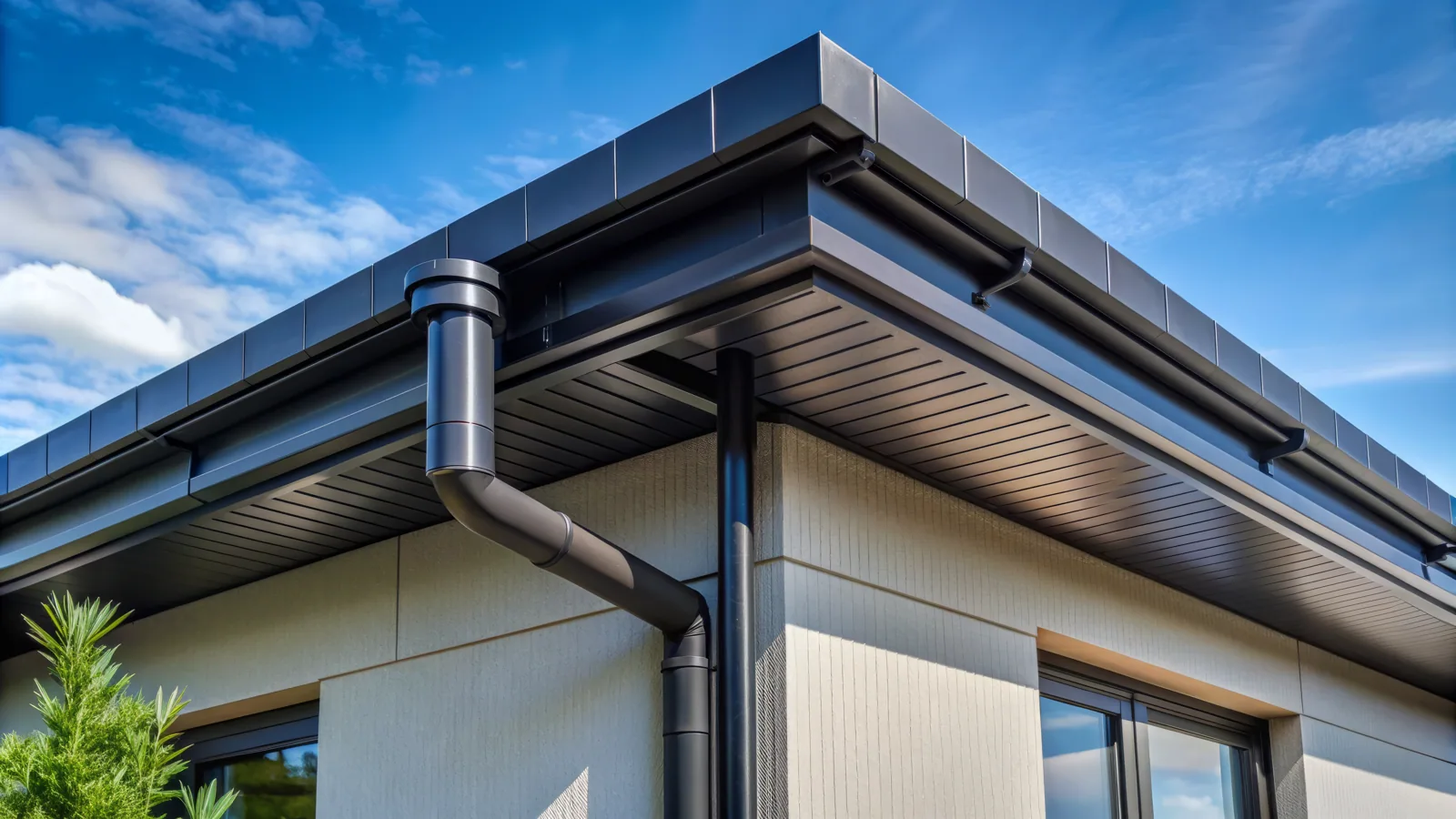
Write down the date and time of the storm and the date the damage was first seen. Take wide photographs of each elevation and close photographs of anything damaged. Stop active leaks with temporary protection and keep the receipts. Save anything that was removed from the roof. Then call us for a survey before permanent repairs begin, because a repaired roof cannot be shown to the adjuster as it was.
Our storm damage survey adds what the owner's photographs cannot: a roof plan with every defect marked and numbered, moisture readings where the surface allows, measurements and close images of impacts, tears and displaced metal. Temporary dry-in work is described as temporary, with the cost shown separately. The package is ready to hand to the adjuster the same week.
Hail: showing a bruise that does not leak
Hail reported at 3.00 inches in May 2020, about a mile east-northeast of Fayetteville, is the kind of event a claim file should be able to show. Stones that large can crush insulation under a membrane and crack a coating, and a claim for hail often turns on whether the damage is documented before it shows as a leak. A reviewer wants to see impact marks counted and located, not described in general terms.
We count marks per test area, photograph each with a scale, and show where they cluster by direction. Soft spots found with a moisture scan or a core are shown in the same package. A hail damage record like that separates fresh impacts from older wear, which is the distinction an adjuster has to make. The owner then has a basis to discuss repair versus replacement with the carrier.
Wind: separating a storm tear from age
Wind damage looks different from wear. A fresh tear in a membrane has clean edges and a direction. A lifted edge metal run shows bent fasteners and clean substrate. An old failure has dirt in it, rust or algae. Springdale's EF3 tornado of March 30, 2022 is an extreme example, and most wind claims are far smaller, but the same ideas of direction, fresh edges and debris apply.
We describe the mechanism in plain language, tie each defect to a probable cause and flag anything that looks like pre-existing wear. That clarity helps the claim, since a reviewer who sees a clean separation between storm and age tends to trust the rest. It also keeps the owner from paying to repair, at the carrier's expense, damage the carrier will not cover.
Code: what the permit may require on a bigger repair
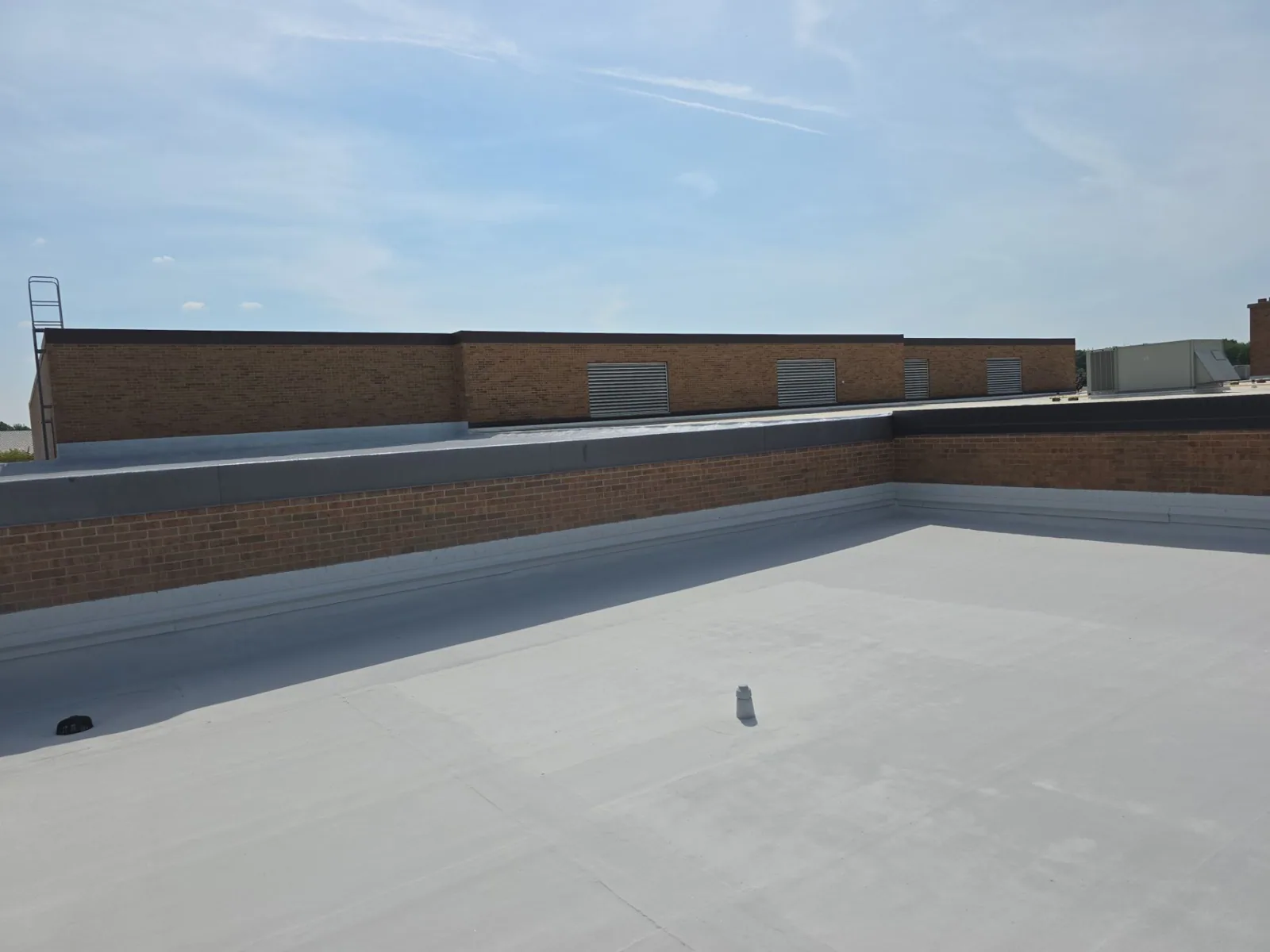
Permit review on a Fayetteville job runs under the 2021 International Building Code that Arkansas folded into its fire prevention code on January 1, 2023, with State Fire Marshal amendments, and the state still pairs it with the older ASHRAE 90.1-2007 energy baseline. When a repair grows into a partial or full replacement, the permit office applies the code in force, and some of what it asks for may not be in the first estimate.
We list code-driven items as their own lines so the owner and the carrier can see them. Whether a policy pays for them is a question for the policy, and we do not guess. What we can do is show what the permit is likely to ask for and why, so nothing is a surprise when the replacement scope is priced.
Estimate: a number the adjuster can compare
The estimate breaks the work into lines: emergency dry-in, repairs by area, replacement of damaged sections, insulation, flashing, disposal and permit. Quantities and unit prices are shown, so the adjuster can compare ours against a desk estimate item by item. Where the two disagree, the difference is usually scope, such as wet insulation the desk estimate missed, and a photograph settles it.
If the carrier's first offer is lower than the repair requires, the record is what the owner argues from. We can walk the roof with the adjuster or a second adjuster, answer questions about the work and revise the estimate when a hidden condition shows up during tear-off. Supplement requests go in with photographs of what was found, the measurement of the extra area and a line saying why the first estimate could not have seen it. The decision on what to accept stays with the owner, and we write the supplement list so it can be forwarded as is.
Timing matters on a claim as much as on a repair. Policies set windows for filing and for completing work, and a leak that continues while paperwork is pending will soak more insulation and enlarge the scope. We schedule the survey quickly, keep temporary protection in place, and give the manager a dated checklist: what has been filed, what the adjuster has asked for, what is outstanding and when the permanent work can start. That list is short, and keeping it current prevents the common delay where everyone assumes someone else has the next step.
Questions About Roof Insurance Claim Assistance
Local: claims across the metro
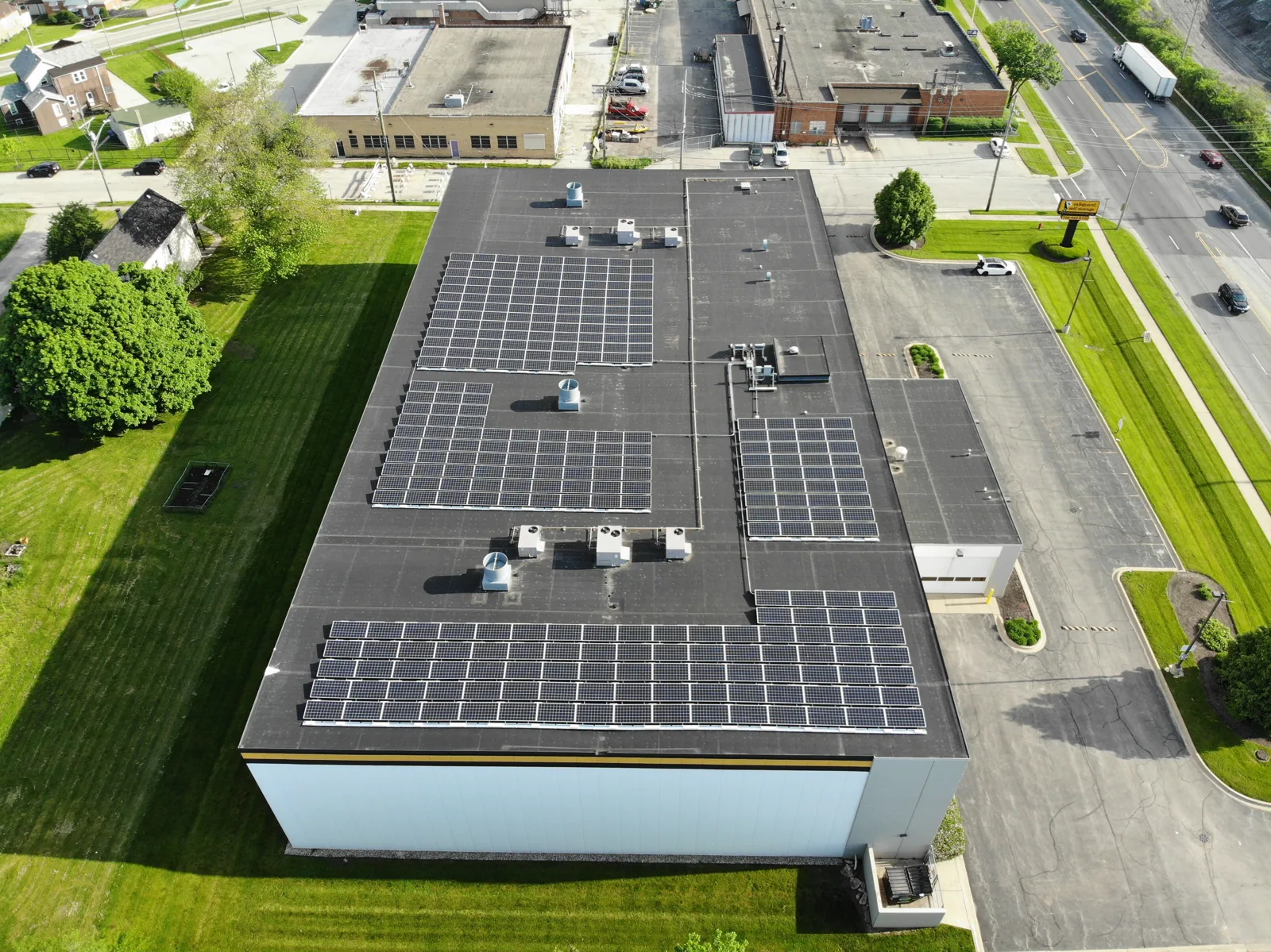
Washington Regional Medical Center, the University of Arkansas and the VA Medical Center are among Fayetteville's largest employers, and institutional buildings of that kind usually carry more than one roof section. On any large building a claim can involve several roof sections, a mix of ages and tenants on every floor, so the record names each section and its condition separately and ties every photograph to a numbered spot on the plan.
Owners in Fayetteville, Rogers and Springdale who hold several buildings can have the surveys done in one visit schedule and delivered as one package, with a summary page that totals the claim by building. That saves the adjuster a trip and gets the owner an answer faster, and the final scope, photographs and supplement list stay together in one file for the next lender or buyer.
Commercial Roofing Questions
Do you file the claim for us?
No. The owner or the property manager files with the insurer. We prepare the survey, photographs, roof plan and estimate that go with the claim, and we meet the adjuster on the roof if asked.
What if we already made temporary repairs?
Keep the receipts and the photographs, and tell the adjuster what was done. We document the temporary work as temporary and show the condition of the permanent roof around it.
How do you tell hail damage from age?
By pattern and freshness: round impacts in a consistent direction, clean fractures and bright metal dents are storm marks, while dirty, rusted or algae-filled defects are older. The report shows both.
Will the carrier pay for code upgrades?
That depends on the policy. We list code-driven items on separate lines, so the owner can ask the carrier about them directly.
How long should we wait before starting a repair?
Not long if water is entering, because temporary protection is allowed and expected. For permanent work, wait until the adjuster has seen the damage or approved your photographs.
Related Commercial Roofing Pages
Read how we handle this work in Fayetteville, AR
Read how we handle this work in Fayetteville, AR
Read how we handle this work in Fayetteville, AR
Read how we handle this work in Fayetteville, AR
Read how we handle this work in Fayetteville, AR
Read how we handle this work in Fayetteville, AR