Commercial Roofing in Huntsville, AR
Commercial roofing in Huntsville, AR for industrial, retail and public buildings: leak repair, inspections, coatings and replacement planning by budget.
A maintenance supervisor puts a bucket under a drip and calls the property manager, because the production schedule is not going to stop for a roof. That call is a familiar one in Huntsville, AR, the Madison County seat, where about 2,879 people lived at the 2020 count and where larger employers include Butterball, Ducommun, Walmart, Lew Thompson & Sons and Packers Sanitation Services. A roof on a working building has to be repaired or replaced around people and equipment. We price that coordination in from the start.
What any of those employers has on its roof is settled on the walk. We ask what the building is, what sits on top, and when the work can happen.
Plant and warehouse roofs: count the penetrations first
An industrial roof carries more than a membrane. It carries exhaust fans, makeup air units, vents, conduit runs and often a pile of abandoned curbs from equipment that left years ago. Each penetration is a joint, and each joint is where water gets in. On a first walk we count them, test the sealant at each one, and flag the ones that no longer serve anything.
Removing a dead curb and closing the deck is often the cheapest leak fix on the roof. We tell you which penetrations are live before touching any of them, because cutting the wrong conduit stops a line. A manufacturing plant roof gets a drawing of curbs and penetrations with the plan, so maintenance staff can see what we saw.
Cold weeks: what Fayetteville's record tells an owner here
Fayetteville's Drake Field hit minus 20 F on February 16, 2021, the eighth-coldest reading Arkansas has recorded, while a typical year brings about ten days that never climb above freezing. Fayetteville's record shows what a roof in this part of Arkansas can be asked to take. A pinhole that takes in water will freeze, spread and start the cycle over.
Plants add a second stress. A warm interior under a cold roof drives vapor upward, and a roof with poor air sealing can condense water inside the insulation. When we find a wet spot with no visible opening, we consider vapor drive before assuming a hidden leak. An infrared moisture survey maps the wet area and shows which explanation fits.
Getting there: trucks, lifts and quote windows
US 412 and Highways 23 and 74 serve Huntsville, and the town has a municipal airport. For a roofer, that means material deliveries come by truck on US 412 and the state highways, and a lift or crane staging area has to be found on the owner's lot. We look at the access route, the turn radius for a delivery truck and the room for a dumpster before writing a number.
Quote windows matter on a larger job. Material lead times on membrane, insulation and metal can run for weeks, so a plan that starts in winter for a summer replacement gives the best price and the least rush. For a plant, tear-off dates follow shifts and shutdowns, and we use occupied building reroofing methods when production cannot pause.
Rain and drains: where a big roof sheds its water
By the Fayetteville gauge, a year brings close to 47 inches of precipitation across some 113 wet days, and May tops the list at 5.89 inches. A wide industrial roof collects all of it and sends it to a handful of drains, scuppers or gutters. When one of those is clogged, the water finds the low point and ponds against a seam.
We walk the drainage path from the high side to each outlet, look for debris, check the slope around the drain and watch for stained membrane that shows where water has stood. A scupper that discharges onto a loading apron or walkway needs a look too, because a winter freeze there turns runoff into ice. Fixing drainage is usually the cheapest improvement on the whole roof, and it protects every other dollar spent on it. For buildings that need more outlets, the drain and scupper work is priced separately so you can approve it first.
Repair or replace: what the core cut tells you
A core cut is a small round sample through the roof layers. It shows the membrane, the insulation, the deck and, most important, whether the insulation is wet. Dry insulation under a worn membrane points toward repair, a coating or a recover. Wet insulation across a wide area points toward replacement.
We pair the cut with seams, flashing and drain checks, then give you a written comparison with rough budget ranges. A roof coating can extend a dry, sound membrane and spread the spend over several years. A full tear-off costs more now and clears the file. The comparison, not a sales pitch, drives the reserve line.
Questions About Huntsville
Public and retail buildings in a county seat
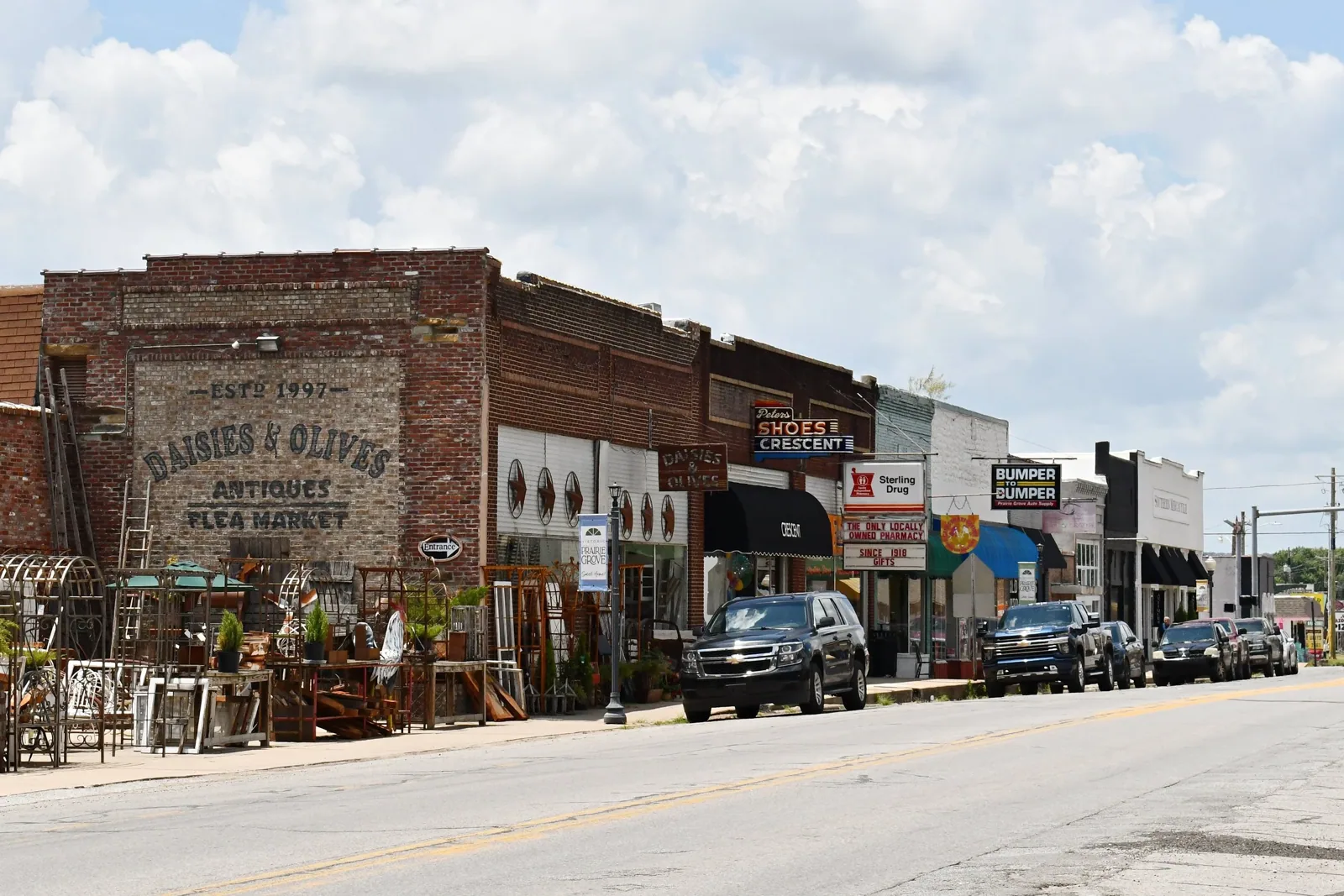
A county seat brings government offices, retail along the highways and service buildings to a small town. The same inspection logic applies to all of them, but the schedule changes. A government building follows a budget cycle and a bid process. A retail space follows tenant hours and deliveries. We fit the visit to whichever calendar rules the building, and we write the report so it can go into a board packet or a lease file.
Owners with buildings in Huntsville and farther west can combine visits with Hindsville, about nine miles away by US 412. Madison County owners then get one trip and two reports.
Commercial Roofing Questions
We run production through the week. How do you schedule roof work?
We plan around shifts, shutdowns and deliveries, and we stage tear-off in sections so the roof is never open at the end of a day. Short repairs can run in a single morning. For larger scopes we agree on a work window with the plant manager, with protection over sensitive equipment.
How can I tell if a roof leak is coming from a penetration or from the membrane?
Start with the stain location and work uphill, because water usually enters several feet from where it drips. Penetrations, curbs and wall tie-ins fail more often than the open field. We test those first and confirm with a moisture scan when the source is not obvious.
How soon after a hard storm should a plant roof be walked?
Within a few days, before the next rain, and sooner if anything is dripping onto equipment or product. Wind and hail leave bruised membrane, loose edge metal and cracked sealant that do not leak at once. A photographed walk gives the adjuster a clean record and gives you a repair list ranked by risk.
What does a coating cost compared with replacement?
A coating costs less per square foot than a tear-off and avoids disposal, but it only works on a dry roof with a sound surface. We test first and price both. If the roof qualifies, the coating can spread the spend across several budget years.
Should I worry about heat as well as cold?
Heat matters too. Drake Field in Fayetteville averages July highs near 88.7 F and has reached 111 F, so membranes see wide swings between summer and winter. Seams and flashings absorb that movement, and we check them in both seasons.
What records should maintenance keep after each roof visit?
Keep the dated photographs, the sketch of curbs and penetrations, the list of repairs with locations, and any moisture results. Those four items let the next contractor pick up where we left off, and they give the capital line a factual basis when the budget meeting arrives.
Related Commercial Roofing Pages
Read how we handle this work in Fayetteville, AR
Read how we handle this work in Fayetteville, AR
Read how we handle this work in Fayetteville, AR
Read how we handle this work in Fayetteville, AR
Read how we handle this work in Fayetteville, AR
Read how we handle this work in Fayetteville, AR
Read how we handle this work in Fayetteville, AR
Read how we handle this work in Fayetteville, AR