Grocery Store Roofing in Fayetteville, AR
Grocery store roofing in Fayetteville, AR: refrigeration curbs, condensate lines, leak repair and phased reroofs that keep the sales floor and coolers running.
A grocery store roof carries more equipment per square foot than most retail roofs, and every piece of it is tied to something that can spoil. The refrigeration condensers, the exhaust from the bakery and the deli, the condensate lines and the air handlers all sit on the roof, and the product they protect sits directly below. A leak over a cooler case is not just a ceiling stain. It is a food safety call, a markdown and a work order. In Fayetteville, AR the roof is where a store manager's worst Tuesday begins.
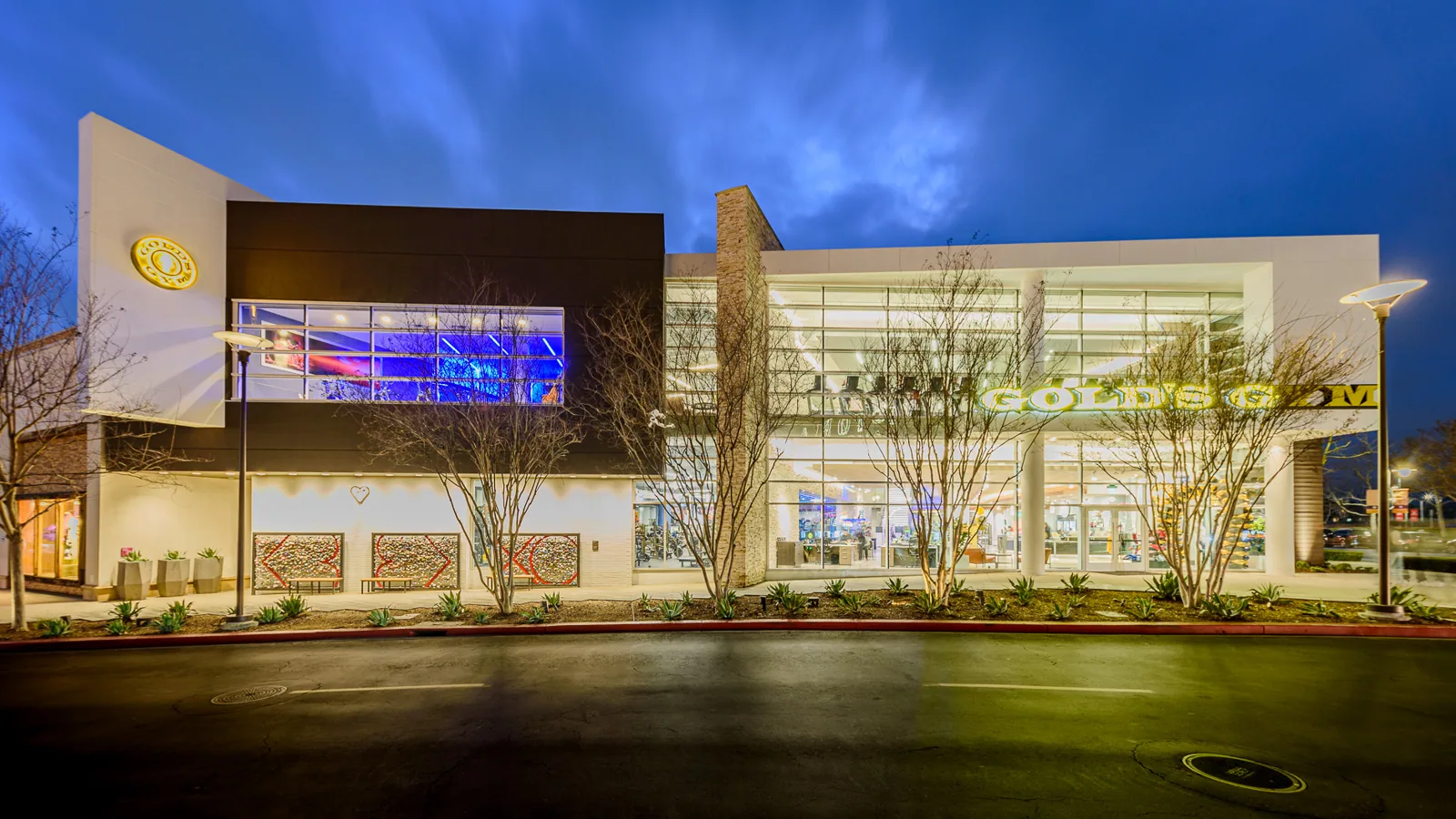
Rooftop load: condensers, exhaust and the curbs under them
Grocery roofs carry refrigeration condensers, sometimes in banks, plus makeup air units, kitchen and bakery exhaust, and long runs of piping that cross the surface. Every unit sits on a curb or rail, and every pipe crossing is a place where the membrane can be punctured or abraded. When a refrigeration contractor services a condenser, the technician walks the roof in boots, sets tools down and sometimes drags hose across the sheet.
We walk the equipment first. Curbs are checked for height and flashing condition, pipe supports for contact with the membrane, and walk routes for wear. Where service traffic is steady, we lay protective walk pads and move the supports off the sheet. Work on rooftop equipment curbs and supports is usually where a grocery leak gets stopped for good.
Summer heat: what refrigeration does to a roof surface
July highs average 88.7 F at Drake Field, and the record stands at 111 F with about three days a year above 100 F. Condensers push hot air off the roof just as the sun heats the sheet, and a dark membrane around a bank of condensers can run much hotter than the air. Heat ages seams and flashing faster, and it softens some adhesives.
A reflective surface helps the roof and also eases the load on rooftop equipment. In a TPO or similar white membrane, the area around condensers is where we watch for early wear. If the store is also working with a landlord on a reserve budget, we can price a reflective upgrade alongside a repair so the owner sees both numbers. We keep the work away from condenser fans, and the refrigeration contractor is in the loop before any unit is moved.
Leak call: what to do before the crew arrives
When a drip lands over a cooler, the store acts first. Move product, cover the case, and put a bucket or a plastic sheet in place. Take photographs. Then call us with the address and a rough location of the stain. We send a crew to find the entry and dry it in, and the photographs go in the file.
The entry point is often far from the stain. Water runs along the deck, follows the insulation seams and drops where the structure lets it. We trace it by walking the roof along the path, probing the seams and checking every curb and penetration on the way. A dry-in the same day stops the loss. The permanent repair follows once the roof is dry and the weather allows, and we write the cost and timing before the work order is signed. If the leak is in a cold-weather week, adhesives and sealants cannot cure properly, so the dry-in holds until a workable day and the manager gets a date, not a guess. A store with a freezer wall gets a second look at the roof edge above it, where condensation and ice can mimic a leak.
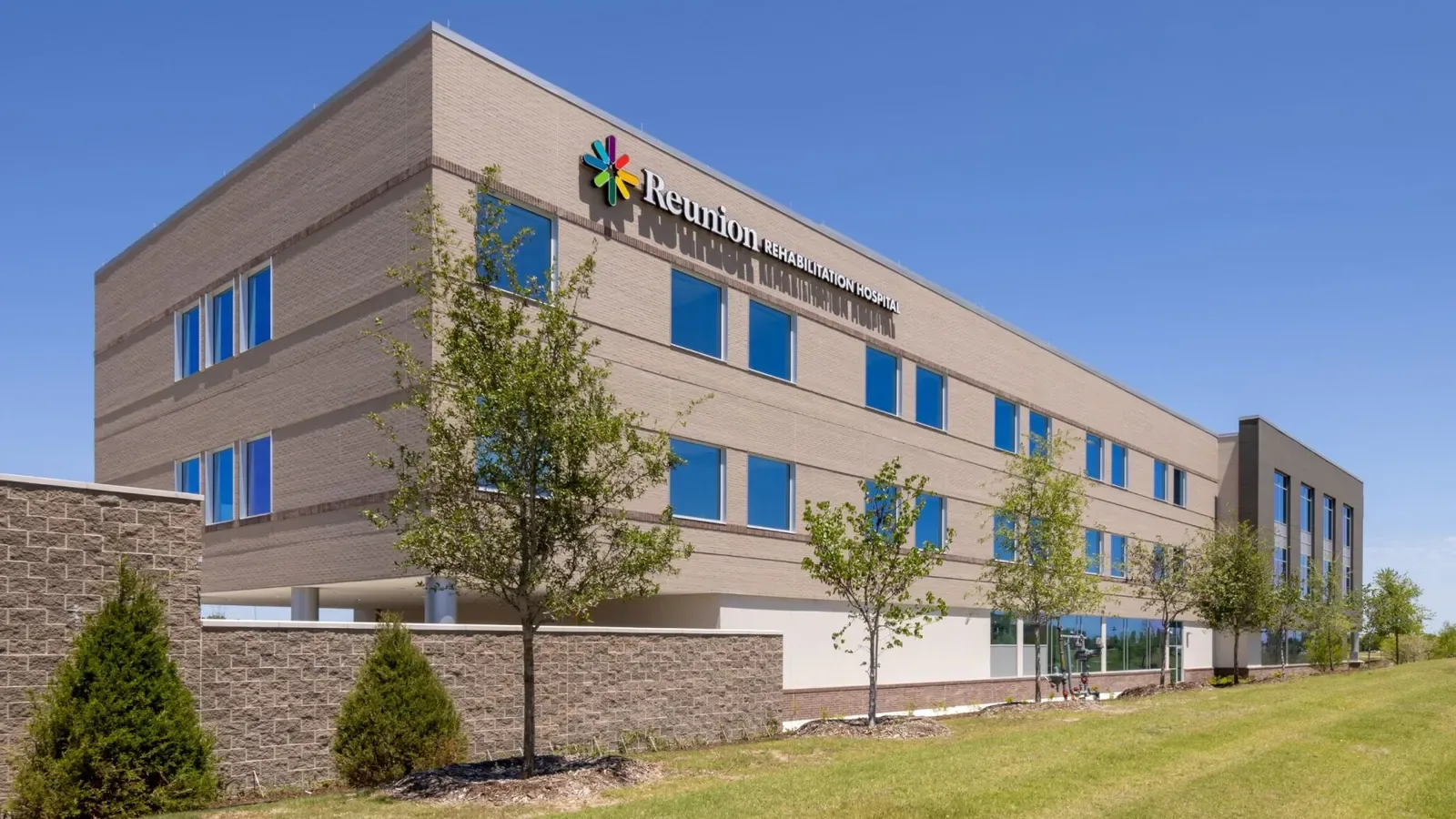
Store hours: working over a floor that never closes
Many grocery stores are open from early morning until late evening, and the receiving dock runs on its own clock. Loud or dusty work is planned for the hours the store can best absorb it, often the early morning or the slow midweek stretch. The hoist and staging area are kept away from customer doors, cart corrals and the dock, and trucks come and go on a written route.
This is a region of food processing and freight, with Tyson, Cargill and George's operating in Springdale and J.B. Hunt running more than 12,000 trucks out of Lowell, and a store's delivery windows do not move for a roofing crew. We ask the store manager for the dock schedule and plan around it. Interior protection covers any area under an open deck, and no section opens unless it can be dried in by closing time.
Hail and wind: the storm-week checklist
Hail of 3.00 inches landed a mile east-northeast of Fayetteville in the May 2020 storm. A hit like that bruises membrane, cracks condenser fins and breaks skylights over a sales floor. After a storm we check the refrigeration units for damage first, since a dented condenser is both a roof problem and an equipment problem, and then walk the roof surface.
We document each mark with photographs and a roof plan, which supports the insurance claim and the adjuster visit. For a store with an urgent leak, the same crew that surveys can dry in on the spot. The paperwork is easier when the photographs exist.
Questions About Grocery Store Roofing
Capital line: repair, recover or replace
A grocery roof near the end of its life becomes a budgeting question. A roof with scattered failures but dry insulation may take a recover without disturbing the sales floor. A roof with wet areas under the condensers or around the drains may need partial tear-off. Replacement is the right call when leaks keep returning in different places. We price each path with a repair history beside it and a drawing that shows where equipment must be lifted. A store in Fayetteville with a bakery or deli has its own exhaust to plan around. A bakery or deli vent raises the same grease questions as a restaurant roof, and a store sharing a lot with big boxes follows the same staging rules as a big-box retail roof. Each path lists the weight of the condensers to be lifted, the crane day and the tenant or store notice, so the budget includes every line.
Commercial Roofing Questions
Can a grocery store roof be replaced while the store stays open?
Yes, in sections. We phase the work over the sales floor, dry in each section before closing time and protect the interior below. The refrigeration contractor handles any condenser moves, and the store gets a written schedule with dock and delivery hours marked.
What should the store do if water drips over a cooler?
Move product, cover the case and photograph the drip, then call. A same-day crew can find the entry and dry it in. The photographs and a note on the time the leak started help with product loss records and any claim.
Why do leaks keep returning near refrigeration units?
Service traffic, vibration and heat wear the sheet and flashing around the units. Pipe supports can rub through the membrane, and curbs can sit low after past reroofs. A walk pad and a rebuilt curb usually end the cycle.
Is a white roof worth it on a grocery building?
It can lower surface temperature and ease the load on rooftop equipment during the heat of July, when highs average near 89 F. We price it against the roof's condition and age, since a reflective upgrade makes the most sense when the roof is being replaced or recovered anyway.
Who is responsible for damage caused by an equipment technician?
The lease and the service contract answer that. We help by photographing the roof at each visit and logging repairs by location, so the manager can show when damage appeared and who was on the roof.
Related Commercial Roofing Pages
Read how we handle this work in Fayetteville, AR
Read how we handle this work in Fayetteville, AR
Read how we handle this work in Fayetteville, AR
Read how we handle this work in Fayetteville, AR
Read how we handle this work in Fayetteville, AR
Read how we handle this work in Fayetteville, AR
Read how we handle this work in Fayetteville, AR