Cool Roof Installation in Fayetteville, AR
Reflective roof membranes and coatings for Fayetteville, AR buildings, weighed against winter cost, hail, freeze-thaw weeks and the adopted energy code.
The upper-floor tenants complain in July, the cooling bill runs high and the property manager wonders whether a white roof is the answer. Sometimes it is, and sometimes it is a poor use of a reserve line. In Fayetteville, AR the case is real but not one-sided: July highs average 88.7 F at Drake Field, highs above 100 F occur about three times a year and the all-time record is 111 F, yet winter reached minus 20 F on February 16, 2021.
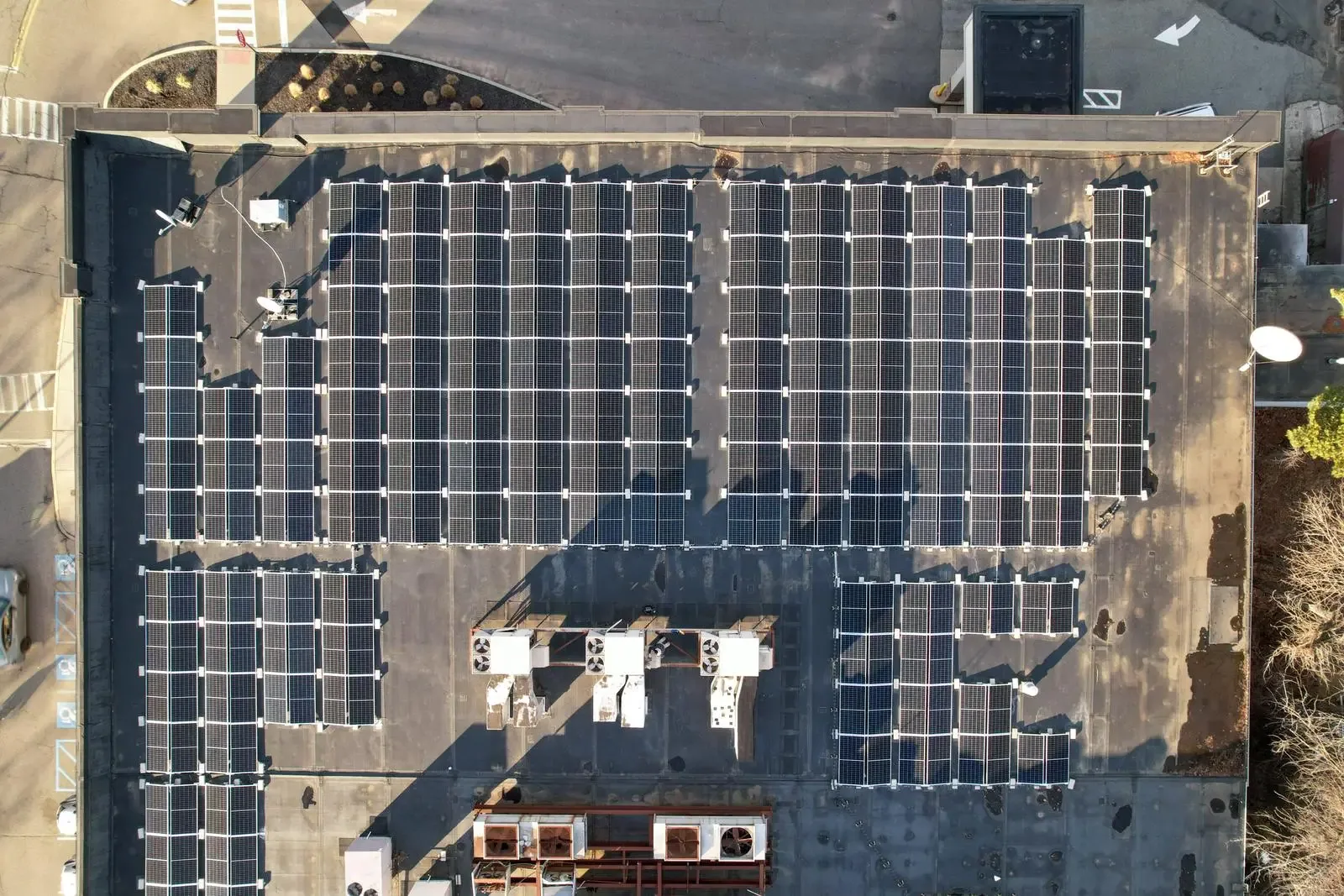
A cool roof sends more sunlight back and sheds more of the heat it absorbs. It helps most where cooling load is large and the roof is already due for work. It helps least where winter heating dominates or where the roof is failing anyway. We give a manager the numbers to tell which case is theirs.
Fit: when a reflective surface pays
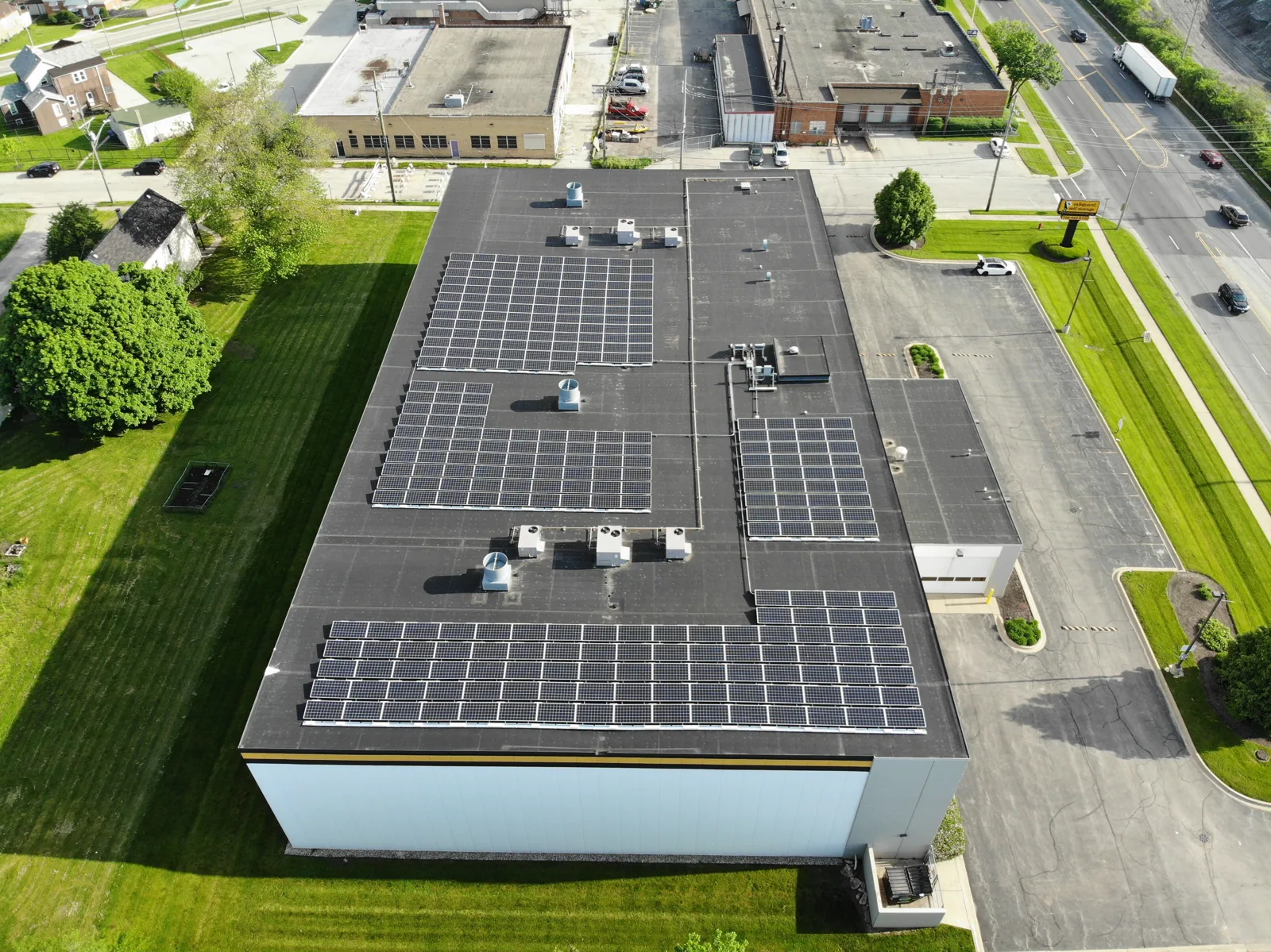
The strongest cases share a few traits: a conditioned interior with a large share of load through the roof, rooftop units that run hard through summer and a membrane that needs replacing or recoating soon. A reflective surface added at that moment costs little over a standard one. Added to a healthy dark roof just to change its color, it costs more and returns less.
We look at what the building holds. An office, a school or a clinic with upper floors under the roof feels the difference. A cold-storage or food building may feel it even more. A building with little conditioned space under the deck, or one that is heated far more than cooled, gets a smaller return. A short conversation about the building's use and bills often settles it before any material is priced.
Options: membrane, coating or metal
A reflective TPO or PVC sheet is the usual choice on a replacement, because the white face comes from the factory. A sound existing roof can take a reflective coating instead, either acrylic or silicone, after a scan for wet insulation and an adhesion test. Metal roofs accept reflective finishes. Built-up roofs can be topped with a reflective cap or coating.
Each has a different cost and life. A coating is cheapest and fastest, extends the roof for a limited time and needs a recoat. A new reflective membrane costs more and lasts longer, and it brings its own warranty. The quote lays the options out side by side, in plain figures, with the cost per year of expected service, so the manager can pick on money and not on color.
Cost drivers are plain. A coating's price follows the area, the preparation, the number of coats and the fabric at seams and penetrations. A membrane's follows tear-off or recover, insulation, edge metal and flashing. Access and phasing add to both, and so does a tight calendar: a crew booked in the first dry week after a storm line costs more than one booked in a quiet month. We give an earliest practical start for each option and the weather window it needs.
Winter: what a white roof gives back in the cold
Winter brings about 6.5 inches of snow and around 10 days of freezing highs, and a white roof reflects some winter sun that a dark one would absorb. In a heating-dominated building that costs something. In a cooling-dominated one it rarely matters, because winter sun is weak and low, and snow covers the roof either way.
The larger winter question is moisture. A reflective surface does not change how the assembly handles condensation or meltwater, and a roof that traps moisture stays wet in any color. We check insulation, vapor control and drainage before color. Freeze-and-thaw weeks stress seams on all surfaces, and our fall check applies equally to a white roof and a black one.
Code: what the energy rules say here
Energy rules for commercial buildings in Arkansas trace to ASHRAE 90.1-2007, the 2009 IECC, in effect since January 1, 2015, with no newer commercial adoption listed. When a roof is replaced, the permit office applies what is in force, and we confirm the requirements for insulation and surface properties before pricing.
Because the edition listed is an older one, the permit minimum can sit below a sensible target. We show both: what the code requires and what we recommend for lower operating cost. The owner can then decide how much of the insulation upgrade to take now, and the reflective surface becomes one part of a larger energy picture, not a stand-alone purchase. Owners who plan a recoat in a few years can still ask for reflectivity now, and the quote shows the extra cost of a white finish over a standard one.
Upkeep: keeping a white roof white
Dirt, pollen, leaf stain and algae dull a reflective roof, and a ponded area collects a ring that holds heat. A wash at the end of the pollen season restores much of the surface, provided the laps are sound and the water pressure is moderate. A coated roof also needs a yearly look at the film, which thins at foot-traffic routes and around curbs.
We add that check to a preventive maintenance visit and record the condition. Hail also matters, since stones can crack a coating or bruise a membrane, so a post-storm look protects the investment. A reflective roof earns its savings only while it stays sound.
One more item belongs in the budget: the roof record. We log the product, the reflectance rating, the date and the thickness readings for a coating, so a later owner or an energy auditor can see what was installed. If a utility or a lender asks for documentation of the roof surface, the record answers in a page instead of a search through old invoices.
Questions About Cool Roof Installation
Local: buildings that benefit
Fayetteville's biggest employers sit in education, health care, retail and government, which points to many buildings with conditioned space under their roofs. Industrial buildings in the Fayetteville Industrial Park are a separate case. Each of those buildings still starts with a walk and a core, since the cooling case depends on what sits under the deck.
For owners in Fayetteville and Rogers, the question is usually timing: coat now to extend a roof, or wait and install a reflective membrane at replacement. We price both paths on the same page and let the budget and the roof's condition choose.
Commercial Roofing Questions
Does a cool roof save money in Arkansas?
It can, where cooling load is large and the roof is already due for work. The saving depends on the building, and we estimate it from use and equipment rather than quoting a flat figure.
Will a white roof raise my winter heating cost?
Slightly, in some buildings, because it reflects winter sun. In cooling-dominated buildings the effect is small. We weigh both before recommending a surface.
Can I coat my existing roof?
If the membrane is sound and the insulation is dry, usually. A scan, a few cores and an adhesion test come first, since a coating cannot fix wet insulation.
Does the energy code require a reflective roof?
The edition listed for Arkansas commercial buildings is older and we confirm what the permit requires for your project. We show the code minimum and the level we recommend.
How long does the reflectance last?
It declines with dirt and wear, and the pace depends on the site. A yearly wash and a film check slow the loss, and we record the condition at each visit.
Related Commercial Roofing Pages
Read how we handle this work in Fayetteville, AR
Read how we handle this work in Fayetteville, AR
Read how we handle this work in Fayetteville, AR
Read how we handle this work in Fayetteville, AR
Read how we handle this work in Fayetteville, AR
Read how we handle this work in Fayetteville, AR