
Commercial Roofing in Siloam Springs, AR
Commercial roofing in Siloam Springs, AR for industrial, school and retail buildings: roof inspections, repairs, coatings and replacement budgets.
Two calendars govern roof work in Siloam Springs, AR: the production schedule and the school year. The city had 17,287 residents in 2020 on the western edge of the metro, and its employers include Simmons Foods, Gates Corporation, La-Z-Boy, DaySpring, Cobb-Vantress and John Brown University. A plant manager wants the roof fixed without a line stopping. A campus facilities director wants it done before students return. Both need a quote window, a work order and a budget line that match the calendar they live by.
We write the scope to fit that calendar, then show the repair and replacement numbers side by side.
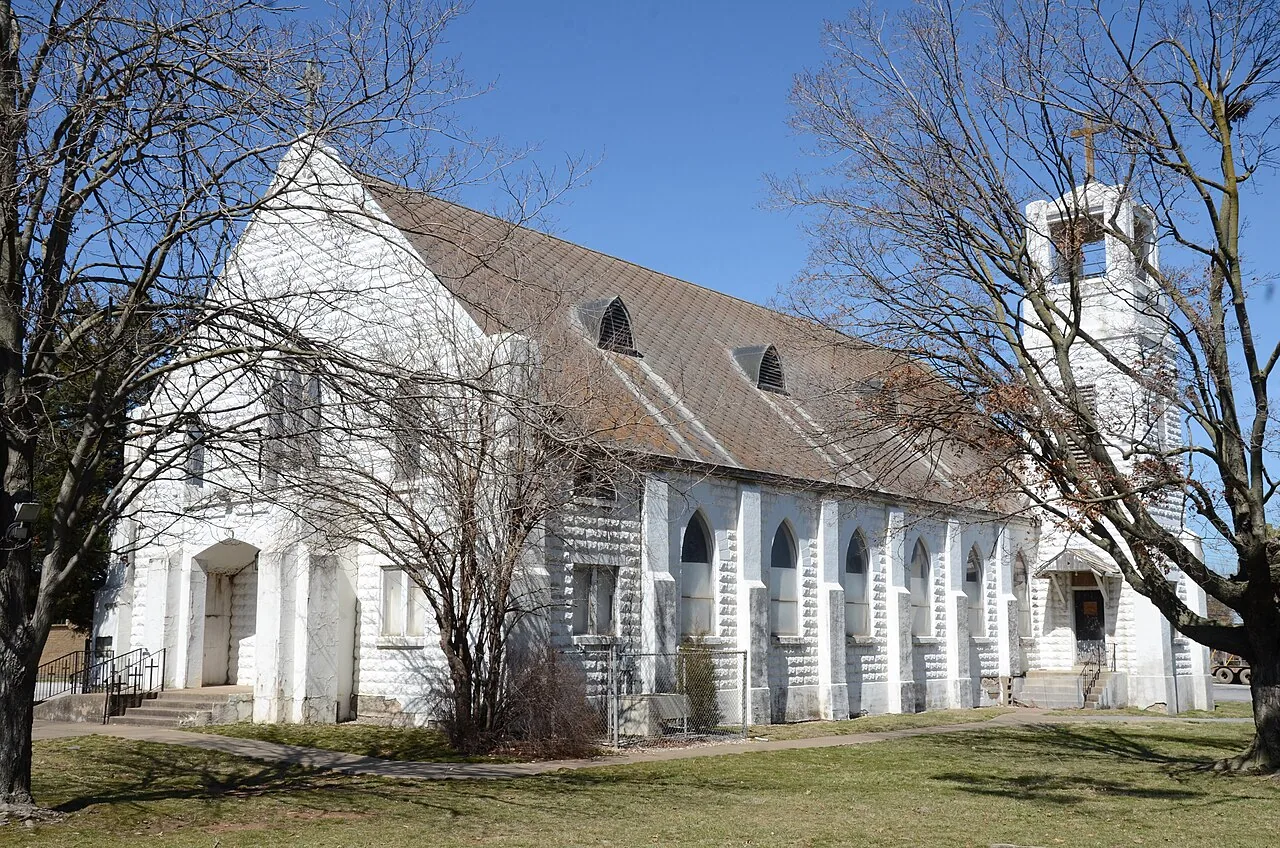
US 412: delivery routes and mobilization
US 412 links Siloam Springs to Tulsa, Bentonville, Fayetteville and Springdale. For a roofing job, that highway is the supply route for membrane rolls, insulation, metal panels and the crew itself. Large deliveries need a place to stage, and a crane or lift needs level ground and clearance from power lines. We check the lot, the truck turn and the overhead before pricing.
Owners with buildings in Siloam Springs and in Bentonville or Springdale can ask for a combined schedule along the same highway. Each building still gets its own report and its own number, so the capital lines stay separate.
Weather can also decide the schedule on a long haul. A storm line that stalls a delivery truck outside the area pushes a tear-off a day, and a crew that has opened a section has to be ready to close it. We keep temporary membrane and tarps on site for exactly that reason, and we watch the forecast the morning of every open-roof day.
Industrial roofs: penetrations, ponding and downtime
Plants and processing buildings tend to carry a lot of rooftop equipment, and each unit puts curbs, boots and conduit into the membrane. We walk the roof with a sketch, count the penetrations and test the flashing at each. Dead curbs from retired equipment get capped or removed, because every opening is a future leak.
Drainage gets equal attention. Close to 47 inches of precipitation falls in a typical Fayetteville year, which means a roof that holds water gets tested often. Ponding near a drain or a low spot shortens membrane life and puts load on the deck. If the roof needs more outlets or a recut slope, the drain and scupper work comes as a separate line, so the owner can approve it first.
First walk: what gets marked before anyone quotes
The first visit is a working walk, not a sales call. We open drains, probe seams, press on flashing, tug at coping and look at every penetration. Where a ceiling stain suggests a path, we follow the water uphill until it meets a defect. We photograph each finding with a location, then sort it into urgent, this year or watch.
That list becomes the scope. An owner who gets it can approve the urgent items the same week, put the second group on the work order and carry the rest on the reserve sheet. A commercial roof inspection report formatted this way travels well: it can go to a lender, an insurer or a board without anyone asking what a line means.
Education and campus buildings: the summer window
A university or school roof has a short good season. Work that can disturb classes, labs and offices belongs in summer and breaks, and the bid has to line up with the date a building must reopen. That puts pressure on lead times, so a replacement planned the winter before beats one ordered in May.
For a campus with several buildings, we rank the roofs by condition and consequence and spread the replacements across years. A college and university roofing plan lists each roof with its photographs, moisture results and repair history. Facilities staff can present it to a board without rewriting it.
Winter and storm season: what we watch for
Fayetteville recorded minus 20 F on February 16, 2021, and averages about 6.5 inches of snow a year with roughly ten days of highs below freezing. A cold snap crossing Northwest Arkansas reaches the western edge of the metro too, and Siloam Springs roofs go through the same freeze-and-thaw weeks. Freeze-and-thaw weeks drive water into small gaps and widen them.
Spring brings the storm line. The region saw 3.00 inch hail by Fayetteville in May 2020 and an EF3 tornado over Springdale on March 30, 2022. Once a storm line has passed we look for bruised membrane, cracked edge metal and dented units, then document them for the adjuster. A roof insurance claim goes smoother when the photographs are dated and the damage is mapped.
Questions About Siloam Springs
Repair or replace: how the evidence settles it
The decision rests on three facts: how wet the insulation is, how sound the deck is and how many patches the roof already carries. A core cut and an infrared scan answer the first. A walk answers the others. Dry insulation under a worn surface points toward a repair or a coating. Widespread wetness points toward a new roof.
Costs follow the scope: tear-off, penetrations, access and the tenant or student protection around the work. We put the numbers on one page with the timing, so the property manager can get approval in one meeting.
Where a roof is only partly worn, a recover overlay over dry insulation can save the tear-off. Where the insulation is wet or the deck is soft, the old roof has to come off. We show the core sample so the owner sees the reason, not just the recommendation.
Commercial Roofing Questions
We need the roof work finished before classes start. How early should we begin?
Plan the bid in winter and order materials by early spring, since membrane, insulation and metal have lead times. Tear-off then fits late spring or summer, with weeks held back for rain. A late order forces a rush price and leaves no slack for weather.
A production line sits under the leak. What is the first step?
Protect the equipment and stop the water from above with a temporary seal. Permanent repair waits for a dry window and gets scheduled around shifts. Photograph the damage and the date for the adjuster, and keep any wet material until it has been logged.
Does a roof walk after a storm need to cover the whole building?
It should cover every roof section with evidence of impact and the details next to them. A quick pass on the rest catches problems that spread from a damaged area. We photograph each section and mark the findings on a roof sketch.
How do I compare two different roof system quotes?
Compare the full scope: tear-off, insulation, attachment, flashing, tenant protection, the warranty terms and the exclusions. A cheap number with a short scope often leaves out work that appears later as a change order. We list each item so the comparison is fair.
Can we group several buildings into one plan?
Yes. We write a report for each building, rank the findings across the group and propose a schedule that spreads the spend. The worst roofs get the first work orders, and the rest get watch notes with dates.
Which comes first on a plant roof, drainage or the membrane?
Drainage. A membrane in good shape still fails if water sits on it, and a repair on a ponded area does not last. We clear and test the outlets, correct slope or add drains where the roof needs them, and then repair the membrane. Doing it in that order protects the spend.
Related Commercial Roofing Pages
Read how we handle this work in Fayetteville, AR
Read how we handle this work in Fayetteville, AR
Read how we handle this work in Fayetteville, AR
Read how we handle this work in Fayetteville, AR
Read how we handle this work in Fayetteville, AR
Read how we handle this work in Fayetteville, AR
Read how we handle this work in Fayetteville, AR
