
Commercial Roofing in Pea Ridge, AR
Commercial roofing in Pea Ridge, AR: older downtown storefronts, roof inspections, repairs and replacement budgets for owners and property managers.
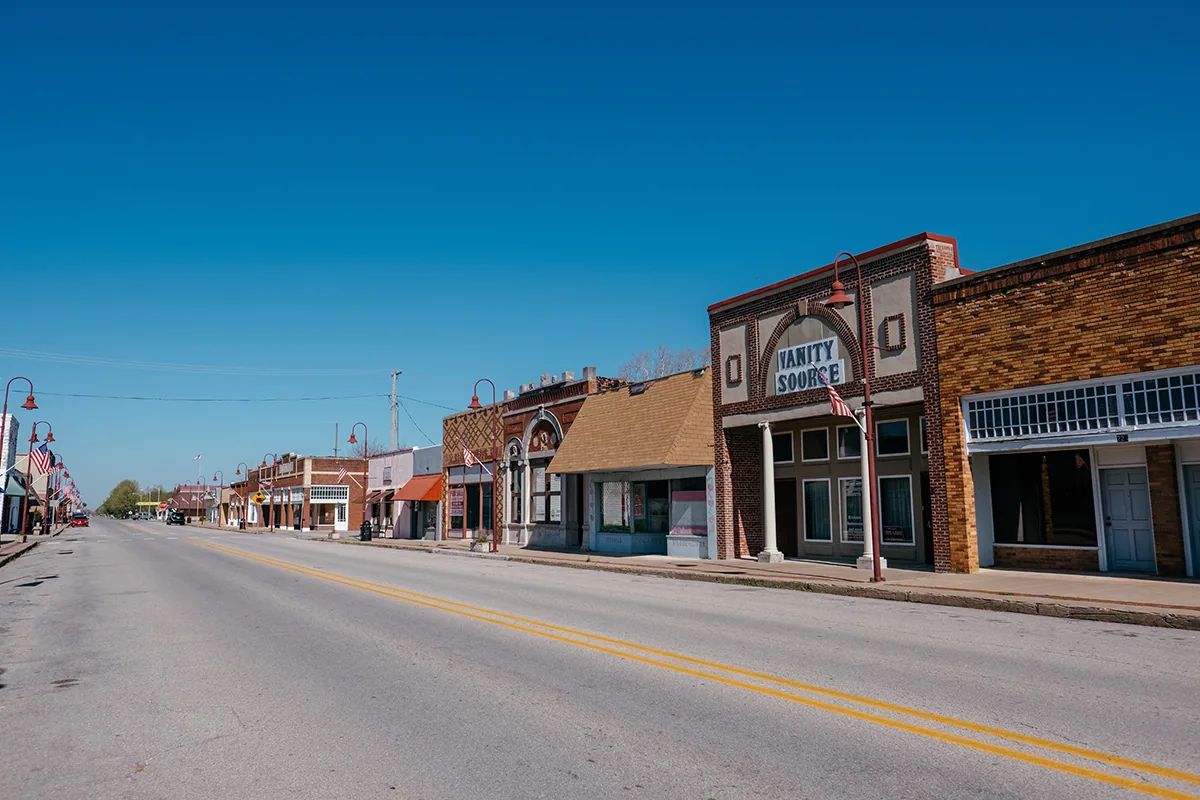
Old commercial blocks make a property manager ask a different question: who last touched this roof, and what did they leave behind? Pea Ridge, AR, has a downtown business district listed on the National Register of Historic Places, with late 19th and early 20th century commercial structures. The city had 6,559 residents in 2020. A roof on a downtown building often has patches, additions and old flashing from several repairs, and the first job is reading that history before pricing anything.
Each building is read before it is priced. We climb up, trace the water, and write down what is there. Then we put a repair figure and a replacement figure next to each other so the owner can choose.
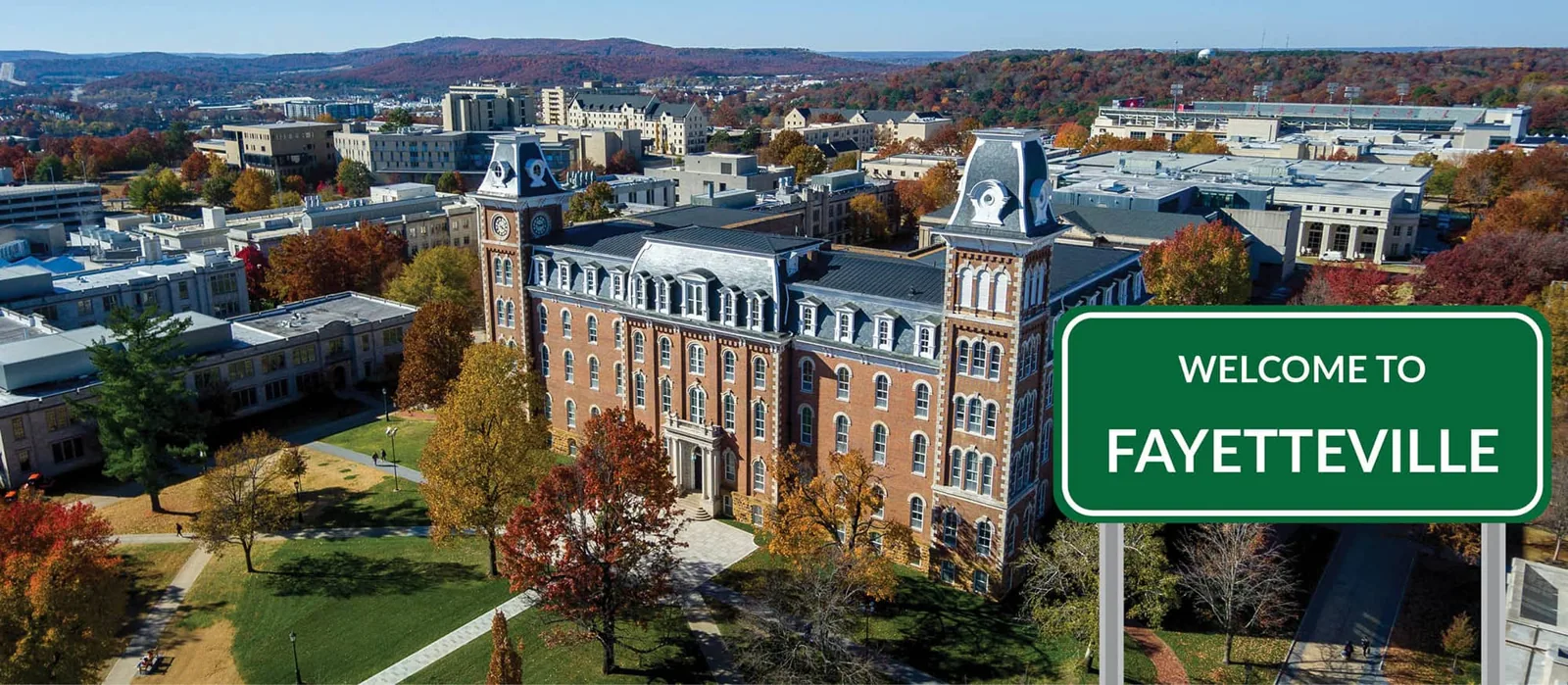
Downtown buildings: what the age of the structure changes
A building from the late 1800s or early 1900s is not the same as its roof. Roofs get replaced several times over a building's life, so the structure may be old while the membrane is recent, or the reverse. What the building's age does change is the geometry: shared walls with neighbors, parapets, rear additions that tie into the original roofline and drains that were added later.
Those tie-in points are where leaks start. We trace each parapet and wall joint, check the flashing, and look at how the addition meets the original roof. If the building shares a wall, we find out which side owns the flashing before recommending a repair. A flashing and penetration fix that crosses a property line needs a conversation with the neighbor first.
Historic listing: ask before assuming it limits the work
A National Register listing recognizes a district; it does not by itself dictate what an owner may do with a private roof. Rules show up when a project uses federal money, a tax credit program or a local review board. Before an owner plans a visible change, such as a different roof edge or a new rooftop unit, it is worth asking the city and any funding partner what review applies.
We handle the roofing side: a clean scope, material choices and photographs of the existing condition. Preservation advisors handle the approval side. Keeping those jobs separate keeps the quote window short. When a replacement is warranted, we can describe options such as modified bitumen or a single-ply membrane, and the owner decides which one fits any review requirements.
Rain and freeze: how water finds old details
The market's weather station at Drake Field in Fayetteville records close to 47 inches of precipitation in a year, with around ten days when highs stay below freezing. A small gap at a parapet cap takes in water in spring and holds it as ice in a cold week. The next thaw widens the gap.
On an older building the first leak often shows in a back room or stairwell, far from the cause. We trace water uphill from the stain, check the nearest wall flashing, then the drain, then the field. A moisture scan helps when the stain does not line up with an obvious defect. Water that has run along a deck for years may have damaged more than the roof, so we flag any soft decking before it becomes a safety issue.
Reaching Pea Ridge: Highways 94 and 72
Highway 94 runs about eight miles south to Rogers, and Highway 72 runs about nine miles southwest to Bentonville. Owners who hold property in more than one of those cities can group a visit, which saves a trip and puts the findings on one schedule. Each building still gets its own report.
For a small downtown parcel, access can be the hard part. We ask early about street parking, loading space, alley width and whether a lift can set up near the wall. Materials may need hand carrying up a stair, and that labor shows up in the number. Knowing it in advance keeps the quote accurate.
Repair, coat or replace: what the budget buys
If the surrounding membrane is sound, a patch will do. For a dry, clean surface, roof coating restoration can delay a replacement by several years. Once wet insulation covers a broad area, or the deck softens, or patches keep failing, the roof has earned a replacement.
Cost moves with tear-off depth, the number of penetrations, how hard the building is to reach and how tenants need the work staged. We give a short written scope for repairs and a side-by-side comparison for larger work, so the reserve line is based on what the core cut showed.
On a street-front building, the cost of protecting pedestrians and neighboring storefronts during work is a real line item. Barricades, covered walkways and after-hours staging all depend on the block, so we price them once we have seen the frontage.
Winter quotes tend to leave room on the crew calendar, and a downtown owner who decides before spring has time to compare scopes without a storm forcing the choice.
Questions About Pea Ridge
Records: keep the file that survives the next owner
Older buildings change hands, and the roof file tends to disappear when they do. We leave the owner a roof plan, dated photographs, a list of repairs with locations and any moisture results. That file shortens the next adjuster visit and gives a buyer or lender something to read.
A roof condition report is built for exactly that purpose. If a spring storm line crosses Benton County, the same file shows what the roof looked like before and after, which makes a claim easier to document.
Commercial Roofing Questions
Can a roof on a historic downtown building be repaired without changing how it looks?
Usually, yes. Most leaks come from flashing, drains and seams, and repairing those does not alter the street view. If the work would change a parapet, coping or a visible roof edge, check with the city or any funding partner first. We keep the scope photographs ready for that review.
The stain is in a back room. How do you find the real leak?
We work uphill from the stain, because water travels along the deck before it drips. Wall flashing, drains and old patches are the first suspects. When the source is not obvious, an infrared scan or a controlled water test narrows it down before we price anything.
What if two buildings share a wall?
Find out who owns the flashing at the shared wall before work starts. A repair that crosses the line may need both owners to agree, and a neighbor's failed flashing can leak into your space. We document what we see and share the photographs with both parties on request.
Should I replace the whole roof on an older building?
Not unless the evidence supports it. Wet insulation across a wide area, a soft deck or repeated patch failures argue for replacement. A localized problem argues for repair. A core cut settles the question, and we show you the sample.
How soon should I call after a storm?
Within a few days, before the next rain. Bruised membrane and loose edge metal from wind or hail often do not leak at once, and a photographed walk gives you a repair list and a record for the adjuster. A tarp or temporary seal can bridge the gap if rain is coming.
What happens to the tenant on the ground floor during a repair?
We schedule noisy work for hours that suit the business, protect the ceiling below if the deck is open, and tell the manager which entrance or alley will be blocked. Most spot repairs finish in a morning. Larger work is staged in sections so the building stays dry at day's end.
Related Commercial Roofing Pages
Read how we handle this work in Fayetteville, AR
Read how we handle this work in Fayetteville, AR
Read how we handle this work in Fayetteville, AR
Read how we handle this work in Fayetteville, AR
Read how we handle this work in Fayetteville, AR
Read how we handle this work in Fayetteville, AR
