SOPREMA Commercial Roofing in Fayetteville, AR
SOPREMA commercial roofing in Fayetteville, AR, with modified bitumen and liquid-applied repairs scoped to roof condition and access.
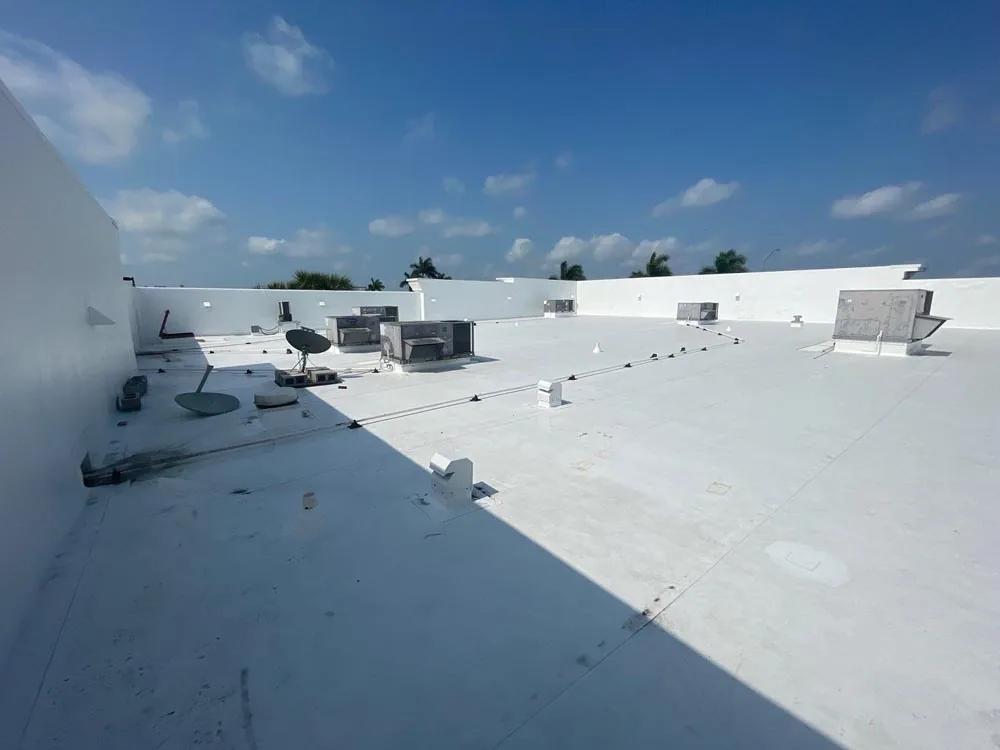
May rain in Fayetteville can turn a failed roof lap into an overnight tenant call. A SOPREMA assembly may use modified bitumen or a liquid-applied detail, and the repair method changes with the installed layers. We inspect the surface, check the substrate, and mark the defect before pricing a repair. The first estimate separates confirmed work from the area that needs an opening.
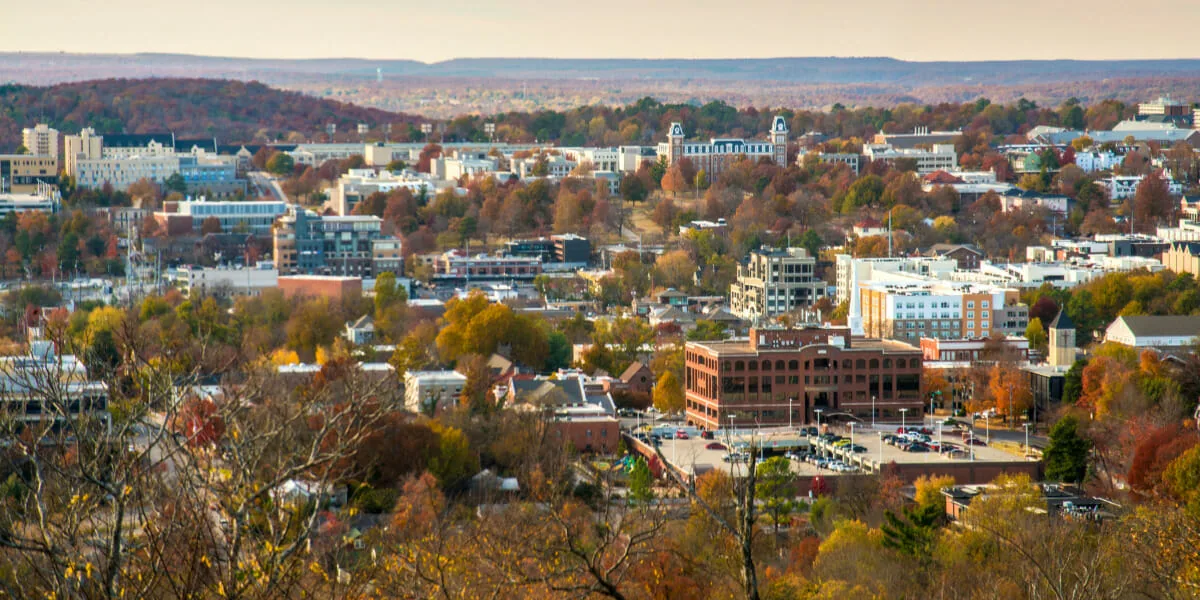
Drake Field records 46.96 inches of precipitation a year, with May the wettest month at 5.89 inches. That makes drainage, flashings, and daily close-in worth reviewing before a roof is opened. On a building near Fayetteville Industrial Park or the Springdale corridor, access and operations also shape the sequence. We check the roof in front of us and set a work window the property team can use.
System: confirm the bitumen or liquid layer
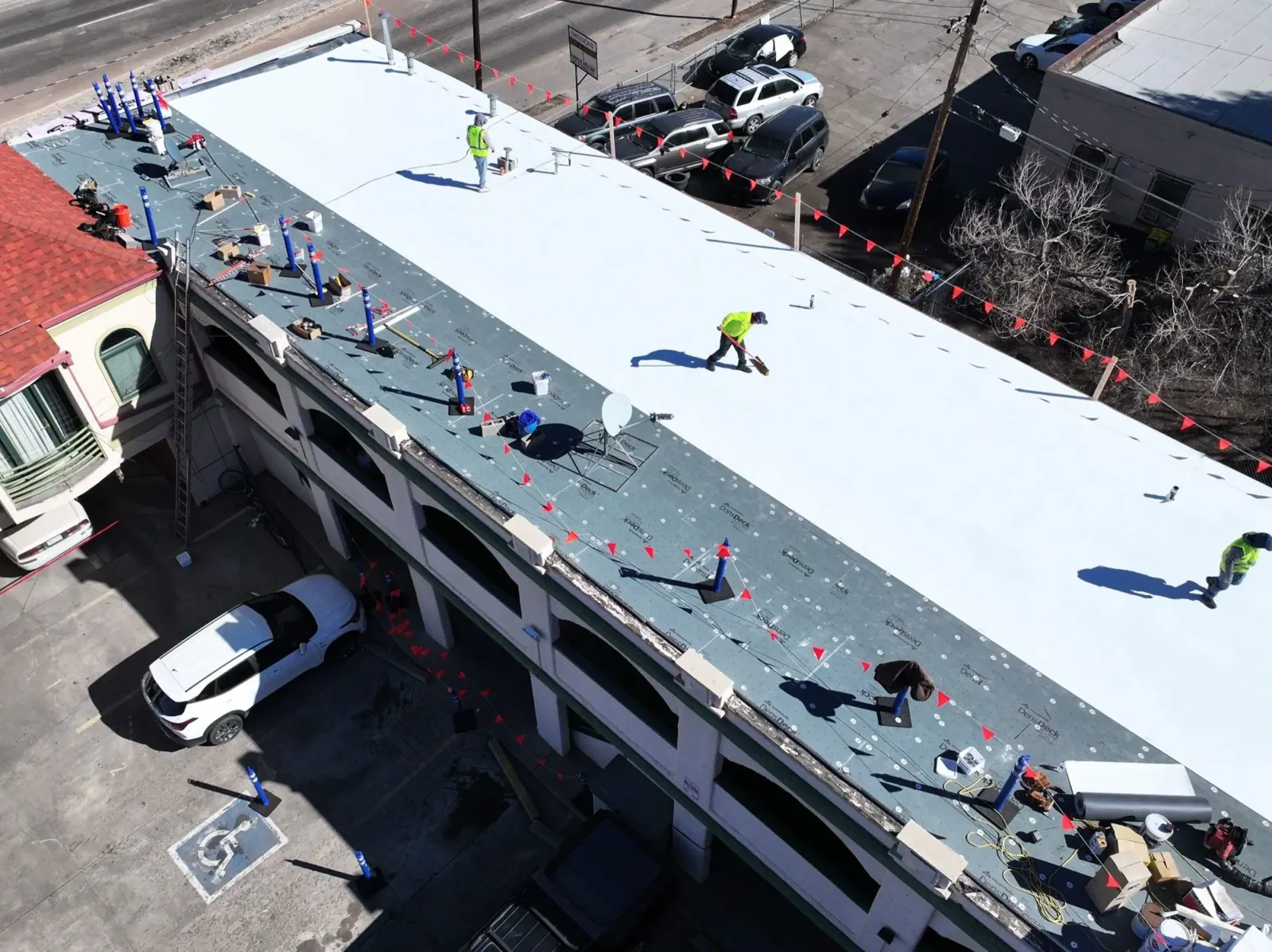
SOPREMA makes modified bitumen roofing and liquid-applied products for commercial assemblies. Modified bitumen uses reinforced sheets and heat or adhesive methods depending on the system. Liquid-applied flashing needs a compatible substrate and correct layer build. We identify the installed materials, inspect exposed edges, and review repair records before selecting a patch. A modified bitumen inspection checks laps, surfacing, blisters, and transitions.
A coating or recover can leave earlier layers beneath the visible surface. We use an exposed edge or test opening when the history is unclear. The roof stack determines whether repair, recover, or removal can work. A built-up roof takes a different review of plies and surfacing. A Carlisle SynTec or Versico single ply is the other family to price against the deck and drainage.
Inspection: trace the leak past the surface
A blister or open lap can let water beneath a roof sheet. The ceiling mark may appear farther away. We follow the water path, inspect walls and penetrations, and test the insulation where it feels soft or holds moisture. The commercial inspection records photos and the repair boundary, so the price tracks the roof condition rather than a stain indoors.
For liquid-applied areas, we check adhesion, cracks, flashing transitions, and whether the coating remains continuous. For bitumen, we inspect lap integrity, surfacing, and the edges of prior patches. A core cut can show if the substrate is wet. We list wet-board removal separately from membrane work and stop at dry material. The crew can then price what is confirmed and identify any concealed area still requiring review.
Weather: protect the open area before rain
Fayetteville's May precipitation average is the highest monthly figure in the local climate record. Before tear-off or repair, we stage sheets, flashing, and temporary cover for the planned zone. The crew sets a daily close-in point and reduces the open area if the forecast changes. A drain and scupper check also confirms where water should leave the roof before the membrane is closed.
The May 2020 storm data lists hail up to three inches east-northeast of Fayetteville. We document the affected area with photos and inspect modified-bitumen surfacing, liquid flashings, and rooftop penetrations. The report distinguishes visible impact from damage confirmed below the surface. On a Springdale commercial property, the repair limits are drawn from the roof walk. The photographs and test points go in the same file as the storm date.
Access: sequence around deliveries and occupants
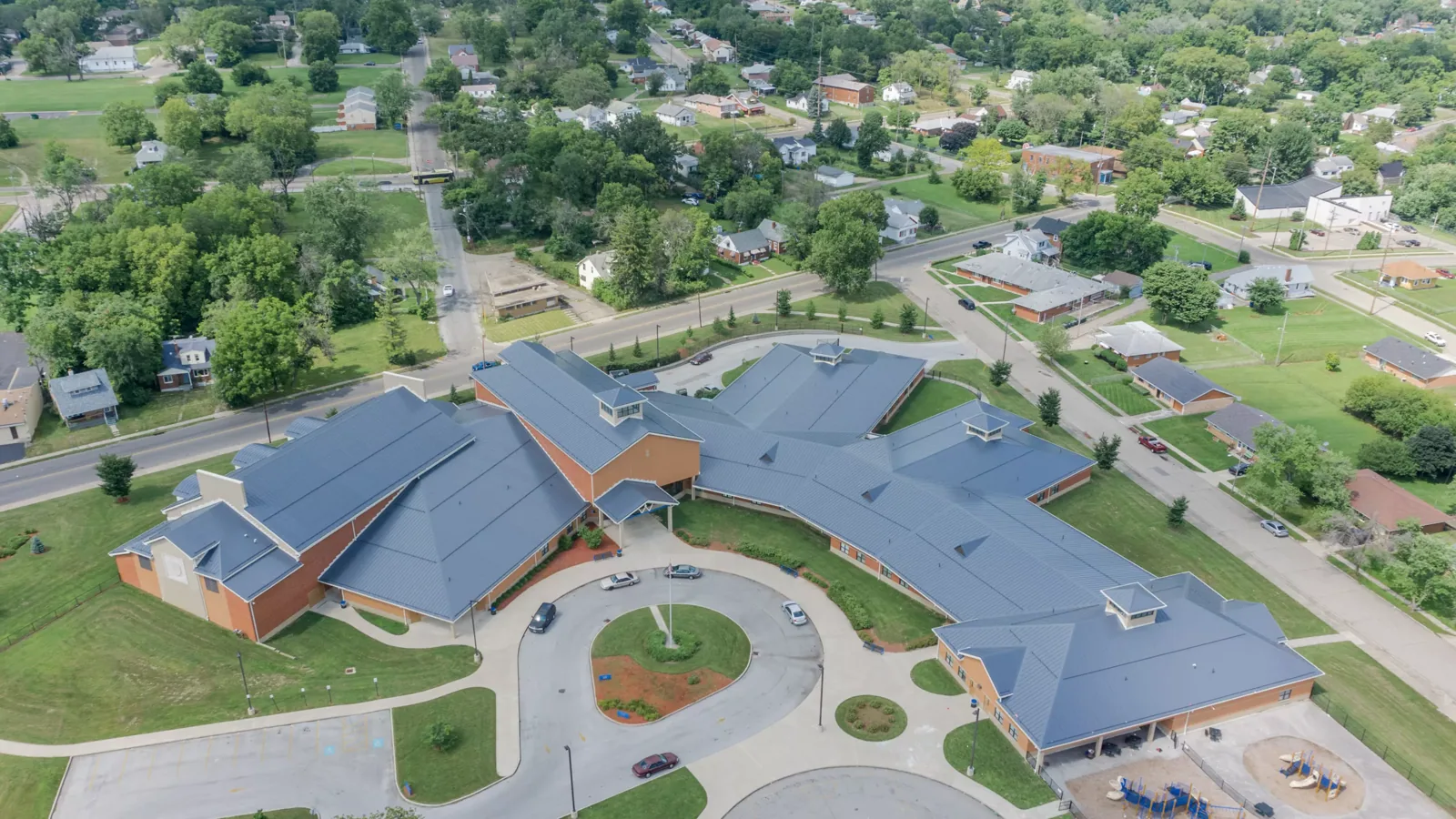
Roof access, material staging, and noise windows can set the daily pace. We confirm the hatch, lift route, tenant schedule, and any air intake or equipment that needs protection. Fayetteville Industrial Park, east of Fifteenth Street, is a place where shipping hours drive the roof schedule. Each building there gets its own walk before a work zone is drawn. We set the work zone around the facility's actual access and roof details.
If the roof must remain active below, work is divided into areas that can close before the crew leaves. A test cut that finds wet board changes the removal limit, not the entire building by default. The manager reviews the added scope and timing before the crew continues. A restoration scope can also keep coating preparation separate from repairs to wet insulation or damaged substrate.
Decision: repair, restore, or replace
A patch can hold when the damage is local and the surrounding roof remains sound. Restoration may extend service when the substrate is dry and the existing surface accepts the selected system. Replacement becomes the better scope when moisture spreads or multiple details fail. We compare test results, laps, insulation, deck, and drainage before setting the reserve request. The estimate shows which layers are confirmed and which remain an allowance.
Arkansas's 2021 Fire Prevention Code, in force since January 1, 2023, adopts the 2021 International Building Code and related state amendments. We review the planned assembly and permit needs with the project team. Code does not choose SOPREMA products or any one roof material. A condition report organizes photos, test results, and the repair-versus-replace reasons for budget review. The owner sees the next step and the evidence behind it.
Questions About SOPREMA Commercial Roofing
Maintenance: preserve the repair history
We record the repair material, the roof zone, and the details that still need monitoring. Photos show the patch edge, lap, drain, and flashing after work closes. The next visit can compare the same points rather than repeat the full diagnosis. For an owner managing several buildings, consistent records help sequence the reserve line by condition and access.
Emergency calls are answered overnight, on weekends, and through holidays. We secure active water entry first, then schedule permanent work after the roof can be inspected safely. A coating or bitumen repair gets a material-specific closeout, including what was removed and what remains. This gives the property manager a clear record for the next tenant report or storm review.
Closeout also identifies the roof areas released back to operations and any temporary protection left in place. We note whether the crew removed damaged surfacing, replaced insulation, or sealed a transition. If work touches several sections, each zone gets its own photo and completion note. The facility contact can then match the invoice, roof plan, and tenant follow-up to the same repair area.
Commercial Roofing Questions
Which SOPREMA systems can you repair?
We work on modified bitumen and liquid-applied commercial roof details after identifying the installed system. The sheet, flashing, and substrate determine the repair material. If a recover or coating hides earlier layers, we inspect an edge or make a test opening before pricing a permanent repair.
Can a liquid-applied flashing fix a membrane seam?
It can be considered only when the product is compatible with the membrane and the substrate is prepared correctly. We inspect the seam, remove loose material, and confirm what layer will receive the application. The scope identifies the transition and the work needed to close it.
How does heavy rain change a bitumen repair?
The open area and daily close-in determine whether the work can proceed safely. We stage material, protect the building below, and reduce the work zone when rain enters the forecast. If wet insulation is uncovered, the manager reviews removal and schedule before the boundary grows.
When should a SOPREMA roof move from repair to replacement planning?
Repeated lap failures, wet insulation across several test points, or a weak deck can support a larger capital scope. We document those conditions and compare restoration with removal. A local defect alone does not set a replacement date. The roof layers and history drive the recommendation.
What helps you price a roof repair visit?
Send the building address, interior leak location, roof access notes, and any SOPREMA product or repair records. A roof plan helps us tie the symptom to a zone. We inspect the membrane and substrate, then price confirmed work and list concealed conditions separately.
Related Commercial Roofing Pages
Read how we handle this work in Fayetteville, AR
Read how we handle this work in Fayetteville, AR
Read how we handle this work in Fayetteville, AR
Read how we handle this work in Fayetteville, AR
Read how we handle this work in Fayetteville, AR
Read how we handle this work in Fayetteville, AR
Read how we handle this work in Fayetteville, AR
Read how we handle this work in Fayetteville, AR