
GAF Commercial Roofing in Fayetteville, AR
GAF commercial roofing in Fayetteville, AR, with membrane, flashing, and drainage work scoped to the roof condition and the building schedule.
A hail report near Fayetteville can turn a reserve line into a roof decision before the next storm week. The May 2020 event included hail up to three inches east-northeast of the city. A GAF membrane roof still needs a close look at seams, penetrations, and cover board before anyone prices a repair. We inspect the assembly, mark the affected areas, and separate a local fix from a larger replacement question.
GAF makes commercial roof systems that include single-ply options. The right work depends on what is on the building now, not only on a product label. A property manager near Fayetteville Industrial Park may need a repair timed around shipping and access. A building closer to the Square can have a different roof history and tenant schedule. We start with the roof in front of us.
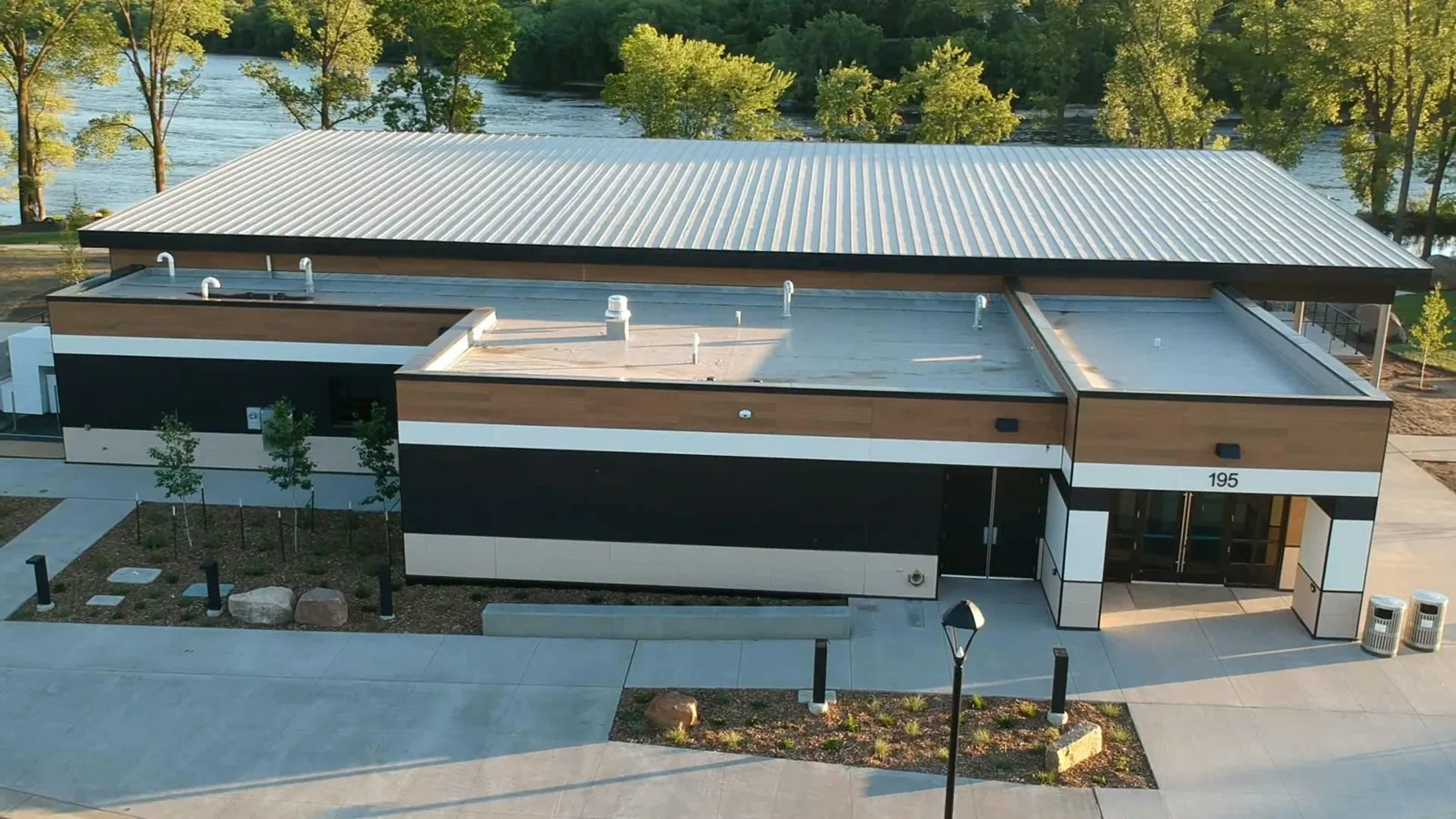
System fit: match the membrane to the roof
GAF commercial systems include thermoplastic single-ply membranes, including TPO and PVC options. TPO seams are heat-welded, and the field membrane needs sound attachment, clean laps, and compatible flashing details. PVC also relies on welded seams, but the membrane chemistry and accessory requirements differ. We identify the installed sheet before ordering repair material. A TPO roof inspection checks the seam, penetration, and edge details that control water entry.
Existing layers can change the plan. A roof may have an older membrane, a coating, or a prior recover concealed below the visible surface. We inspect exposed edges, review records when available, and use test openings where the layer stack remains uncertain. If the system is beyond local repair, we compare the removal and recover paths with the deck, insulation, drainage, and curb heights in view. Pricing a Carlisle SynTec sheet beside it is a fair comparison once the deck and drains are known. A Johns Manville single ply adds a second specification to read.
Fieldwork: trace the defect before patching
A dark ceiling tile does not locate a roof defect. Water can travel along insulation or a deck before it appears indoors. We check the roof zone above the report, then follow laps, seams, pipe boots, curbs, and drains. Soft insulation or a loose seam changes the boundary. The commercial roof inspection records photos and test points so the repair scope follows the condition instead of the stain.
At a large industrial building, access and roof traffic affect sequencing. The Fayetteville Industrial Park lies east of Fifteenth Street, so deliveries and work zones may need coordination with daily operations. We identify where materials can be staged, how the crew reaches the roof, and which areas must stay open. A warehouse roof review can also account for rooftop equipment and tenant movement. We keep the repair area small enough to protect the building without hiding nearby defects.
Storm response: separate impact from wear
Hail can bruise a membrane, fracture a cover board, or damage metal accessories without leaving an immediate leak. The May 2020 Fayetteville report lists three-inch hail east-northeast of town, with smaller reports nearby. We photograph the roof surface, seams, edge metal, and rooftop equipment, then check suspect areas for soft spots and moisture. A hail damage inspection sorts visible impact from older wear and records what needs testing.
Wind and rain can expose a weak termination after the first impact. We inspect perimeter securement, wall transitions, and drainage paths before placing a patch. If several roof zones show movement, the property team needs a broader repair-versus-replace review. A storm roof assessment can document that work. Where the facility is occupied, we set a dry-in limit before opening the membrane and close each section before leaving.
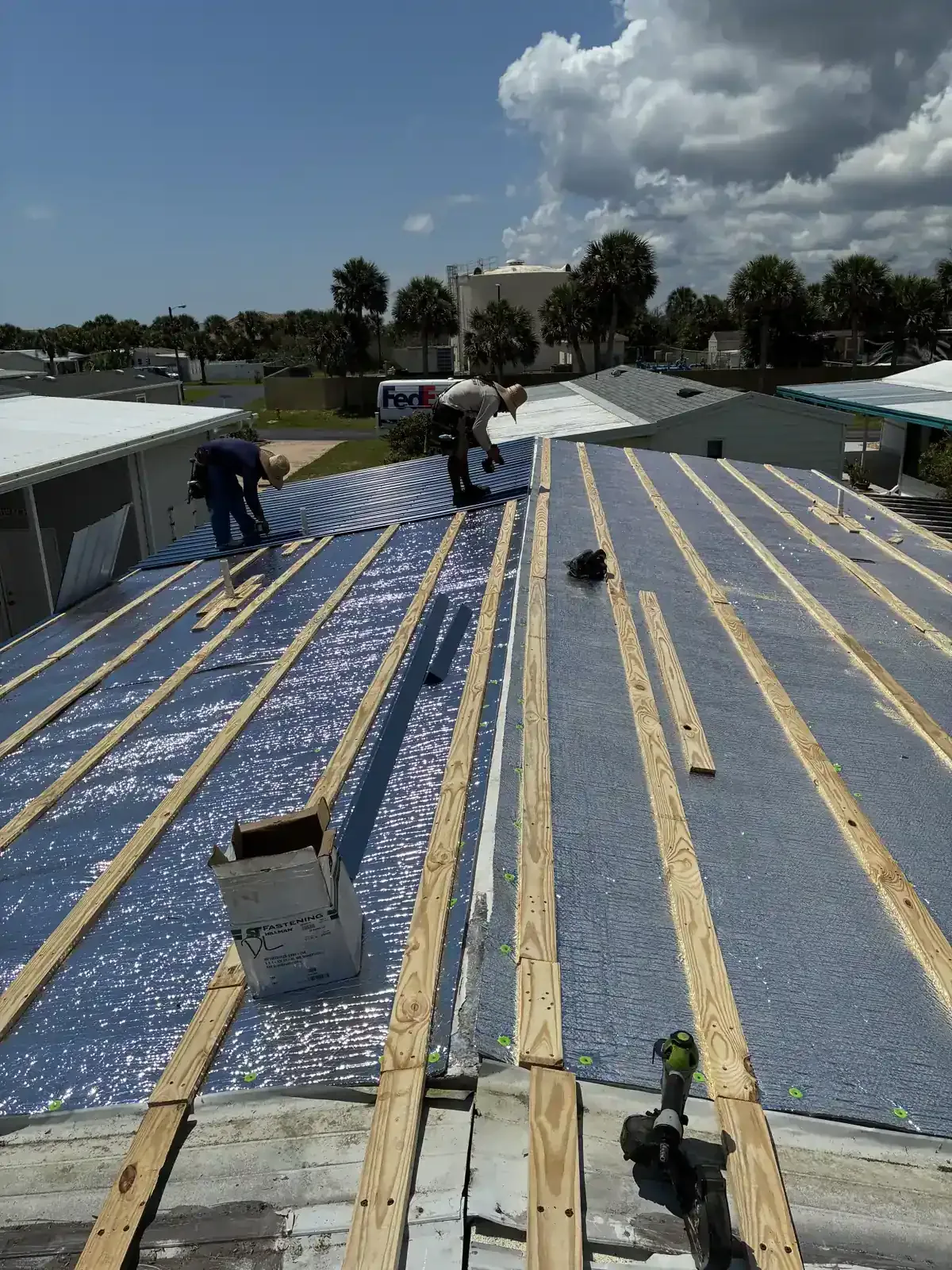
Repair or replace: price the confirmed layers
A repair can make sense when the damage is isolated and the surrounding membrane, insulation, and attachment remain sound. A recover requires dry insulation, a stable base, adequate height at drains, and details that can be raised without blocking equipment. Widespread moisture or repeated seam failure can push the decision toward removal. We document the evidence and show which parts of the estimate are confirmed, with concealed conditions kept as allowances until opened.
GAF product selection does not answer the whole roof question. Deck condition, slope, drain capacity, fastener pattern, and access determine the installation sequence. The replacement scope separates tear-off, insulation, edge work, equipment protection, and close-in. If an existing assembly appears recoverable, a roof recover evaluation checks moisture and height first. We price both paths only when each one is technically workable.
Schedule: protect the work window
Heat, rain, and spring storm lines can narrow the days available for roof work. We check the forecast, stage enough material for the planned zone, and set the daily open-area limit. If the deck needs repair or moisture extends beyond the first test point, the crew stops at a defined boundary. The property manager gets a price change to review before the removal area grows. This keeps interior protection and budget control tied to the same decision.
I-49 and US 71 link Fayetteville, Springdale, Rogers, and Bentonville. On a Springdale commercial property, delivery timing can affect staging and roof access. We coordinate roof access, equipment shutdowns, and tenant notices before work begins. A roof condition report keeps photos, findings, and recommended work together for the reserve budget. If leaks are active overnight or on a holiday, our emergency roof response secures the opening first, then sets the permanent repair visit.
GAF system details should stay in the project record after the repair closes. We list the sheet type, repair material, seam work, and any area left for monitoring. That helps the next maintenance visit compare the same roof zone and catch a moving defect before it reaches the interior. If an owner is pricing a larger scope, the record also gives the estimator a clear starting point for the next reserve review.
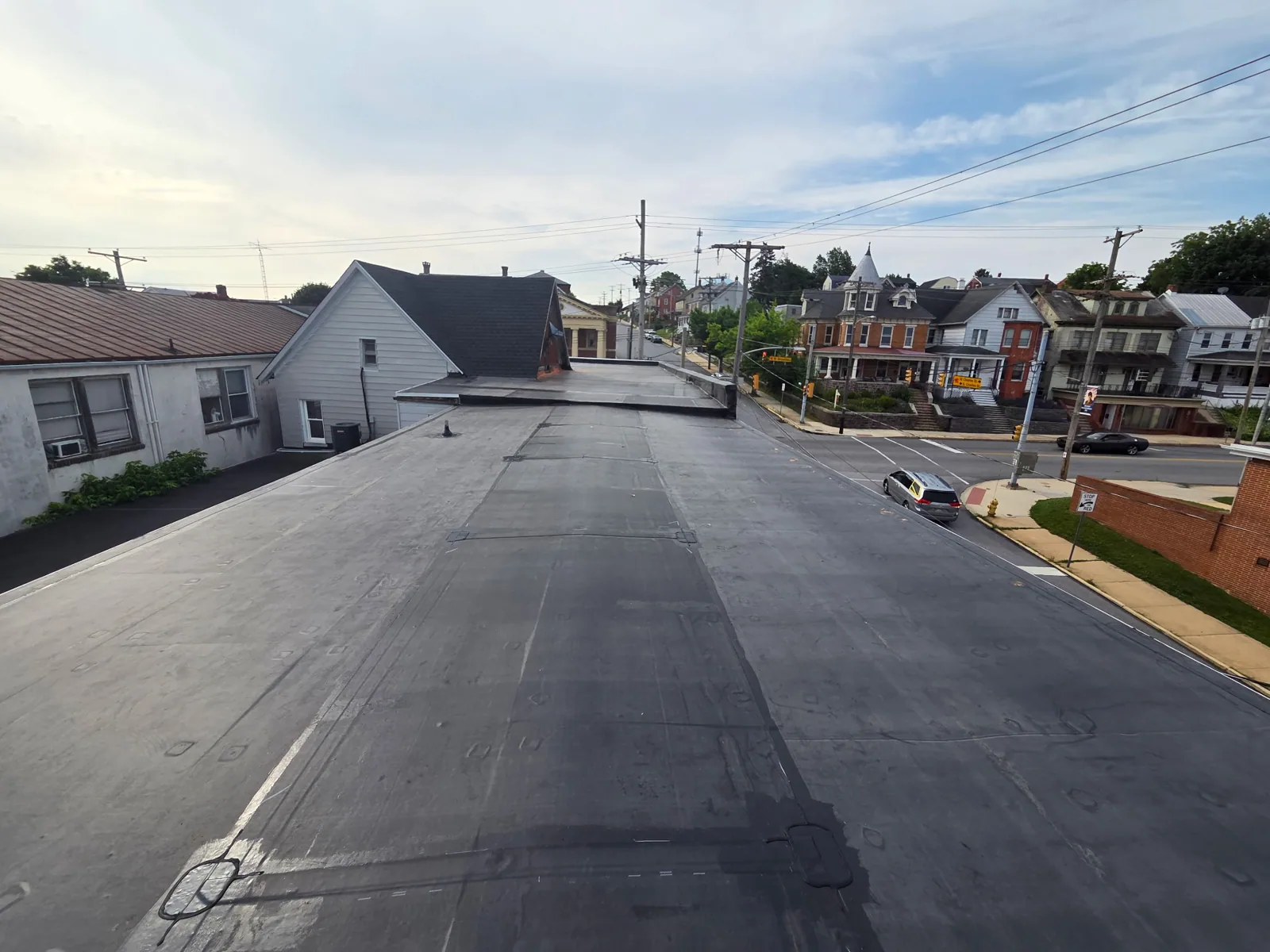
Questions About GAF Commercial Roofing
Commercial Roofing Questions
Can an existing GAF membrane be patched with any roofing sheet?
No. The sheet type, age, coating, and seam condition determine what repair material can bond or weld correctly. We identify the installed assembly, check the surrounding area, and test where the repair path is uncertain. The quote then names the repair boundary and any limitation that remains.
What does hail change on a GAF commercial roof?
Hail can mark the membrane or damage the layers beneath it, even when water has not reached a room. We photograph the roof, check seams and edges, and test suspect locations for moisture. The report separates confirmed damage from items that need another opening before a larger scope is priced.
When is recover work possible instead of tear-off?
Recover is considered after the existing layers are checked for moisture, attachment, and height at drains and curbs. If the insulation is wet or the substrate is unstable, adding another layer can conceal a problem. We compare the confirmed assembly with a removal scope before setting the reserve request.
Can roof work fit around an operating warehouse?
Yes, the sequence can be set by delivery windows, tenant movement, equipment, and the area that must stay weather-tight. We agree on access and daily close-in before removing membrane. If the roof opens to a hidden condition, we stop at the agreed boundary and document the next cost decision.
What should go into the first GAF roof work order?
Send the building address, the leak location, any prior repair notes, and the product information if it is available. We inspect the assembly and return a scope that separates immediate protection, repair, and longer-term planning. A roof plan or access notes help us set the visit around operations.
Related Commercial Roofing Pages
Read how we handle this work in Fayetteville, AR
Read how we handle this work in Fayetteville, AR
Read how we handle this work in Fayetteville, AR
Read how we handle this work in Fayetteville, AR
Read how we handle this work in Fayetteville, AR
Read how we handle this work in Fayetteville, AR
Read how we handle this work in Fayetteville, AR
Read how we handle this work in Fayetteville, AR
