Commercial Roof Due Diligence Surveys in Fayetteville, AR
Review roof condition before a Fayetteville acquisition or refinance with photographs, findings, open scope questions and practical budget context.
The seller's broker says the roof is fine, the lender wants it in writing, and the closing date is three weeks out. A due-diligence roof survey is the quickest way to turn that disagreement into a number. We walk the accessible roof, photograph what is there, sort the findings into repair now, reserve later and unknown, and price each group so the buyer can set an allowance or adjust the offer.
In Fayetteville, AR, the survey also has to read the roof for the local weather it has already taken. Hail up to 3.00 inches was logged about a mile east-northeast of town in May 2020, and a membrane that took a hit like that can carry bruises that no one has priced.
Scope: what one visit can settle
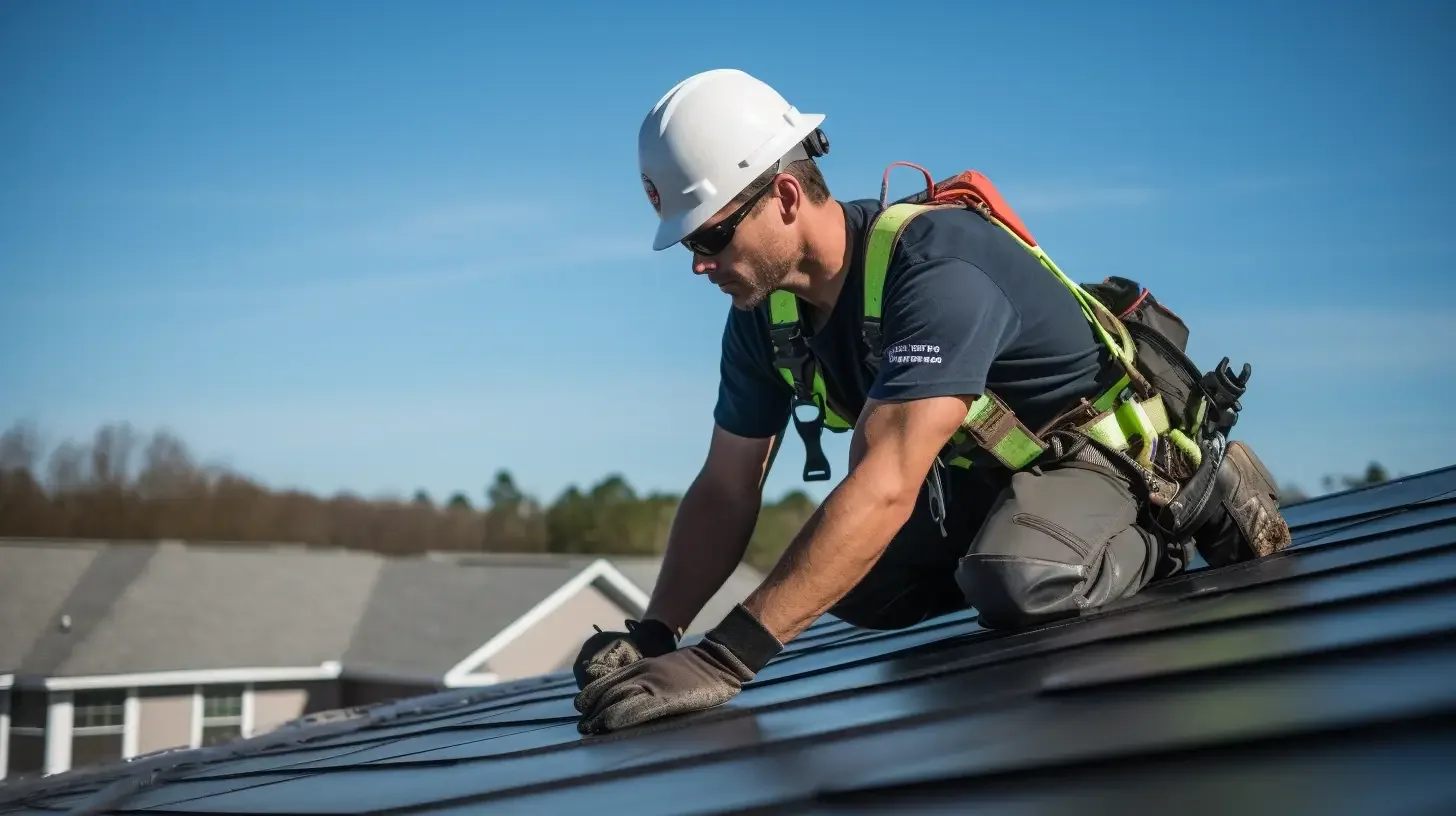
Before the visit we confirm roof access, building operations, available drawings and any known leak locations. On the roof we identify each system area, probe the seams and flashings, check the drains and note every visible repair. If a section cannot be reached, or the moisture question needs testing, the report marks that boundary instead of filling the gap with an assumption.
A hands-on inspection can be paired with a drone pass on a large roof or an infrared survey where wet insulation is the open question. The findings say which method produced which result. That lets the transaction team decide whether the record is enough or whether another step belongs in the diligence period.
Tenants and timing deserve a line in the plan. Walking a leased roof means calling the property manager, picking a day that misses the busy shift and finding the key, and the seller needs a few days of warning to arrange all three. Tell us the deadline early and we work back from it.
Findings: repair now, reserve later, unknown
A survey should not squeeze every roof into pass or fail. Open seams, failing flashing and active water entry call for prompt repair and a price. Broad wet insulation, repeated patches or a compromised deck change the replacement conversation and belong on the reserve schedule. The third group is the one that makes buyers nervous: things the visit could not establish, such as deck condition under an intact membrane.
We give every item a cause, a cost range and a note on what could change it. That lets the buyer compare a repair allowance against a broader project scope, and lets the seller respond to specific lines instead of a general complaint about the roof.
If tenants have already reported leaks, we read those notes and photographs first; they point to the sections that deserve the closest look and often explain a patch pattern the seller cannot.
Moisture: when a scan and cores earn their fee
Wet insulation is the item that moves a price the most, because it turns a repair into a section replacement. A scan after a sunny day shows warm, wet-looking areas, and cores confirm what the layers hold. On a roof with a leak history, a recent patch job or an odd stain pattern, the pair of tools is cheap next to what it can reveal.
On a roof that is visibly dry, sound and recently documented, the scan can wait. We tell the buyer which case the roof looks like on arrival, and the report carries any test results next to the photographs they explain. Drake Field averages 46.96 inches of precipitation a year, so a roof that has gone wet has had plenty of chances.

Budget: allowances with their assumptions
Roof size, system type, access, drainage, edge details, penetrations, existing layers and wet insulation all move a budget. A visit can outline the visible work and list the assumptions that need pricing confirmation. If the deck is hidden, we recommend a unit price or an allowance tied to a defined quantity, not a single number that treats an unknown as settled.
The buyer can then compare a likely maintenance path with a replacement scenario. The condition report from the visit feeds a capital plan after closing, so the work done in diligence does not sit in a drawer.
Records: compare the file to the roof
We read prior inspection reports, repair invoices, warranty papers, roof plans and leak logs against what we see. A mismatch matters: a different membrane than the drawings show, an unrecorded recover layer or a rebuilt curb can change the scope and the price. We note what the records support and what needs confirming with the seller.
Code context belongs in the file too. The Arkansas Fire Prevention Code incorporates the 2021 International Building Code, effective January 1, 2023, and the commercial energy listing is still ASHRAE 90.1-2007, so a planned replacement may bring insulation requirements that a repair would not. The survey flags where planned work could trigger them.
Questions About Commercial Roof Due Diligence Surveys
Closing: carry the open items into the plan
We end the survey with a short list: immediate protection, repair pricing, further testing and longer-range items, each with an owner and a decision date that fits the transaction calendar. If an active leak needs attention before closing, the scope says which area is affected and what has to be documented afterward. If nothing urgent turns up, the report still gives the new owner a baseline and a date for the next walk.
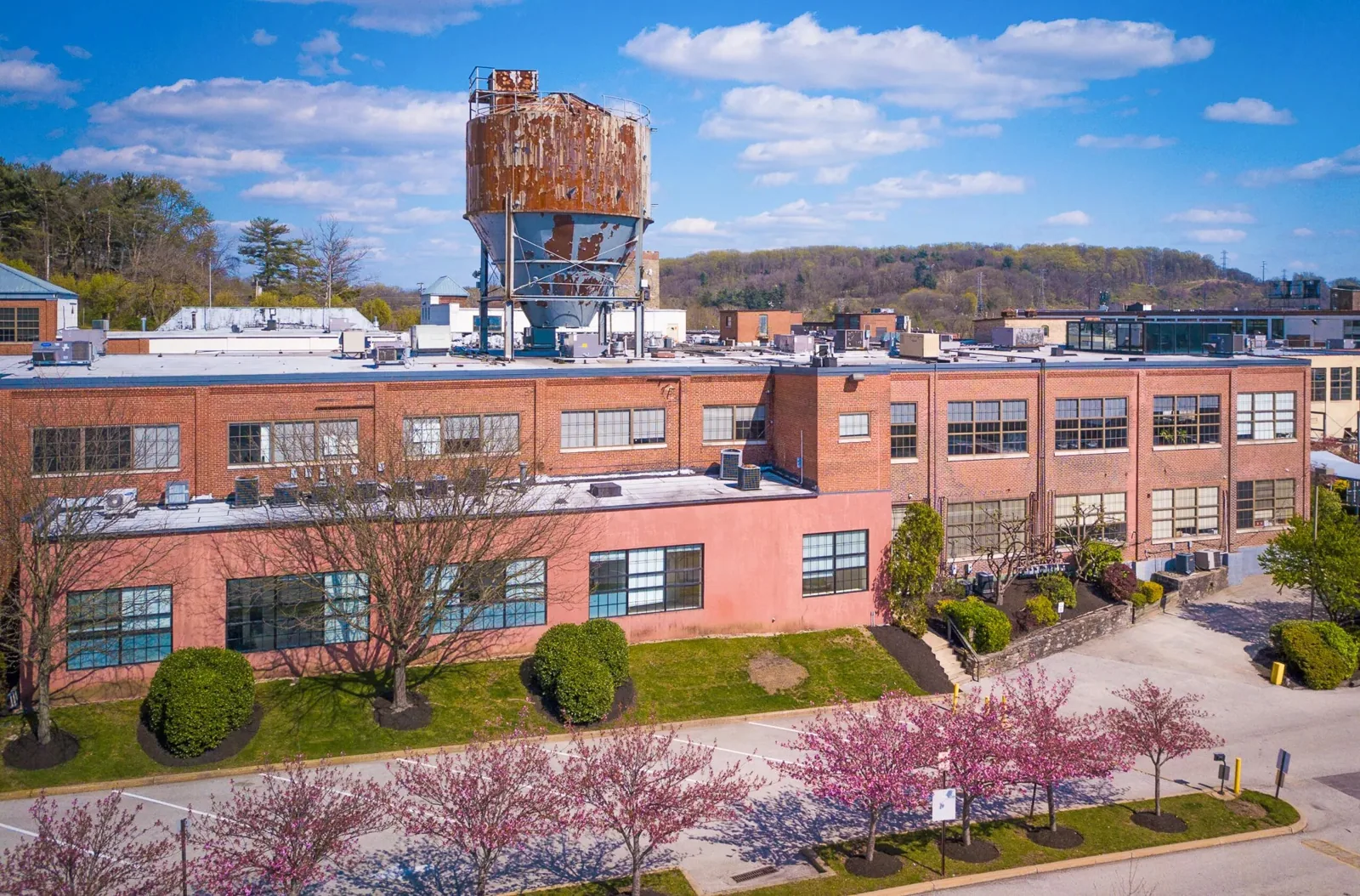
Buildings in the Fayetteville Industrial Park, east of Fifteenth Street, an occupied property near the Square or a retail center near Pinnacle Hills in Rogers bring different access and tenant limits, and we plan the visit around them. A short findings call lets the buyer's team separate what can be priced now from what depends on access, testing or a written answer from the seller.
Commercial Roofing Questions
Can a survey confirm there are no hidden problems?
No visit can rule out concealed conditions, and the report states that boundary clearly. We report what is accessible and visible, then identify what moisture testing, selective openings or a records review could add. The buyer decides whether to investigate further, carry an allowance or accept the remaining uncertainty.
What should the buyer provide before the site visit?
The roof plan if one exists, access instructions, building contacts, prior reports, repair invoices, leak history and the transaction deadline. Tell us which areas are occupied or restricted. If a key document is missing, the report notes the gap instead of assuming what the document would have said.
Can you estimate replacement cost during diligence?
We can describe the visible scope and the factors that drive price, then prepare a fuller estimate when measurements, system details and access are clear. Hidden deck or insulation conditions get an allowance or a later opening. That gives the buyer a defensible range without presenting an incomplete field review as a final construction price.
How should a buyer weigh the hail history near Fayetteville?
As a reason to inspect, since the May 2020 reports show what stones this area can see. We look at the roof for impact marks, seam damage and water entry, then document the result. A roof with no visible concern is a separate conclusion from the regional storm record, and the report keeps the two apart.
What happens after the survey is delivered?
The transaction team can order immediate repairs, request more testing, negotiate a defined allowance or place longer-term work on the capital schedule. We explain which findings support each option. After closing, the report becomes the baseline for maintenance and later inspections, with completed work added to the building record.
Related Commercial Roofing Pages
Read how we handle this work in Fayetteville, AR
Read how we handle this work in Fayetteville, AR
Read how we handle this work in Fayetteville, AR
Read how we handle this work in Fayetteville, AR
Read how we handle this work in Fayetteville, AR
Read how we handle this work in Fayetteville, AR