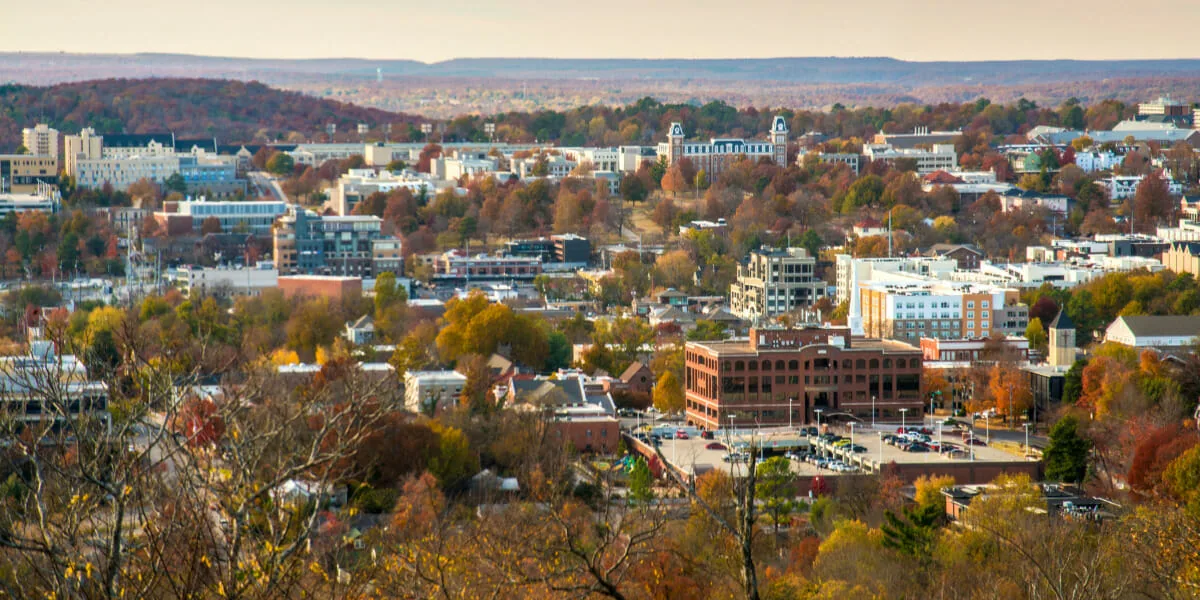
Holcim Elevate Commercial Roofing in Fayetteville, AR
Holcim Elevate roof systems in Fayetteville, AR, with membrane repairs, insulation checks, and project sequencing set around building use.
During a freeze-and-thaw week, water can enter a small split and widen the repair area. Fayetteville averages about 6.5 inches of snow each year and has roughly ten days with highs below freezing. A roof with a Holcim Elevate membrane still needs its seams, flashings, and insulation checked before a reserve request is set. We inspect the installed system, locate wet material, and price the repair boundary from what the roof shows.
Holcim Elevate, formerly Firestone Building Products, makes commercial roofing systems that include EPDM and TPO membranes. Those sheets use different seam methods and accessories. We confirm the installed membrane before ordering patch material or planning replacement. The building schedule matters too. The crew may need to work above tenants, production areas, or rooftop equipment without leaving an open section overnight.
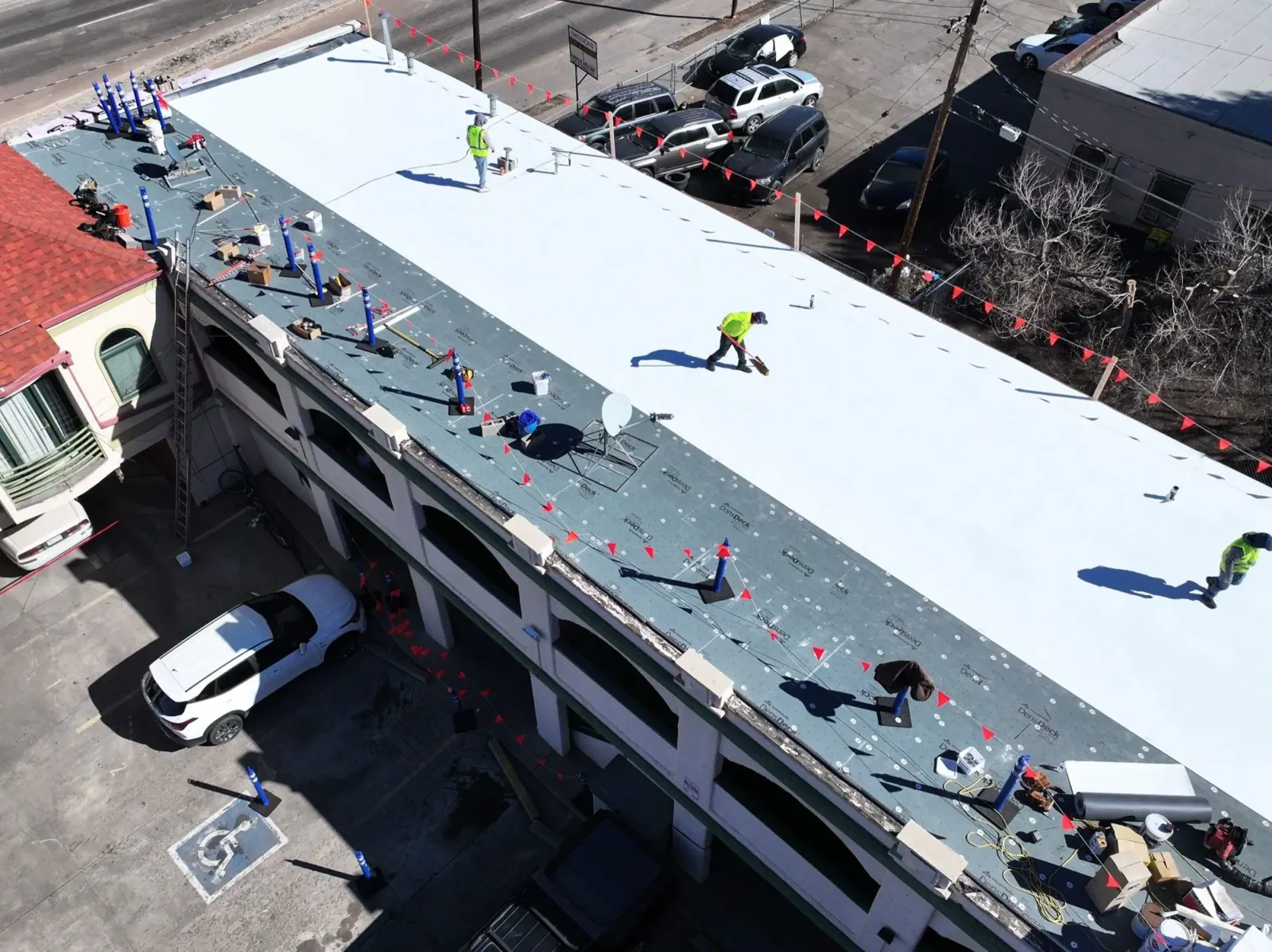
Systems: confirm the membrane and detail
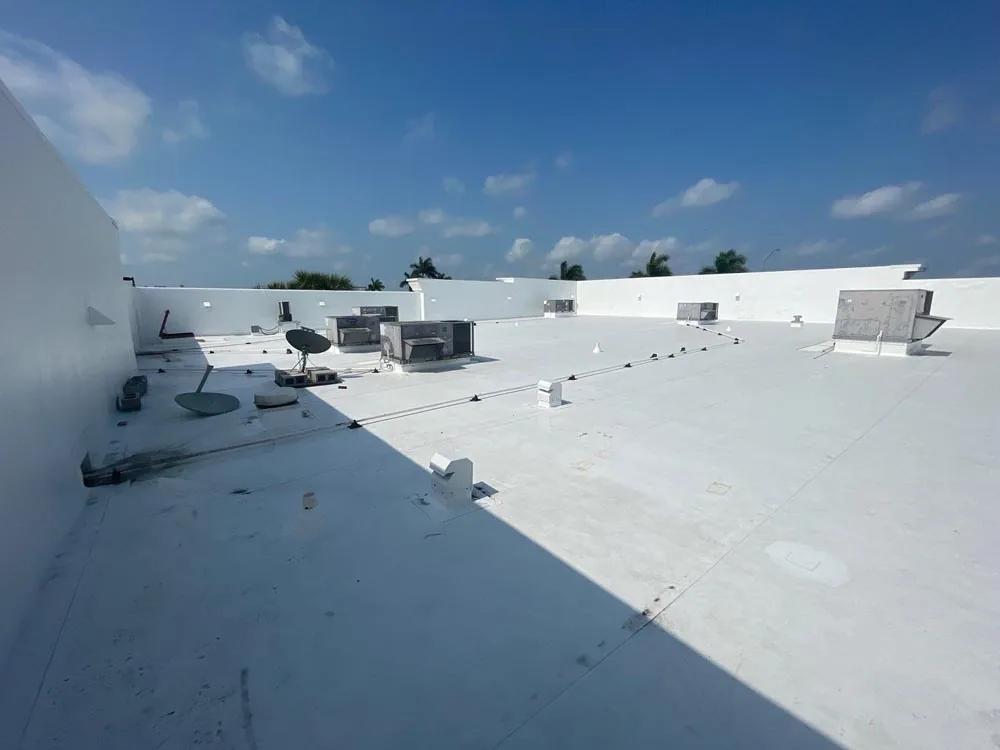
Holcim's RubberGard line is EPDM, while UltraPly includes TPO membranes. EPDM seams and flashing use different materials from a heat-welded TPO detail. We inspect the exposed sheet, label, seam, and prior repairs before choosing the method. A commercial EPDM review checks splice, termination, and penetration conditions. A TPO seam assessment looks for weld separation, fishmouths, and weak corners.
A surface coating or old recover can hide the original layer. We review records, inspect an exposed edge, and use a test opening if the assembly remains uncertain. Pricing a Carlisle SynTec or GAF sheet against it uses the same building conditions. We keep the product choice connected to the roof, not a brand preference.
Inspection: map water before material leaves the shop
A ceiling stain rarely sits directly below the leak. Water may travel along the deck or insulation before entering a room. We trace the path from the interior report, then check seams, curbs, drains, and wall transitions. Moisture readings or a core cut can show whether the board remains usable. The roof inspection returns photos and a marked zone so the owner can see where repair stops.
If a membrane looks sound but the insulation is soft, the patch cannot solve the full problem. We mark the damp area and test beyond its edge until dry material is found. The scope separates confirmed removal from concealed conditions. A leak repair visit can secure the active opening first, then return with permanent materials after the assembly has been checked.
Weather: close each work zone before the next front
Freeze and thaw can work at a split seam or open termination. Snowmelt that reaches a low point needs a clear drain path, and trapped water can press at laps and curbs. We inspect the bowl, overflow, and field slope before calling it a membrane failure. Snowmelt on a low roof can back up in minutes once a drain ices over. Each roof still gets its own check before the owner approves removal or repair.
Spring storm risk can also change the timing. A March 2022 EF3 tornado traveled through Springdale on a 5.2-mile path with estimated peak winds of 145 miles per hour. We inspect wind-exposed edges and transitions after a local event, then record any movement at the actual property. On work in Springdale service areas, access and tenant timing go into the same dry-in plan as the membrane.
Access: stage work around building operations
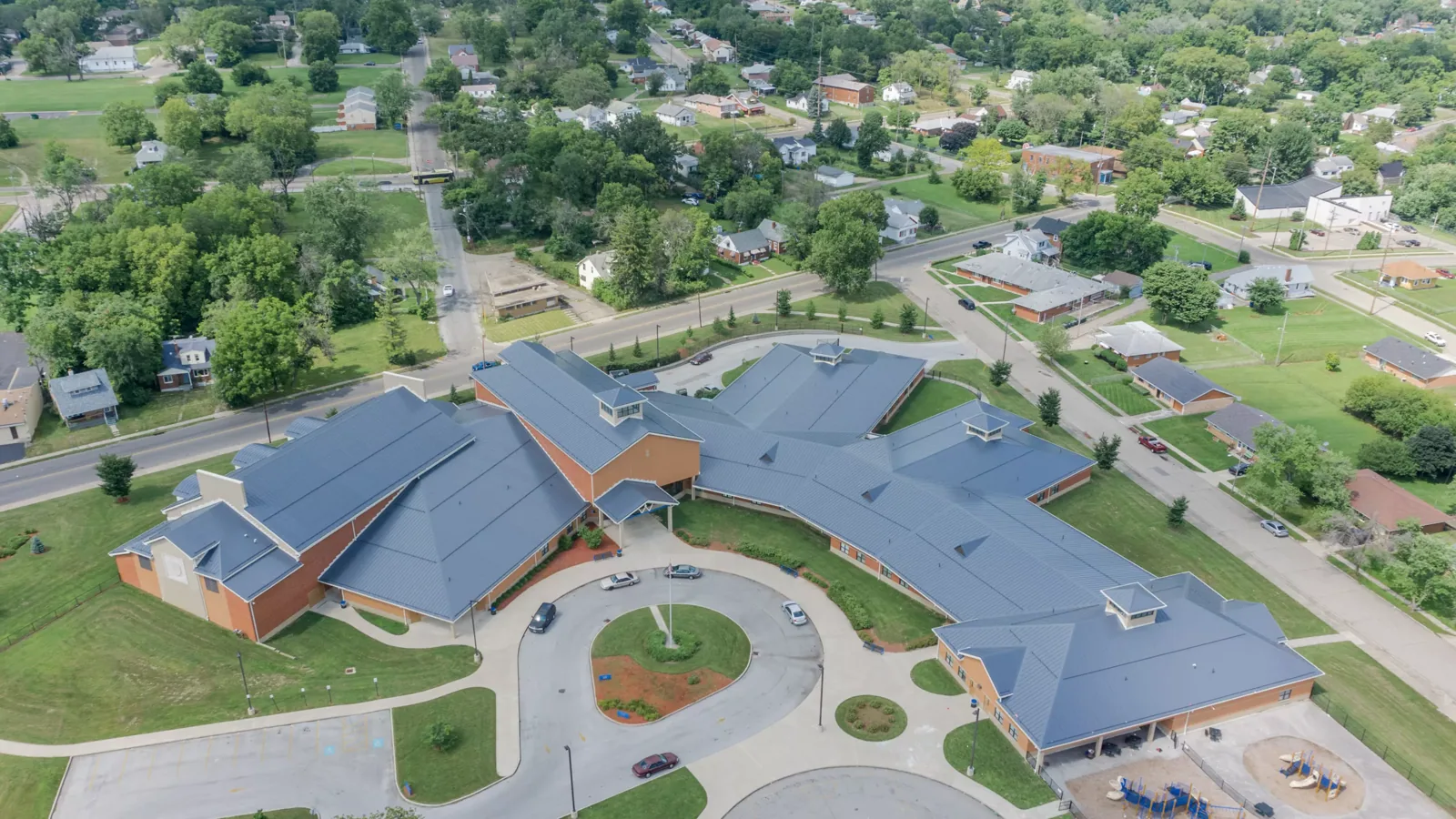
Holcim membrane work above an active facility needs a clear hatch route, material staging area, and plan for equipment access. The crew confirms shutdown windows, air intake locations, and any tenant notice before opening the roof. Delivery routes and roof access need planning in the Fayetteville Industrial Park, east of Fifteenth Street. A manufacturing roof assessment can account for production and service routes without assuming the building's membrane or condition.
We set the maximum open area and identify how it will be protected at the end of each shift. If wet board extends beyond the planned zone, work stops at a defined edge. The owner reviews the additional removal and schedule before the crew continues. That boundary protects the space below and prevents a hidden condition from becoming an unpriced assumption.
Options: patch, recover, or replace
A patch can be appropriate when the failed detail is isolated and nearby material remains dry. A recover needs secure attachment, dry insulation, and room at drains, curbs, and equipment. Replacement may be the clearer choice when several areas are wet or seams keep opening. We compare readings, cores, repair history, and remaining roof details. The estimate shows labor and materials by scope, with any concealed work listed as an allowance.
Holcim's system name does not decide the building code path. Arkansas adopted the 2021 International Building Code through its 2021 Fire Prevention Code, effective January 1, 2023. Our project team checks the selected assembly against permit requirements before work is priced. The deck, attachment, drainage, and insulation determine the installation sequence. A replacement scope separates tear-off, board work, flashing, and daily close-in so the reserve line reflects the actual layers.
Questions About Holcim Elevate Commercial Roofing
Maintenance: keep seams and drains on the work order
A roof record should capture the membrane type, repair material, and location of each seam or flashing fix. We photograph the work before and after closure, then note any area that needs another look. That gives the next technician something more useful than a note that says leak repaired. A maintenance visit can clear drains, check terminations, and inspect earlier repairs before heavy weather returns.
Holcim roofs need the same routine attention as any commercial assembly. We look for punctures from service traffic, loose edge metal, blocked bowls, and sealant that has separated at a curb. If the roof is approaching a larger capital decision, the inspection report separates near-term work from replacement planning. Overnight and holiday leak calls can be answered around the clock, with dry-in first and permanent scope after conditions are safe to inspect.
Commercial Roofing Questions
How do you tell RubberGard EPDM from UltraPly TPO?
We check the exposed sheet, label, seam construction, and repair history. EPDM splice details differ from TPO heat welds, so a patch method cannot be chosen by color alone. When a coating or recover hides the membrane, an edge inspection or test opening may be needed.
Can a Holcim Elevate roof be repaired instead of replaced?
A local repair can work when the surrounding sheet and insulation remain sound. We inspect the defect, test nearby layers, and check whether seams or flashings have repeated failures. The scope prices the confirmed repair and keeps replacement as a separate option when evidence points to wider deterioration.
What does snowmelt change on a Fayetteville roof?
Meltwater needs a clear path through drains and overflows. We inspect low areas, bowls, seams, and transitions where water can remain after the surface clears. If insulation is wet, the repair limit follows the test results. The roof inspection distinguishes a drain problem from a membrane opening.
What changes the timing for a Holcim Elevate membrane repair?
Forecast, access, membrane temperature, and the size of the open zone set the work window. We stage material before removal and define a close-in point for each shift. If a test cut finds a larger wet area, the owner reviews added removal and schedule before the boundary moves.
What should I send before the inspection?
The building address, leak location, roof access notes, and any product or repair records help set the visit. If you know the membrane is RubberGard or UltraPly, include that information, but we still verify the installed layer. We return photos, findings, and a priced next step.
Related Commercial Roofing Pages
Read how we handle this work in Fayetteville, AR
Read how we handle this work in Fayetteville, AR
Read how we handle this work in Fayetteville, AR
Read how we handle this work in Fayetteville, AR
Read how we handle this work in Fayetteville, AR
Read how we handle this work in Fayetteville, AR
Read how we handle this work in Fayetteville, AR
Read how we handle this work in Fayetteville, AR